
Why This Film Is Revisited Today
The first time I saw Apocalypse Now, it wasn’t because I was searching for a classic war movie; rather, its name kept cropping up in podcasts, social media debates, and even memes. That’s still happening today. It strikes me how often this film resurfaces simply because it feels so entrenched in the DNA of modern pop culture. There’s an aura about it—a sort of whispered challenge, as if daring people to take on its reputation. Who hasn’t heard someone label it one of the most “intense” or “brilliantly chaotic” films ever made, regardless of whether they’ve watched it? That lingering presence makes it almost a rite of passage for anyone interested in film, and I realize it’s hard to avoid if you’re browsing streaming platforms or movie forums these days.
Part of the film’s continued prominence, from my perspective, comes from controversy as much as acclaim. I’ve seen lively social media threads where people argue over its portrayal of war, mental unravelling, and violence—often using language and ideas steeped in today’s cultural conversations. It gets cited by filmmakers, referenced in current TV series, and included on streaming services under “movies you must watch before you die.” I’ve even come across university classes that assign it, which keeps it in circulation for new generations. For modern viewers, there’s a curiosity factor: does this legendary, sometimes mythologized film truly earn its place, or has it become one of those “you had to be there” touchstones? Whether it’s FOMO, academic obligation, or the sheer weight of its reputation, I notice many are drawn in not by the story promises but by its status as a cultural conversation piece.
I can’t ignore streaming’s role in this. Accessibility is different now—there’s no need to search for an aging DVD or hope for a late-night TV rerun. Instead, the film appears in digital storefronts, curated collections, and “classics” playlists on the home screen. That democratizes who can (and will) encounter it. What I find striking today is how much of the continued discussion is about context: why does it matter, who does it offend, and is it even comfortable to sit through in 2024? These questions, echoed in TikTok essays and Letterboxd reviews, make me realize this is less about revisiting nostalgia and more about examining what the film means when filtered through the lens of contemporary values.
What Still Works for Modern Viewers
Whenever I revisit Apocalypse Now as a contemporary viewer, what still hooks me is the way its sensory onslaught remains genuinely overwhelming. The opening minutes alone feel like an assault—a deliberate confusion of sound, image, and raw emotion that reminds me how rarely films today lean so heavily into atmosphere from the outset. Even with all the technological leaps since the late seventies, the way this film immerses me through its sound design and visual ambition feels ahead of its time. The combination of blaring helicopters, psych-rock, and surreal visuals still delivers a physical jolt, especially on a good sound system or with headphones. It’s something I find relatively rare in the streaming age, where a lot of films play out much flatterly unless you’re in a theater (which isn’t how most of us watch anymore).
I’m always struck by how the central performances continue to land, despite any generational gap. The commitment, especially from Martin Sheen and Marlon Brando, comes off as intense even by today’s standards. Modern viewers—myself included—often complain about overacting or wooden delivery in older films, but here the performances feel lived-in rather than theatrical. There’s a weariness and instability in Sheen’s face and voice that, for me, remains relatable no matter the decade. Even Brando’s now-infamous approach to his role, which has been parodied endlessly, retains this bizarre magnetism. It’s not subtle, but it isn’t kitschy either; something about his unpredictability still makes me uneasy in a way that feels relevant for today’s audiences.
Another thing I find effective is the film’s willingness to disrupt expectations about genre. Contemporary movies labeled as “war films” often come with moral clarity or some attempt at easy catharsis, but this one refuses those handholds. As a modern viewer, I sense the refusal to deliver tidy lessons or heroic arcs; instead, it dives into messiness and ambiguity. That feels honest, even now, and gives the film a raw edge that doesn’t dull much with age. The barrage of striking images—a half-sublime, half-horrific descent into madness—sticks with me far more than stories that try to neatly explain the horrors of war. In a way, the movie’s commitment to this uneasy, almost fragmented narrative structure feels surprisingly contemporary; I see echoes in today’s prestige television or art-house cinema that demand just as much patience and engagement.
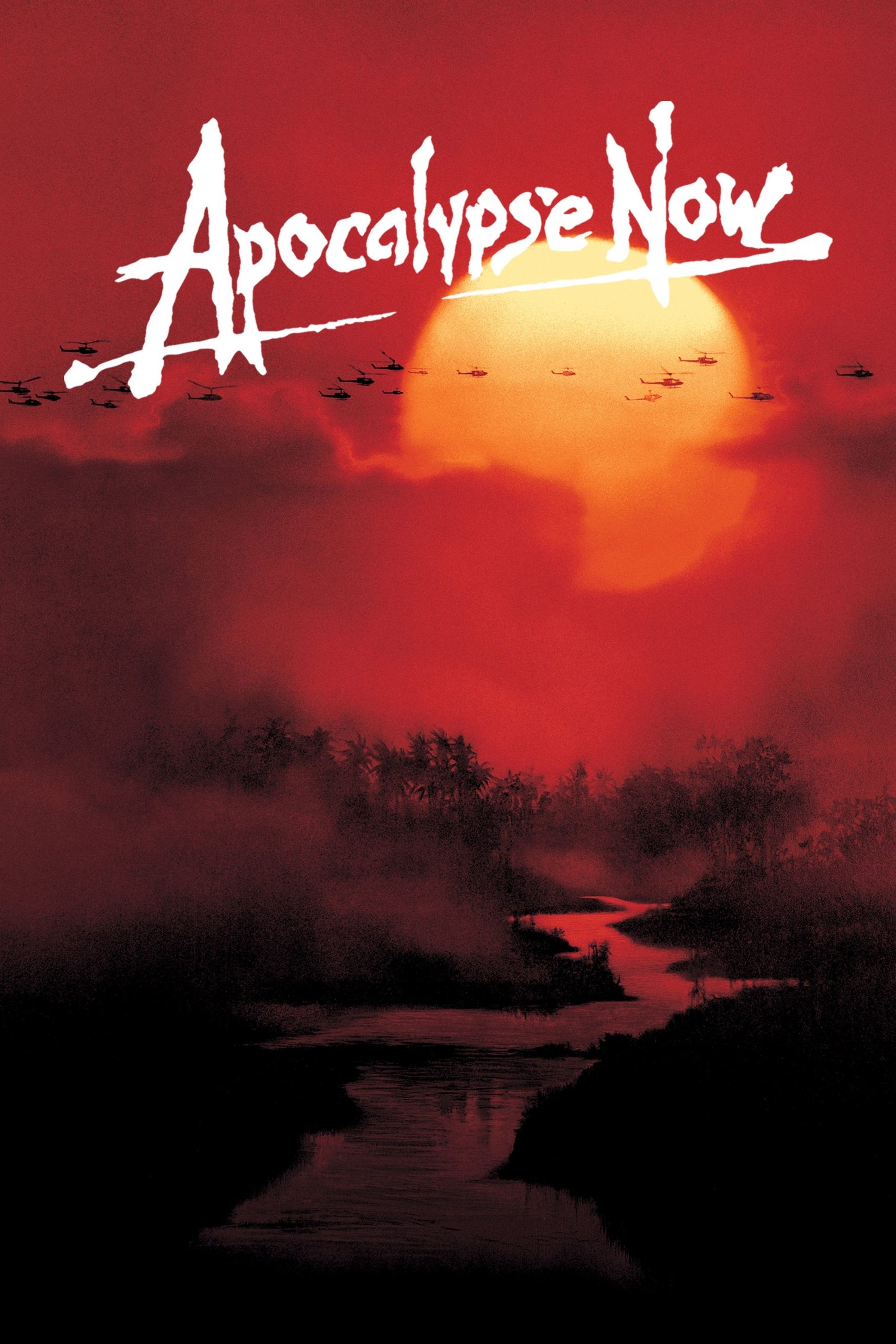
From a craft perspective, I keep noticing how adventurous the camerawork feels, even when compared to recent films. The use of color, shadow, and inventive cinematography still stands out to me, especially considering how much digital polish flattens many modern movies. There’s a willingness here to let images linger, blur, and decay, giving the film this dreamlike feeling that a lot of new releases try—and often fail—to replicate through visual effects. Honestly, I think this film is at its best when it just lets me marinate in discomfort or spectacle rather than racing toward plot points. For all the chaotic reputation it has, much of its staying power comes from these long, hypnotic, painterly scenes that seem designed to stay with viewers long after the credits roll.
The soundtrack, with its blend of rock anthems and haunting soundscapes, also manages to feel surprisingly modern to me. It refuses to recede into the background—instead, the music often confronts or clashes with what’s happening onscreen, echoing the dissonance at the film’s core. With so many movies today using music as mere emotional shorthand (soft piano for sadness, swelling strings for hope), it’s refreshing to be thrown off-balance by a soundtrack that serves the mood rather than the plot beats. I find this abrasive, sometimes jarring approach to scoring makes the film’s emotional texture richer for modern ears.
What Feels Dated or Challenging Today
My patience gets tested quickly in certain stretches of Apocalypse Now. As someone accustomed to the brisk pacing and narrative efficiency of current film and television, I find the movie’s digressive structure and willingness to let scenes meander can feel almost punishing. It leans into a slow-burn approach that asks for more attention—and frankly, more tolerance for confusion—than many of today’s viewers might expect. On a rewatch, I’m conscious that certain lengthy segments, particularly those involving philosophical or metaphorical exchanges, often test my goodwill. In a world where endless streaming options make it easy to click away, I can see why bouts of restlessness or frustration arise for those watching now.
Representation is another facet that makes me uneasy. From a contemporary vantage point, I notice how marginal most of the Vietnamese characters are within the film, reduced to background figures or occasional plot devices. Today, audiences are much more attuned to questions of authenticity, agency, and voice, especially in stories rooted in real-world conflicts. The lack of meaningful local perspective is jarring for me as a modern viewer, especially after years of hearing diverse war narratives and the push for complex representation. It feels clear to me that by present-day standards, the film falls short in offering a nuanced vision—and I suspect a first-time viewer would pick up on this dissonance immediately.
Violence is another tricky domain. Even though the explicit content is less extreme than in some contemporary releases, there’s a rawness and unfiltered cruelty here that might be more disturbing because it’s not stylized or cushioned by irony. I sometimes question whether the violence, along with scenes portraying psychological breakdowns, would be interpreted as exploitative today. Modern audiences—myself included—are increasingly sensitive to depictions of trauma and suffering, both for the sake of the characters and the actors involved. Knowing some of the harsh realities behind the scenes can make certain sequences uncomfortable, and not always in a productive way.
Another challenge arises in the portrayal of gender. The film, viewed now, wears its predominantly male focus plainly on its sleeve. Female characters, when they appear, are largely decorative or symbolic, and I find the lack of meaningful roles for women particularly glaring from a modern vantage. In 2024, with ongoing debates about gender equity and complex representation onscreen, it’s hard not to feel like something vital is missing. If I were recommending this film to friends today, I’d likely warn them that these glaring imbalances might pull them out of the experience or leave them with a sense of frustration.
Finally, I’m struck by how the film’s ambiguous storytelling can turn from virtue to liability in the streaming era. Audiences familiar with tightly-plotted, binge-worthy content may find themselves stranded by the opaque inner logic and abrupt tonal shifts. While I appreciate ambiguity in theory, in practice it risks alienating viewers not already invested in its world or its self-consciously “epic” ambition.
How Modern Audiences Are Likely to Experience This Film
When I talk with friends or read contemporary reactions, I notice modern viewers split along several lines. For those inclined toward cinematic experimentation or who already watch slow-burn “auteur” fare, Apocalypse Now can still feel urgent and impressive. I see people in this camp up for a challenge, willing to have their attention, patience, and emotional stamina tested. They might walk away exhilarated, seeing parallels with current social unease and admiring the film’s commitment to discomfort and spectacle.
But for viewers raised on rapid pacing, ironclad narrative logic, and tidy resolutions, the film poses obstacles. I’ve witnessed many people, including myself on certain days, lose patience partway through or feel dazed by the film’s refusal to explain itself. The average attention span, shaped by the jump-cut logic of contemporary content, collides here with an unapologetically meandering style. I’ve even noticed that some newcomers compare it—unfavorably or otherwise—to modern works like True Detective or Midsommar for its hypnotic length and psychological focus, but find themselves tripped up by the lack of clear character development or agency.
Emotional tolerance is another major filter. Today’s viewers crave sensitivity toward mental health and trauma; watching Sheen’s and Brando’s characters unravel, I find myself both absorbed and repelled. If you’re looking for catharsis or moral clarity, the experience can feel deeply unsettling. The film’s bleak mood, for all its artistry, is not always an easy sell for those seeking either escapist entertainment or clear anti-war sentiment.
Context really matters too. If I come to the film with only vague expectations and little experience with older works, the dated representations and gender dynamics hit harder. But if I approach it as part of a broader film conversation—aware of its legacy and intent to provoke—I’m more likely to accept its messier, less accessible tendencies. For viewers curious to challenge themselves, or those interested in why certain cultural touchstones endure despite their flaws, this film has something to offer. Yet at the same time, for viewers focused on inclusivity and emotional safety, I find it might be more often a source of frustration or even alienation.
Technical quality can also be jarring on modern screens. While the visuals can still dazzle, they don’t always carry the high-definition polish some expect from prestige streaming titles. Grain, darkness, and murky staging tug away at viewers used to the visual clarity of current releases, particularly when seen on phones or smaller home screens. There’s a risk that the film’s aesthetic choices register more as dated than as immersive, purely due to how most people actually watch movies today.
Final Verdict: Is It Still Worth Watching?
After wrestling with both my enthusiasm and my reservations, I feel confident saying Apocalypse Now is still worth watching today—but with a lot of caveats. It isn’t a movie I’d recommend casually, nor would I point someone toward it as a fun introduction to classic cinema. Rather, I think it best serves viewers actively seeking to interrogate what ambitious filmmaking can still achieve, even when it bumps up against present-day standards and sensitivities. If you’re patient, open to discomfort, and interested in cinematic craft for its own sake, many moments here remain electrifying and deeply memorable.
For viewers wanting clearly articulated social values or fresh perspectives on representation, the film is likely to frustrate or even anger. I’d urge anyone coming from that standpoint to view it critically, perhaps as a conversation starter rather than an unqualified masterpiece. The rewards here are real, but they come tangled in questions and compromises that are hard to ignore in a contemporary context.
Ultimately, for me, its value lies in sparking dialogue—about the limits of cinematic ambition, about whose stories get centered, and about the ways even legendary works must reckon with evolving values. In other words, it’s worth watching today not because it’s flawless or perfectly relevant, but because it prompts the kind of reflection and debate I still rarely find in modern film experiences. Choose it for the challenge, not for comfort—and perhaps for a glimpse of what cinema can dare you to confront, decades after its first impact.
For viewers curious about authenticity, exploring the film’s factual basis may be useful.