
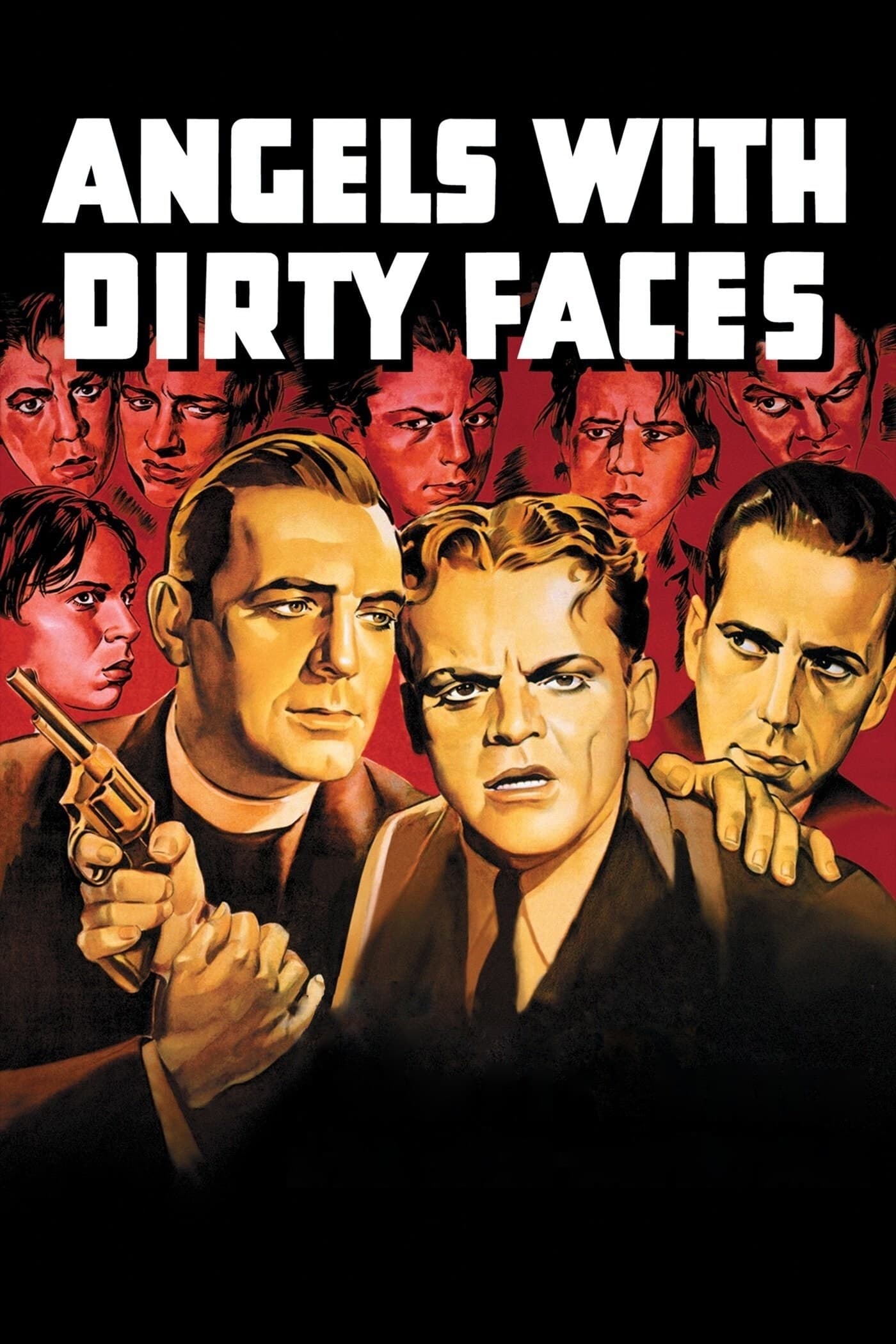
Does This Film Still Hold Up Today?
Two hours into Angels with Dirty Faces, I found myself weighing my genuine interest against an expanding sense of distance. While I went in curious if a lauded crime drama could sweep me up, I quickly realized this isn’t a film that translates easily to modern tastes. My experience veered between admiration for the sheer commitment on display and frustration with how arch and remote it often feels. If you want your movies gritty, nimble, and emotionally raw, you’ll probably tap out long before the credits roll. Still, I’d give it a conditional recommendation: watch it if you’re drawn to either classic star power or want a very distilled example of old-school Hollywood drama, but don’t expect lasting impact unless you’re able to adjust your expectations. In all honesty, this is a movie that asks patience and acceptance from contemporary viewers—my own enjoyment hinged on relishing its outdated style as a kind of retro aesthetic, rather than getting absorbed by its characters or story.
Pacing, Acting, and Storytelling by Today’s Standards
About half an hour in, I found the storytelling both refreshing in its directness and occasionally tedious in its approach. The plot flies by in broad strokes, so I never felt bogged down by side stories or excessive subplots. That said, the tempo of individual scenes is painfully slow by contemporary standards—at times, it felt like just getting through one emotional beat took an eternity of meaningful stares and stylized exclamations. The dialogue is relentless: everyone delivers their lines with a theatrical urgency that is more reminiscent of a stage play than any crime film made in the last fifty years. Sometimes, I caught myself smiling at how self-serious everything seemed; the acting is as much about posture and presence as it is about expressing emotion. This results in a kind of heightened, almost artificial reality that I struggled to take seriously.
Despite my issues with the delivery, I did get a kick out of the lead performances. James Cagney, in particular, is all muscle and bravado—utterly magnetic even when I found the script too rigid. If there’s one thing that still works, it’s the force of personality. That said, the supporting performances (especially from the group of wayward kids) came off as broad caricatures, pulling me out of whatever emotional state the movie was aiming for. The heavy emphasis on exposition also slowed down the emotional rhythm; rather than being pulled along organically, I constantly felt like the film was telling me what to feel and think. It chased its narrative points with so much speechifying that subtlety was basically absent. For me, this direct approach rarely built suspense or realism—it made each plot turn feel telegraphed from a mile off.
Looking through the lens of what I crave in a modern film experience—sharp momentum, naturalistic conversations, immersion in the world—I came away feeling that Angels with Dirty Faces is much more an artifact than a living, breathing story. I had to meet it halfway, and even then, some stretches demanded real discipline.
What Feels Timeless — and What Feels Dated
- Timeless elements: I found James Cagney’s charisma impossible to ignore; he ruthlessly commands the screen, and his sly energy cuts through even the most dated dialogue. Some of the movie’s images—dark corridors, knife-edged shadows, the tight compositions in moments of danger—have a staying power that I could imagine in a modern neo-noir. There’s also a satisfying, clean sense of conflict, where stakes are always clear and the morality is sharply drawn. The final five minutes, in particular, held me all the way; there’s a rawness and simplicity to the big emotional climax that still packs a punch if you’ve stuck it out this long.
- Dated elements: I don’t think I’ve ever seen a movie where the pacing and delivery felt so locked in a separate era. The slang-heavy dialogue and over-emphasized moralizing come across as quaint at best, forced at worst. The performances from the young cast—I have to be honest here—just don’t land. The ‘Dead End Kids’ are cartoonish, mugging for the camera with wild, over-the-top reactions that break any sense of immersion. The story’s entire approach to crime and punishment feels cartoonishly simple compared to how I’ve come to expect complexity from this genre. I also couldn’t overlook the lack of layered female characters; the women in this movie are almost invisible, or else serve as plot devices for the men’s journey. Even the music (relentlessly melodramatic) barked at the audience to feel a certain way, leaving no room for subtlety.
Strengths and Weaknesses for Modern Audiences
Reflecting on my own viewing habits and preferences, Angels with Dirty Faces is a litmus test for how much patience you have for old-fashioned melodrama. The greatest strength, for me, is how distilled it feels—there’s not much fat on the story, and when Cagney or Pat O’Brien are in the frame, there’s a genuine sense of energy. The movie is also mercifully short compared to many modern epics, which makes its slow pacing more palatable; I never felt fully bored, just a bit held at arm’s length. Emotionally, it made me nostalgic for a time I never lived through, which is a strange kind of charm—but if you demand sincere connection rather than reverent distance, you might end up feeling dissatisfied.
The weaknesses pile up for anyone who isn’t already partial to the style. I had trouble investing in the characters, partly because their struggles are presented with so much obviousness that any unpredictability is lost. The dialogue made me wince at points, especially when modern sensibilities toward realism and subtlety are so finely tuned; I got the sense the filmmakers were intent on spelling out their morality lesson, rather than trusting the audience to put things together. There’s an alienating gap created by the heavy-handed music cues and rigid, proscenium-style direction. I don’t typically mind black-and-white cinematography, but the stiffness of both the framing and the constant narration left me wishing for some visual or emotional surprise to jolt me awake. Attention spans matter—mine started drifting; the film never really pulled me into its world.
Accessibility is another issue. The language and slang might frankly confuse younger viewers, and while the subject matter is straightforward, the presentation assumes you already appreciate this “type” of movie. For anyone who didn’t grow up on black-and-white, dialogue-heavy crime dramas, the experience risks feeling like a homework assignment. Yet for those who are willing to adopt an ironic or nostalgic viewing stance, there can be real pleasure in simply settling into its old-Hollywood textures. For me, the biggest strength ends up being its status as a curiosity and a time capsule—a vivid document of a style that no longer exists, rather than a story that breathes with present-day urgency.
Who Should Watch This Film Today?
If you sometimes seek out a movie just to sample a classic star’s screen presence, I think you’ll find Cagney magnetic enough to justify the experience. The film might suit you if you have a genuine affection for period dialogue, or if you’re embarking on a personal tour through cinematic history—either as background study or a way to soak up vintage genre “vibes.” If you enjoy stylized, heightened acting, and derive pleasure from seeing the roots of later gangster archetypes, this movie could spark joy as a kind of genre fossil. In my case, I liked it best when I watched with a certain detached, campy pleasure—treating it less as a contemporary drama and more as an example of grand, declarative storytelling from a bygone era.
But if you’re craving narrative complexity, believable motivations, or emotional depth, I’d warn you to manage your expectations. I can’t recommend it to anyone who’s easily bored or frustrated by melodrama, or who needs to see themselves reflected in subtler, more contemporary performances. If you want your gangster movies to thrill, provoke thought, or make you feel genuine suspense, this isn’t likely to deliver. For those who go in with patience and perhaps a touch of irony, Angels with Dirty Faces is worth a look, but for everyone else, it’s a relic whose greatest rewards lie in admiring its old-school energy from a safe, emotional distance.
If you’re still deciding, you may also want to know how this film was originally received.