
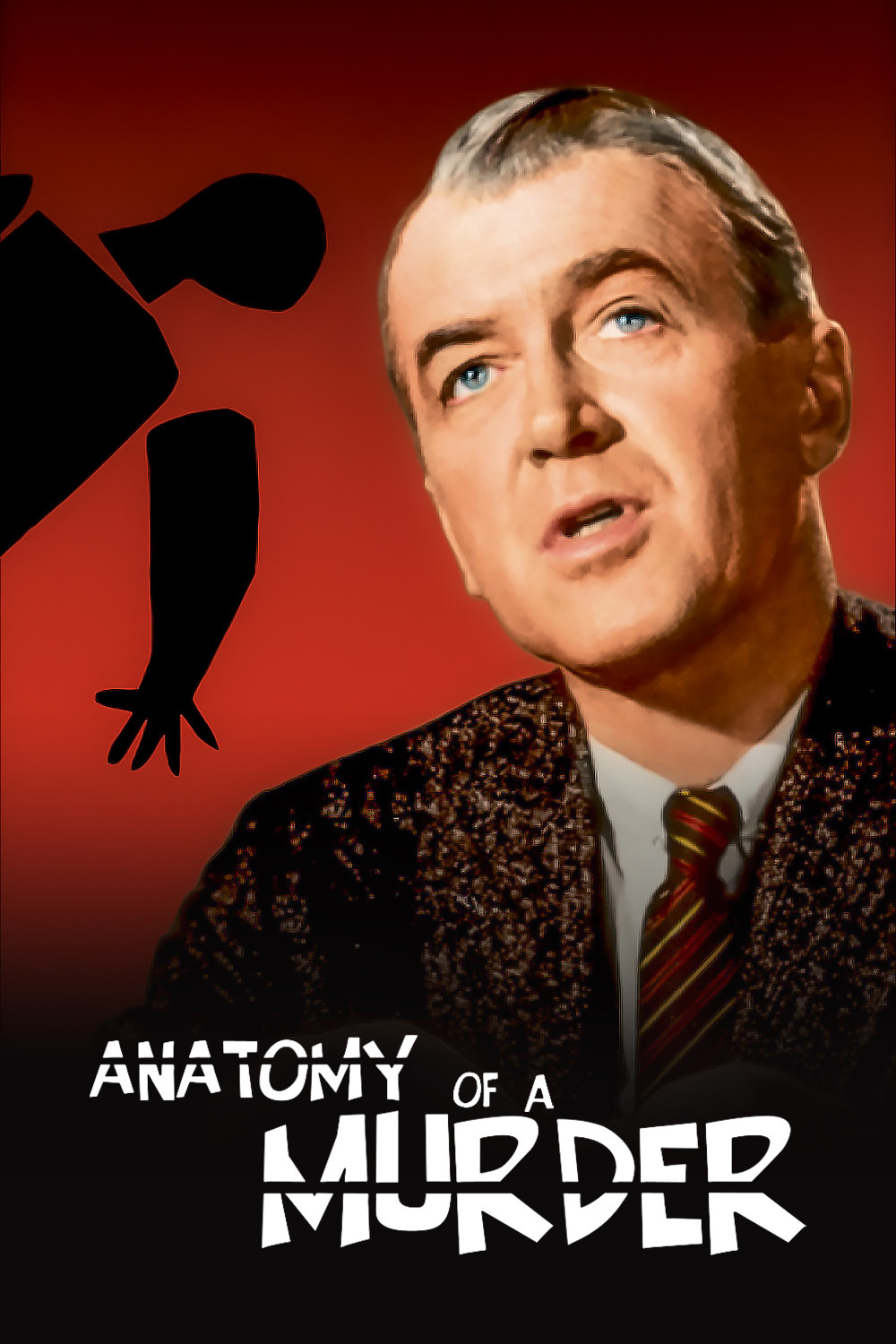
Does This Film Still Hold Up Today?
Watching “Anatomy of a Murder” as someone used to modern streaming menus and short episode binges gave me a strange sense of time-travel. Questions immediately filled my head: Could I lose myself in a court case built before the era of streaming thrillers and twisty lawyer shows? For me, the answer is yes—but with a substantial caveat. I think “Anatomy of a Murder” can be a genuinely absorbing experience if you have some patience and curiosity for what courtroom drama used to mean. I don’t recommend it universally. Instead, I conditionally recommend it, especially for those who appreciate deliberate storytelling and are willing to settle in for a movie that asks for more attention and less distraction than a two-hour popcorn blockbuster. Anyone expecting machine-gun editing, stylized bravado, or breakneck pace might find themselves checking their phone more often than the film would like.
Pacing, Acting, and Storytelling by Today’s Standards
My first reaction to the film’s pacing was surprise at how much oxygen the script gives each scene. “Anatomy of a Murder” takes its time—in a way that can feel refreshing or grinding, depending on my mindset when I press play. The opening hour especially moves unhurriedly, as if it expects me to settle in and pay attention, not just dip in and out. I had to realign my own tempo; no quick fixes, just slow unveiling. If I’m used to the current standards—where even supposedly “slow-burn” dramas have a punch every few minutes—this approach can sometimes feel like swimming upstream.
The performances in the film, led by James Stewart, have a natural, almost conversational style that surprised me. I found a dry, offhand humor here that didn’t feel forced, which helped keep me engaged through the slower stretches. But the mannered way the actors speak—pausing, enunciating, sometimes stretching out even a simple back-and-forth—makes it clear this was made before today’s snap-crackle dialogue. Compared to the tightly packed screenplays I’m used to, I was aware of the space between lines and even within lines. This spacing sometimes creates a tension and authenticity that still rings true, but at other moments, I found myself longing for a sharper edit.
The narrative momentum really picks up with the start of the courtroom sequences. This is where I realized the film’s strategy: it wants to immerse me in every shade of gray surrounding justice, not to race toward verdicts or twists. The pace slows down to let accusations, motives, and personalities simmer. If you’re in the mood for something that unfolds more like a patient chess match than a race, “Anatomy of a Murder” might be what you’re after. But if you’re expecting the whiplash storytelling so common in modern legal dramas, you might be disappointed or even frustrated by how long it takes the story and characters to show their cards.
What Feels Timeless — and What Feels Dated
- Timeless elements: I found that the ambiguity at the heart of the story—the way the film refuses to hand me easy answers—feels surprisingly modern. The cross-examinations and verbal sparring have an electric tension that still carries weight, and the performances, particularly by Stewart, seem to anticipate some of today’s more naturalistic acting styles. The script’s dark humor and blunt approach to messy subjects feel honest, which I think gives it an edge I wasn’t expecting for a film from this period. I also appreciated the absence of melodramatic music cues guiding my emotions—something that can age older movies quickly but which “Anatomy of a Murder” wisely avoids for most of its runtime.
- Dated elements: Where the film most lost me—and where I think it would lose most contemporary viewers—was in its treatment of gender and consent. The handling of Laura Manion’s character, a victim of assault, is filtered entirely through the perceptions of the male characters. The questioning gets deeply uncomfortable in ways that feel both of their era and, honestly, hard to watch now. The male gaze and courtroom grilling of a woman’s credibility is presented as matter-of-fact, with a clinical, sometimes dismissive attitude that left me wincing. Dialogue that’s meant to sizzle occasionally drags, and the style of its score, while famous, tends to impose when I’d rather just absorb the tension. There’s also a technical clunkiness—unedited long takes, static framing—that occasionally made me wish for more visual dynamism.
Strengths and Weaknesses for Modern Audiences
What makes “Anatomy of a Murder” both notable and divisive for me is how much the film demands my full attention and asks that I bring patience—qualities less common in today’s rapid-fire entertainment landscape. One of its greatest strengths is the willingness to linger on sticky, complicated moments without rushing to resolution. There are stretches of cross-examination where I forgot I was watching a film from the 1950s; instead, I felt like I was right there, trying to parse motives and dissect truth from performance. If you thrive on dialogue and appreciate careful character building, this might be a gold mine.
That said, the movie asks a lot from me as a viewer—too much, I think, for anyone who prefers a brisk tempo or high-octane plotting. The opening hour, in particular, can test endurance. There are subplots and conversations that feel like stalling; I caught myself impatiently checking the time once or twice. The sense that every minute is precious—a hallmark of modern films—isn’t present here. Sometimes, that relaxed attitude feels luxurious. Other times, it feels indulgent, bordering on tedious.
I also struggled with the gender dynamics, especially seeing women’s narratives handled so bloodlessly on screen. The film’s approach to the female lead, as a character to be doubted and dissected while barely allowed her own voice, really stuck out as alienating for contemporary sensibilities. If you’re especially sensitive to this kind of treatment, it can cast a shadow over the film’s more compelling elements.
Emotionally, I found myself invested in the moral ambiguity at the film’s core. There’s a sharp intelligence to how it keeps motivations murky and verdicts provisional. Emotionally, however, the characters can sometimes remain at arm’s length, perhaps more so than intended. I couldn’t help wishing for a deeper dive into their private emotions and fears, instead of keeping everything so procedural and verbal.
Accessibility is another mixed bag. The long runtime (over 2.5 hours) demanded that I carve out space for the full experience; this isn’t one to half-watch or casually play in the background. Visually, the film’s black-and-white palette lends a nostalgic, almost documentary-like realism, but it can also feel stark and draining—especially if you expect richer, more dynamic cinematography. I sometimes missed the visual inventiveness of newer films, but appreciated the deliberate, unhurried camera that lets every line land without distraction.
Who Should Watch This Film Today?
I’d say that “Anatomy of a Murder” isn’t for everyone, and that’s okay. I wouldn’t turn to it if I were itching for a Friday night crowd-pleaser or something easily digestible. It’s better suited to people who enjoy wrestling with moral questions, who appreciate unfolding tension and measured storytelling over spectacle. If you find pleasure in verbal duels and minute shifts in character dynamic, or if you’re the kind of person who appreciates classic noir or literary mysteries, I think you could absolutely find value here.
The movie will probably frustrate anyone hoping for quick answers or plain justice. If you’re turned off by dated attitudes toward gender or if you’re sensitive to courtroom scenes that focus more on grilling the victim than pursuing the truth, this isn’t likely to provide a comfortable watching experience. By the same token, students of film history or legal drama might find the movie’s procedural authenticity and genre-defining structure satisfyingly rich, as long as they go in prepared for the slower pace and cultural dissonance.
Personally, I’m glad I watched it—but I would only recommend it to others with the right frame of mind. It’s not an easy ride or a background diversion. Instead, it’s an investment that can yield real engagement and discussion, but only if you’re open to slowing down and meeting the movie on its own deliberate terms. If you embrace its tempo and its rougher edges, you might see a side of courtroom drama that’s still sharp and unsettling six decades later. If you can’t, there’s no shame in pressing play on something more aligned with contemporary tastes—after all, there’s never been a wider menu of legal thrillers at our fingertips.
If you’re still deciding, you may also want to know how this film was originally received.