
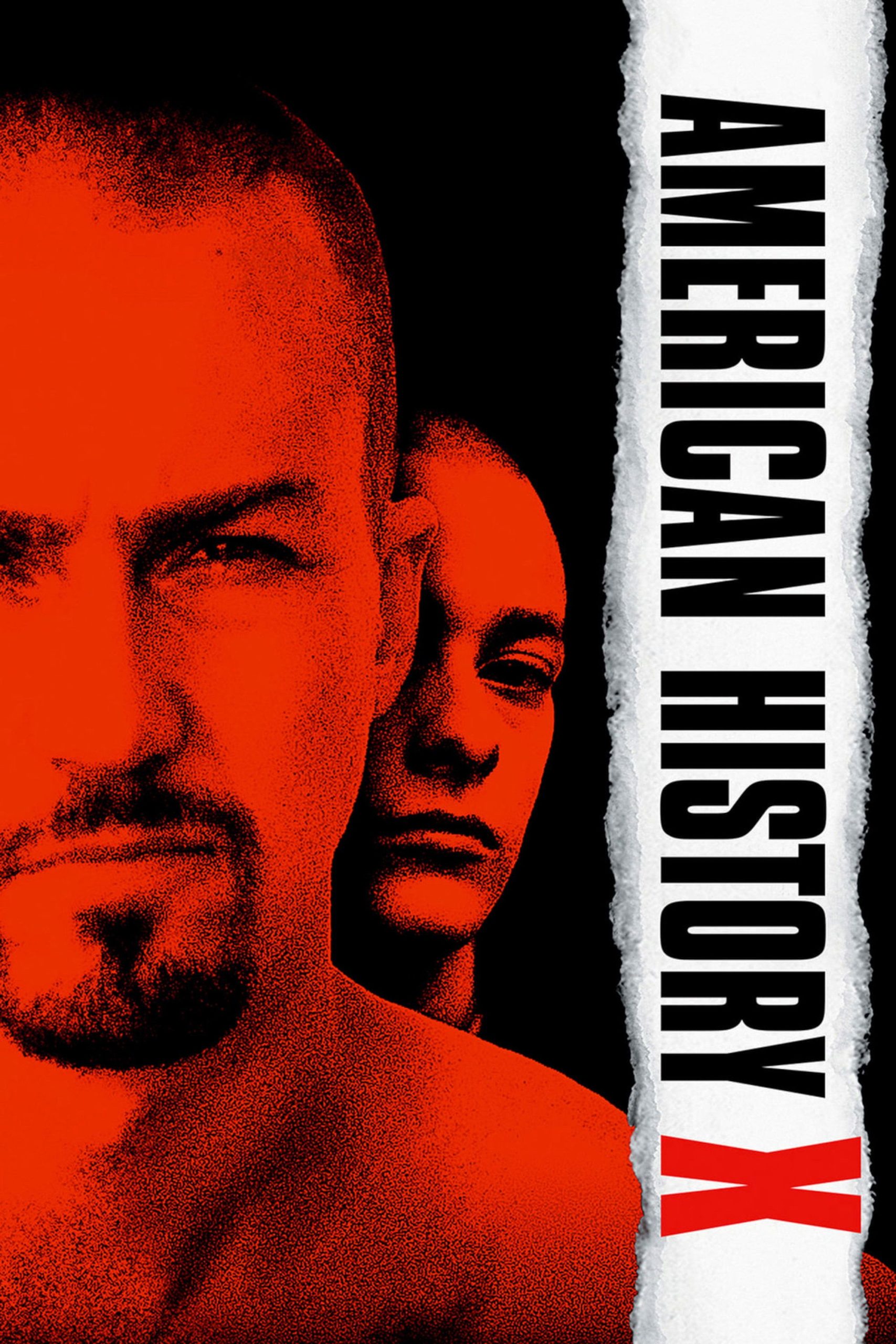
Why This Film Is Revisited Today
Whenever I scroll through streaming platforms or participate in contemporary discussions about films that have left a divisive impact, I notice American History X resurfacing time and again. It’s not nostalgia pulling me back, but rather the film’s reputation as an uncompromising look at modern American extremism—a reputation that still resonates, especially when I see so many new debates about hate, ideology, and redemption cropping up on social media. The ongoing relevance of these themes seems to make people, including myself, return to the title with a combination of curiosity and caution. I sense that the culture hasn’t really outgrown the issues that this film confronts, and this persistent relevance keeps it in frequent circulation among streaming libraries, classroom debates, and even meme culture, which manages to simultaneously trivialize and spotlight older movies in unpredictable ways.
There’s also an almost mythic status attached to the performances—the kind that newer audiences want to see for themselves, even if they’ve only glimpsed screenshots or heard soundbites out of context. The strong word-of-mouth and the intensity of the conversations it sparks seem to ensure that it remains on watchlists, especially for viewers like me who want to understand why certain works continue to provoke controversy decades after their release. That controversy itself, whether fueled by the film’s handling of bigotry, violence, or attempts at redemption, basically guarantees repeated reevaluation by every new wave of viewers—especially those intent on sifting fact from fiction in the face of internet debates.
Streaming algorithms play their part, too. I find it telling that this film regularly appears on top ten “hard-hitting dramas” or “films that changed cinema” lists on various platforms. Even if some approach it out of academic interest or curiosity about its place in cinema history, many seem compelled by the film’s reputation for confronting taboos, or by the promise of discussing a film labeled as “essential” for understanding American social tensions. It’s that intersection—between cultural curiosity and strong reputation—that keeps me, and I suspect a sizable portion of today’s audience, coming back regardless of whether we’re looking to be shocked, educated, or simply engaged.
What Still Works for Modern Viewers
Right away, I’m struck by how much the lead performances in American History X hold up, even with today’s raised expectations around emotional authenticity. Edward Norton’s transformation isn’t just frequently cited—it’s genuinely compelling when viewed through a contemporary lens, because his commitment never veers into melodrama. The raw urgency he brings to each scene still resonates with me, making his character’s struggle feel immediate rather than locked in a late-‘90s time capsule. I find that the supporting cast, particularly in smaller, intense exchanges, create a real sense of volatility that stands up next to far more recent prestige dramas. This isn’t the sort of film I can breeze through on my phone while multitasking; the focused, almost relentless energy of certain pivotal scenes continues to demand my full attention.
The direct confrontation with uncomfortable subject matter is another element that feels unusually bold, even now. I realize that in the current climate of “trigger warnings” and content sensitivity, it’s rare to find a mainstream American film willing to depict hatred in such stark, unblinking terms. There’s a harshness in both the visuals and the confrontations that avoids the generic, sanitized approach of many modern screenplays. I often catch myself thinking how few films today would risk going as far as this one does in its depiction of violence and its consequences—something that’s less about shock value and more about pushing the viewer into a space of discomfort where reflection is necessary.
From a technical standpoint, the film’s mixed use of black-and-white and color cinematography still impresses me, even after so much innovation in the two decades since its release. The stylistic choices don’t feel dated or artsy for art’s sake; instead, they reinforce mood and psychological perspective, which helps these transitions retain their power. This craftsmanship translates into a narrative rhythm that, to my eyes, is still gripping—sometimes uncomfortably so. The dialogue, too, can feel refreshingly direct, unafraid of awkward silence or raw emotion, which prevents it from sounding over-scripted or too tailored for meme-worthy one-liners.
Finally, I often appreciate that the emotional impact remains fierce and sometimes genuinely unsettling. This isn’t a film that fades from memory after the credits roll, and I notice how current viewers continue to debate not only the characters’ choices but also the moral responsibility of the story itself. That lingering discomfort and complicated empathy mark the film as persistently relevant, especially in an era where most dramas aim for either easy catharsis or clear-cut villains and heroes. For me, returning to American History X is like being reminded that some films—regardless of their age—retain the power to leave deep marks, precisely because they offer no safe place to stand.
What Feels Dated or Challenging Today
Yet, even as I recognize those strengths, I can’t ignore how certain aspects now seem rickety against the backdrop of 21st-century filmmaking. The pacing, for one, is unquestionably slower and more deliberate than what I’m used to from modern dramas, especially those tailored to audiences who devour shows in six or eight-episode bites. Scenes often linger longer than necessary, occasionally veering into territory that feels more like an actor’s showcase than a tightly woven narrative. I found my attention wandering at times, not due to lack of stakes, but because the film is structured more around heavy set-pieces than a consistently engaging flow—a stylization that may test anyone raised on the brisk, punchy editing of today’s streaming content.
There’s also a bluntness in both the themes and the performances that sometimes tips toward the simplistic by my standards as a modern viewer. In particular, portrayals of hate groups and their rhetoric can occasionally read as too direct—almost didactic—rather than textured or ambiguous. I find myself comparing this with more recent films that explore similar themes with greater subtlety or from more diverse perspectives. The perspectives of secondary characters—especially women and people of color—are often rendered peripheral, which feels increasingly out of step with present-day calls for narrative equity. Some of the dramatic reversals and epiphanies, which may have felt forceful or original at release, now seem contrived or underdeveloped, as if the film is intent on driving home its messaging rather than trusting viewers to come to their own conclusions.
Beyond narrative choices, certain aesthetic elements, like the film’s heavy reliance on slow-motion and overly symbolic visuals, strike me as remnants of late-‘90s style rather than timeless storytelling. Where newer works tend to integrate such techniques with greater subtlety, here they sometimes derail my immersion by making the dramatic intent feel too obvious. The musical score, too, is used in a way that feels heavy-handed compared to the more nuanced or minimalist approaches favored in current prestige dramas. This can distract me from moments that should land more softly, underscoring emotions rather than letting them emerge organically.
Perhaps most challenging, in the current age of content warnings and social media awareness, are the film’s unfiltered moments of violence and explicit hate speech. While I understand their dramatic necessity, I can see how these scenes may alienate or distress contemporary viewers seeking nuance or a less traumatic viewing experience. The film’s strategies for grappling with remorse and accountability also lack the multi-faceted, intersectional lens I now expect from stories about social issues. In that sense, I sometimes perceive the film as a product of its time—an important artifact, yes, but not always a comfortable or instructive fit for today’s broader, more critical conversations about representation and trauma.
How Modern Audiences Are Likely to Experience This Film
If you’re anything like me, approaching American History X today might inspire conflicting feelings—part anticipation, part wariness. For viewers accustomed to the rapid pacing and intricate character work typical of modern streaming dramas, the film’s structure and focus on a relatively tight core of characters may feel almost claustrophobic. Patience is required, as the plotting unfolds with deliberate slowness, lingering on moments of transformation rather than racing toward a resolution. For younger audiences raised on social media and story formats that favor immediacy, I suspect the film’s rhythm might feel alien and potentially frustrating. On the other hand, if you value immersive performances and are willing to engage with uncomfortable, intentionally abrasive material, the central confrontations can be deeply absorbing. I find that mature audiences or viewers with an interest in difficult subject matter often emerge most engaged—though perhaps also more disturbed—by the experience.
I do think sensitivity to graphic content is an important factor today. Contemporary audiences seeking thoughtful explorations of difficult topics may still be rewarded, but the film’s overt depiction of racism, violence, and slurs comes without the kind of content notes or framing one might now expect from newer releases. This puts a heavier onus on the viewer to be emotionally prepared; I personally wouldn’t recommend it as a casual evening’s entertainment. For viewers interested in the ways cinema grapples with redemption, justice, or the limits of personal change, it still stimulates layered, sometimes uncomfortable reflection—though not always with the sophisticated perspective or intersectional sensitivity that many people now prioritize.
Additionally, I’ve noticed that younger audiences often compare American History X to more recent films and television shows that explore similar territory, such as Skin, BlacKkKlansman, or even certain true crime docu-series. Against those, the film’s earnestness can be a double-edged sword: some find it refreshing, others heavy-handed. For discussion groups, classrooms, or anyone wanting to challenge their own thinking about racial violence and ideological extremism, it provides a potent—if sometimes blunt—catalyst for debate. But as a standalone viewing experience in 2024, I suspect that some viewers may finish the film feeling that its impact registered more as provocation than enlightenment, especially if judged solely by contemporary standards of nuance and representation.
Ultimately, my experience watching American History X in today’s context is shaped less by technical flaws than by shifting cultural attitudes. The open-endedness of its conclusions, which seemed daring at the time, may evoke as much frustration as admiration now. Those hoping for complex antagonists and diverse voices will find the focus too narrow, yet others may appreciate its refusal to offer easy catharsis. If you approach it prepared for these tensions—as I try to—you may find the film stimulates more post-viewing discussion than most recent offerings, even if its method of provocation feels as aggravating as it is impactful.
Final Verdict: Is It Still Worth Watching?
Having sat with my thoughts, I genuinely believe that American History X is still worth watching for select audiences—but not unreservedly, nor for all the reasons that first propelled it to cult status. It remains a powerful showcase for committed performances and has moments that can cut through layers of cynicism or media fatigue. If you seek a film that confronts bigotry and transformation in ways that still feel raw and uncompromising, there is much to engage with here. However, I can’t ignore its limitations in pacing, perspective, and emotional subtlety. For viewers conditioned by more recent explorations of similar themes, especially those demanding greater representational complexity or narrative finesse, the film may frustrate or even alienate.
Personally, I regard American History X as a valuable touchstone—a piece I return to when I want to test my own responses to challenging material. I wouldn’t recommend it for viewers hoping for a modern, nuanced mosaic of social issues, nor for anyone particularly sensitive to depictions of violence or trauma. Yet for those willing to approach it thoughtfully, with an awareness of its time-bound limitations and strengths, it still delivers an experience that’s hard to dismiss or forget. It’s less an easy recommendation and more an invitation to reflect and debate. If that’s what you’re after—and you’re ready for some discomfort—I think this film retains a troubled but significant place in the contemporary viewing landscape.
For viewers curious about authenticity, exploring the film’s factual basis may be useful.