
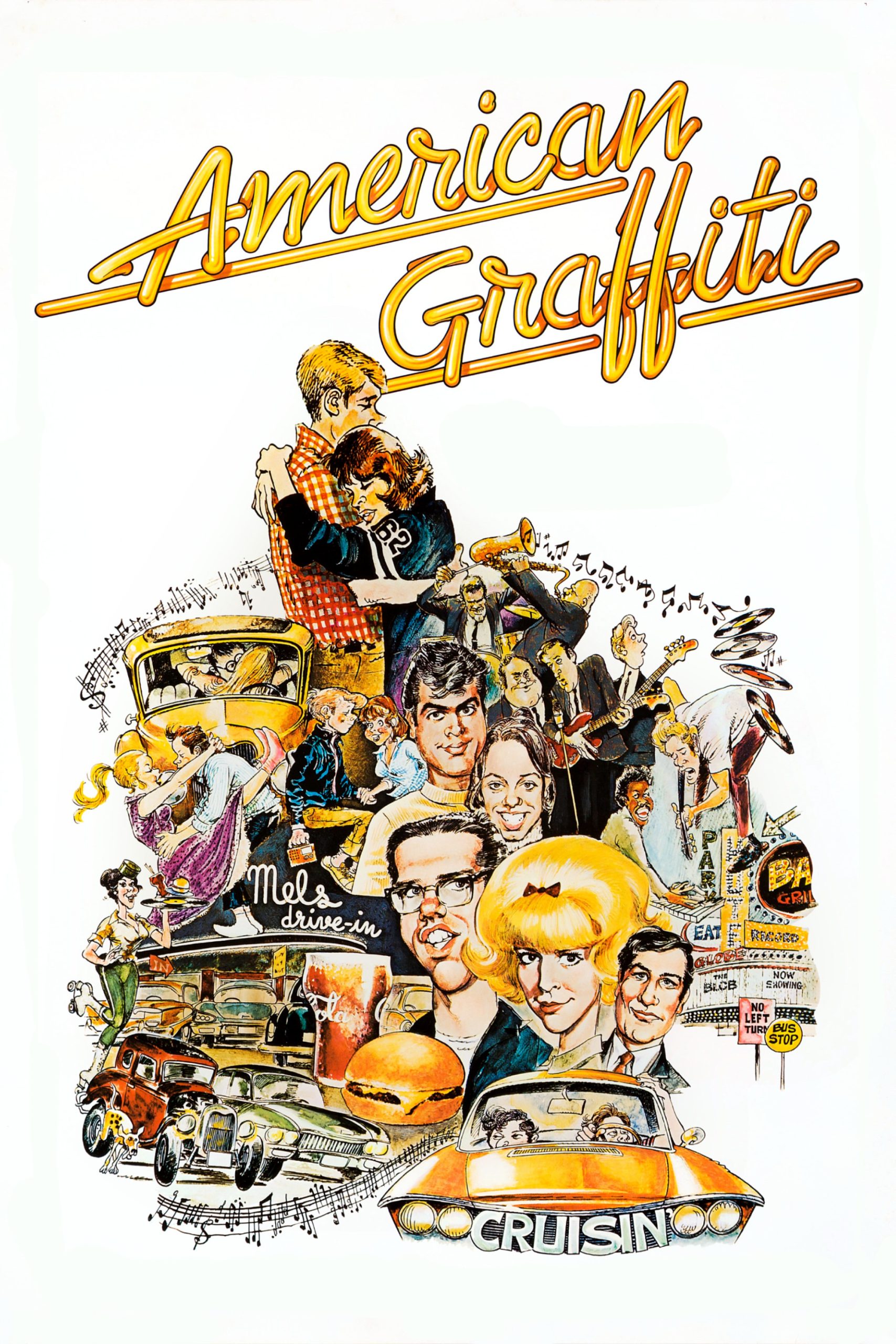
Does This Film Still Hold Up Today?
When I revisited “American Graffiti,” I felt conflicted. There were flashes of nostalgia and technical polish, but much of the film felt like a product of its time—sometimes charming, sometimes painfully slow. For today’s audience, I would conditionally recommend “American Graffiti”: I think it offers an authentic window into a slice of 1962 Americana, but it demands patience and a taste for meandering ensemble stories. If you want a fast-moving plot, tight emotional arcs, or constant laughs, you may find yourself checking your phone. Yet if you value atmosphere and appreciate movies that let you coast through a specific time and place, there’s enjoyment to be found. This isn’t a universal must-see for 2024 audiences, but for the right viewers, it can be worth the ride.
Pacing, Acting, and Storytelling by Today’s Standards
I’ll be honest: the pacing of “American Graffiti” can feel glacial if you’re expecting contemporary energy. The first thing that struck me was how many scenes are content to linger—the camera drifts through parking lots and diners, watching teenagers banter or simply hang out. If I compare this to how quickly most modern films snap into motion, this movie feels almost meditative in its willingness to pause. I had to fight the urge to mentally fast-forward at times, especially during stretches where the plot barely nudges forward. Dialogue isn’t as dense or witty as recent coming-of-age movies I’ve seen, though I sensed it was aiming for a dreamy realism—lots of hanging silences, random side comments, and awkward teenage laughter. The performances, for the most part, have a loose and natural feel that I liked, but occasionally they tipped into stiffness or seemed to lack the polish I’ve come to expect. The story is woven through several loosely connected threads—four main characters winding through one pivotal night—and I rarely felt much momentum whipping me forward. Instead, the film drifts, content to evoke a particular feeling rather than build taut suspense or sharp comedy. If you allow yourself to soak in the atmosphere, it works; but if you need your stories tightly constructed, this may frustrate you as it did me at times. The acting rarely calls attention to itself, which I appreciated, though some character arcs barely budge by the end and left me feeling a bit underwhelmed.
What Feels Timeless — and What Feels Dated
- Timeless elements: I did find the soundtrack genuinely electric, even if I wasn’t alive for the original hits—the music cues pull you directly into the cars and diners of the era. The depiction of teenage restlessness and the uncertainty of adulthood still resonates, especially the aimless late-night cruises and awkward flirting. Watching young actors who would go on to become huge stars added a fun, unexpectedly contemporary layer. Some of the humor—especially around hapless Steve or the random encounters with local oddballs—still worked; I laughed out loud a few times despite the age of the gags. The look of the film, with its neon lights, classic cars, and rolling small-town streets, has a warm, immersive feel that doesn’t really age. I rarely see movies now that conjure a sense of time and place so consistently. If you like ambient movies where mood beats plot, that part feels genuinely timeless.
- Dated elements: I bumped into a lot that felt distant and offbeat, if not alienating. The movie accepts a level of casual sexism and juvenile mischief that’s hard to ignore today—a lot of the male characters leer, tease, and objectify the girls in ways that go mostly unchallenged by the narrative. Several relationships and character interactions have aged poorly; what might have been seen as playful or flirty in 1973 sometimes struck me as uncomfortable now. The film asks viewers to empathize with certain behaviors and choices that, in a more modern movie, would spark pushback—or at least a more direct confrontation. The lack of diversity was impossible for me to ignore: the world of “American Graffiti” is extremely white, straight, and narrowly focused on a very specific kind of American experience. Visually, the film’s graininess and nighttime lighting can feel murky, and the dialogue occasionally mumbles itself into incoherence (I had to reach for subtitles at times). The meandering pace isn’t just different from today’s standards—it sometimes sacrifices character depth for period detail.
Strengths and Weaknesses for Modern Audiences
On the strength side, I’ll say “American Graffiti” is atmospheric in a way few movies manage. I was surprised by just how successfully it evoked a humid, neon-lit evening, the kind of night where everything feels both possible and slightly disappointing. There’s a tactile, lived-in quality to the sets, the cars, and even the food that transported me back in time, even though that time was long before I was born. The music acts like a kind of character—there’s rarely a moment when the radio isn’t on in the background—and it kept my attention when the plot didn’t. I found myself rooting for some of the screwball, dead-end characters: whether it was Terry bumbling through failed pickup attempts, or Milner’s mixture of cockiness and underlying loneliness. The movie nails the free-floating anxiety and excitement of finishing high school and staring into the uncertain future, which still resonates no matter the decade.
But I wrestled with the film’s weaknesses too, and some of them are hard to overlook. The biggest one is the narrative looseness—there are just too many moments where I wondered, “Wait, why am I watching this?” or “Does this subplot even go anywhere?” Characters sometimes vanish for long stretches, only to reappear with little emotional payoff. Because so much depends on hanging out—not dramatic conflict or change—my attention wandered. The humor is wildly uneven; for every line that landed, there were jokes and bits that felt tone-deaf or cringe-inducing by modern standards. If you’re coming in for progressive values or introspective arcs, this isn’t the right film—many moments reflect attitudes I now find more frustrating than charming. I also struggled with accessibility: the movie assumes familiarity with its world, and younger viewers might feel lost without context. Occasionally the sound mix buries important dialogue, and some scenes are visually muddy, which didn’t help my modern viewing experience.
If you like character ensembles and slice-of-life storytelling, you may connect with the slow burn and understated performances. But if you need clear stakes and sharp, evolving characters—and if you’re sensitive to the casual misogyny and narrow focus of ‘50s/’60s nostalgia—this movie’s weaknesses will be glaring. The film can be touching in small moments, but as a complete viewing experience, I found it patchy and sometimes frustrating to sit through. The attention span required is significant: I paused several times and never felt an urge to binge straight through.
Who Should Watch This Film Today?
I’d recommend “American Graffiti” with reservations, and mostly to a specific niche of modern viewers. If you’re someone who loves atmosphere and wants to get lost in a richly recreated version of early ‘60s American suburbia, this film rewards patience—it’s all about vibe and low-key nostalgia, not flashy plot. If you’re fascinated by coming-of-age stories told with gentle humor and you like movies that feel lived-in rather than scripted, you’ll probably find something appealing here. Likewise, film fans who want to see the early careers of now-iconic actors, or who enjoy exploring the roots of director-driven American cinema, may get extra enjoyment from seeing where so many careers began.
But if you’re looking for brisk storytelling, contemporary dialogue, or emotionally satisfying arcs, I think you’ll find “American Graffiti” a slog. It’s especially not for viewers who want diverse, inclusive casts, or who find dated attitudes toward women (and a lack of social critique) tough to swallow. If you’re younger and grew up with social media, quick-cut editing, or more current coming-of-age films, the movie might just feel archaic and slow-moving—less a universal classic than a well-made but time-locked period piece. In the end, I didn’t regret watching it, but I can’t call it essential viewing for most in 2024. You need to meet it where it is: a dreamy, sometimes odd, often slow snapshot of an imagined American past. Some will find that enchanting. Many, I suspect, will not.
If you’re still deciding, you may also want to know how this film was originally received.