
Why This Film Is Revisited Today
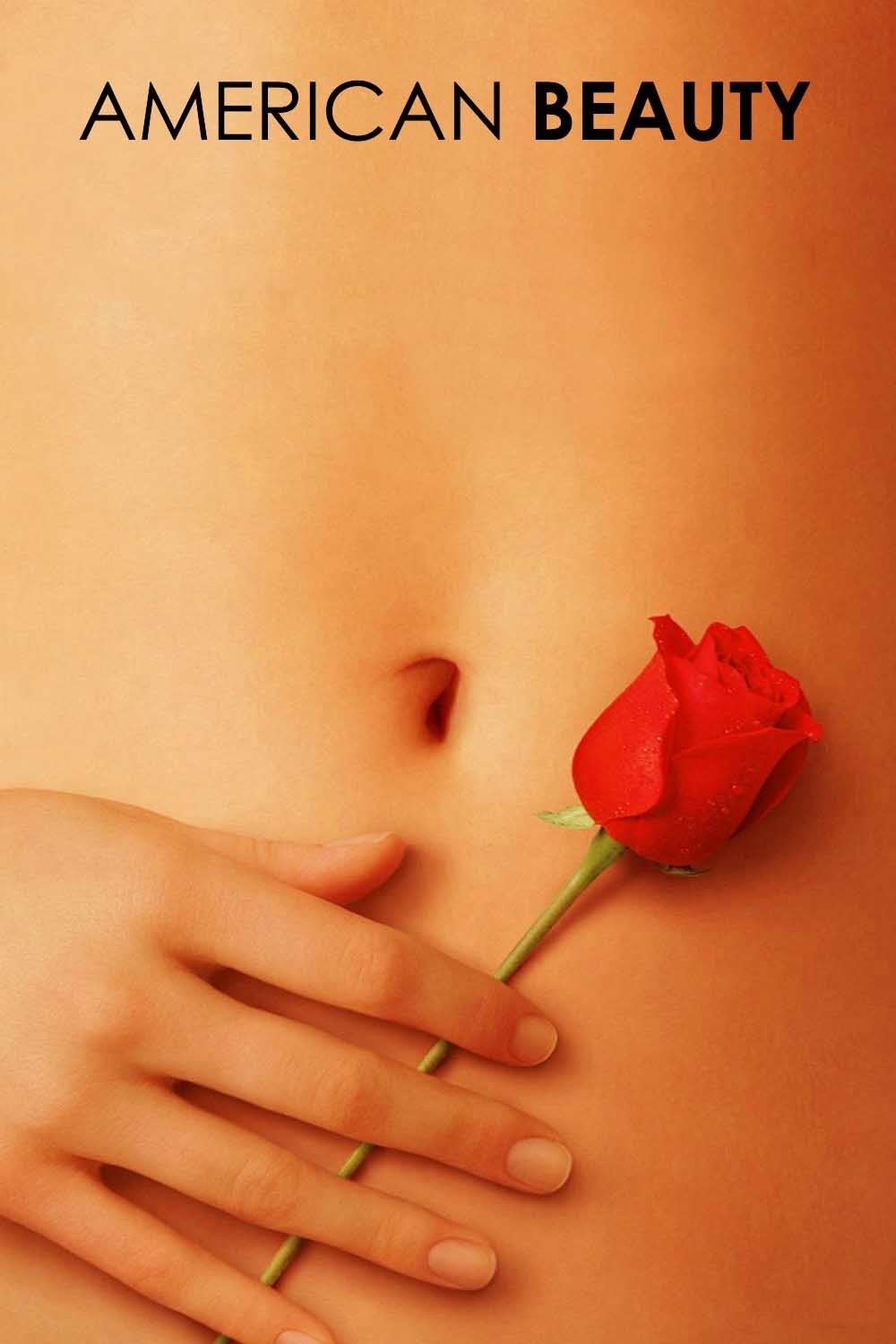
When I think about why “American Beauty” keeps showing up on streaming platforms, in think-pieces, or as a subject on social media feeds, I realize it’s less out of love and more out of genuine curiosity from a newer, more critical audience. For me, the film comes up in conversations not just for its once-legendary Oscar sweep but because people want to interrogate its reputation: does it actually deserve its status as a modern classic, or has the cultural landscape left it behind? Its familiar poster and iconic score still circulate in pop culture, which keeps it in the public eye, yet the discussion around it has changed—now it’s as likely to be the object of scrutiny as it is of admiration. The controversy surrounding its star casts a shadow that’s impossible to ignore, sparking conversations about separating art from artist for younger viewers who’ve grown up with different cultural boundaries. I’ve also noticed a trend where Gen Z and Millennials revisit films like this partly because they want to challenge their parents’ canon, testing whether that late-90s suburban angst feels meaningful or just outmoded. And, I can’t discount the algorithmic push: streaming services tout critically-lauded movies to pad their catalogs, often reintroducing “American Beauty” to people who never saw it in theaters—or weren’t yet born when it premiered. Ultimately, I think the reason it keeps bubbling up is because it’s a cultural Rorschach test: we want to know what still shocks us, what (if anything) still resonates, and how much our collective values have shifted.
What Still Works for Modern Viewers
Whenever I revisit “American Beauty,” I’m struck by how sharply some of its filmmaking choices still land, even if I can’t bring my old self to the experience. The performances, for instance, are still undeniably compelling—Annette Bening’s jittery intensity feels timeless, and I find her portrayal of self-delusion uncannily relevant with today’s obsession with self-image and performative perfection. I can’t ignore the way the film’s visual style—those saturated reds, chilly suburban symmetry—still feels carefully constructed, almost as if it anticipated our current aesthetic fascination with order and dissonance. I notice that the dialogue carries a snappy, memorable rhythm, laced with a kind of middle-class ennui that’s survived into modern storytelling, especially in prestige TV. There’s a certain emotional crackle in the confrontations; people say things they’d rather not, wounds are picked open just to feel alive, and I catch myself appreciating the commitment to emotional messiness.
I think the film’s sense of existential dissatisfaction, while less radical now, is actually more honest when compared to the polished social feeds we encounter daily. There’s a raw yearning for authenticity in the characters that strikes a familiar note with an audience routinely sold aspirations and artificiality. Even though the specifics have changed, I feel that sensation of “fakeness” that the film rails against is still deeply part of the generational conversation. On the technical side, I find the pacing surprisingly lean for a late-’90s drama—scenes accelerate toward emotional breaking points without languishing in sentimentality. Looking at it from today’s perspective, I notice this works in its favor compared to other films of its era, which often drag out their themes with less discipline.
As someone constantly exposed to self-referential, knowing media, I can see why the film’s meta take on suburbia’s hidden rot still has a certain allure—it trades in the kind of darkly comic irony that modern audiences have embraced, from “Succession” to “White Lotus.” And though I might not relate to every creative choice, I can’t deny the craft on display: from sharp editing to the judicious use of Thomas Newman’s score, these are elements I believe still hook viewers used to high-gloss streaming content.
What Feels Dated or Challenging Today
As much as I respect parts of “American Beauty,” I can’t help but notice how much of it has not only aged but aged awkwardly. The film’s fixation on a middle-aged man’s midlife crisis—especially his interest in a much younger woman—lands very differently now than it did in 1999. For me, this isn’t just a question of shifting norms; it’s a matter of what my comfort threshold is today. I find the storyline unsettling in a way that’s hard to separate from my 2020s moral compass, especially considering the landscape of #MeToo and the wider reckoning around power and consent in popular culture.
I also find that the film’s treatment of its female characters feels markedly narrow from a modern vantage—many of the women exist to orbit the male protagonist, with only fleeting attention paid to their own agency or desires. Watching it now, I become increasingly aware of the lack of intersectionality; the cast is overwhelmingly white and heteronormative, and the depiction of mental health or sexual fluidity feels at best outdated, at worst, entirely off the mark. While there are moments that gesture at deeper character interiority, I keep feeling like they’re filtered through an outsider’s, often male, perspective.
Even the pacing—which I praised for being lean—starts to drag at points by today’s standards. There’s a sense that the film takes its time reveling in an “edginess” that no longer shocks; the transgressive elements that once seemed bold now risk coming across as performative or even retrograde. Critical moments linger in ways that make me acutely aware of the emotional manipulation at play, rather than serving as genuine catharsis. Scenes of mundane domesticity or voyeuristic obsession that older audiences once found revealing now tend to feel self-indulgent, especially to younger viewers raised on more nuanced explorations of dysfunction.
Technology, too, is conspicuously absent or quaint. Home video cameras seem impossibly dated, and there’s something about the analog approach to “recording life” that feels almost alien to me, accustomed as I am to the omnipresence of smartphones and instant documentation. This temporal distance isn’t fatal, but it does add another layer of remove for people hoping for direct relatability. Finally, the controversies surrounding its cast add an uncomfortable subtext; for many, it’s impossible not to filter the onscreen performance through real-world headlines, and I can’t blame anyone for finding that distracting or off-putting. The experience has changed, not purely because of the film, but because of everything that’s happened since.
How Modern Audiences Are Likely to Experience This Film
When I recommend “American Beauty” to friends or followers, I almost always preface it with a caveat: it’s not an easy watch if you’re coming in with present-day expectations around boundaries, consent, or representation. I think younger viewers, especially, may find the film’s central dynamics uncomfortable—and not in the ways it intends. The relationship at the film’s core is likely to be a dealbreaker for anyone sensitive to how older media handles teenage characters and sexualization. For some, the movie’s own self-awareness feels inadequate when measured against the sharper, more complex storytelling now available on platforms like HBO or Netflix.
If, like me, you’re drawn to subversive or darkly comic explorations of domestic life, there is still some catharsis to be found. But, you may notice that today’s films challenge power structures and reveal interior worlds in more inclusive, layered ways. Attention spans being what they are—fragmented by short-form content and endless choice—many viewers might find the film’s slower stretches a test of patience, particularly if you’re used to television that dispenses with exposition and moves briskly from one revelation to the next.
On an emotional level, I think the film still has the capacity to provoke. If you’re someone who appreciates discomfort or enjoys dissecting performances, “American Beauty” deals out scenes that demand reaction. But, for anyone hoping for a more uplifting narrative, or a film that resolves its moral ambiguities, the experience can be alienating. If I compare it to modern dramas—where ambiguity is often paired with empathy—it’s clear this film is less interested in solace or redemption.
The generational divide is real. I see people my age, or slightly younger, approaching “American Beauty” as a critical artifact—something to analyze and debate—rather than an immersive, get-lost-in-it type of film. If you value realism that accounts for social diversity and character complexity, you might find the story lacking in both scope and sensitivity. I would say the film is best approached as a cultural touchpoint rather than an unmissable drama—one to be watched with the awareness that it’s of its time, and that its appeal (or controversy) now lies as much in what it gets wrong as what it gets right.
Final Verdict: Is It Still Worth Watching?
After revisiting “American Beauty” through a contemporary lens, I believe it still holds value—though not for everyone, and certainly not in the way it was once presented as a must-see masterpiece. Personally, I find it’s worth watching if you’re interested in critically reassessing how a film that was once celebrated can be reframed by evolving cultural norms. Its performances and craftsmanship still carry weight, and there’s genuine merit in seeing how these resonate—especially if you’re the kind of viewer who appreciates character studies and is comfortable examining problematic elements up close.
But I wouldn’t recommend it to someone looking for comfort, escapism, or a depiction of suburban life that feels wholly relevant or progressive. The film’s moral perspective, tone, and key relationships are likely to feel uncomfortably at odds with present-day values for many, particularly if you find yourself sensitive to the representation of gender, sexuality, and consent. For those invested in film history or cultural criticism, “American Beauty” remains a useful—sometimes exasperating—reference point for what late-20th-century cinema aimed to do, and how our collective standards have changed.
If you’re simply looking for a gripping or relatable story, with diverse and resonant voices, you’re probably better served by more current work. But, if you approach it with an open, analytical mind, and are ready to sit with discomfort rather than reassurance, there’s still something to be gained. Ultimately, I see it as a film whose contemporary value lies not in timeless relatability, but in the discomfort and dialogue it continues to generate.
For viewers curious about authenticity, exploring the film’s factual basis may be useful.