
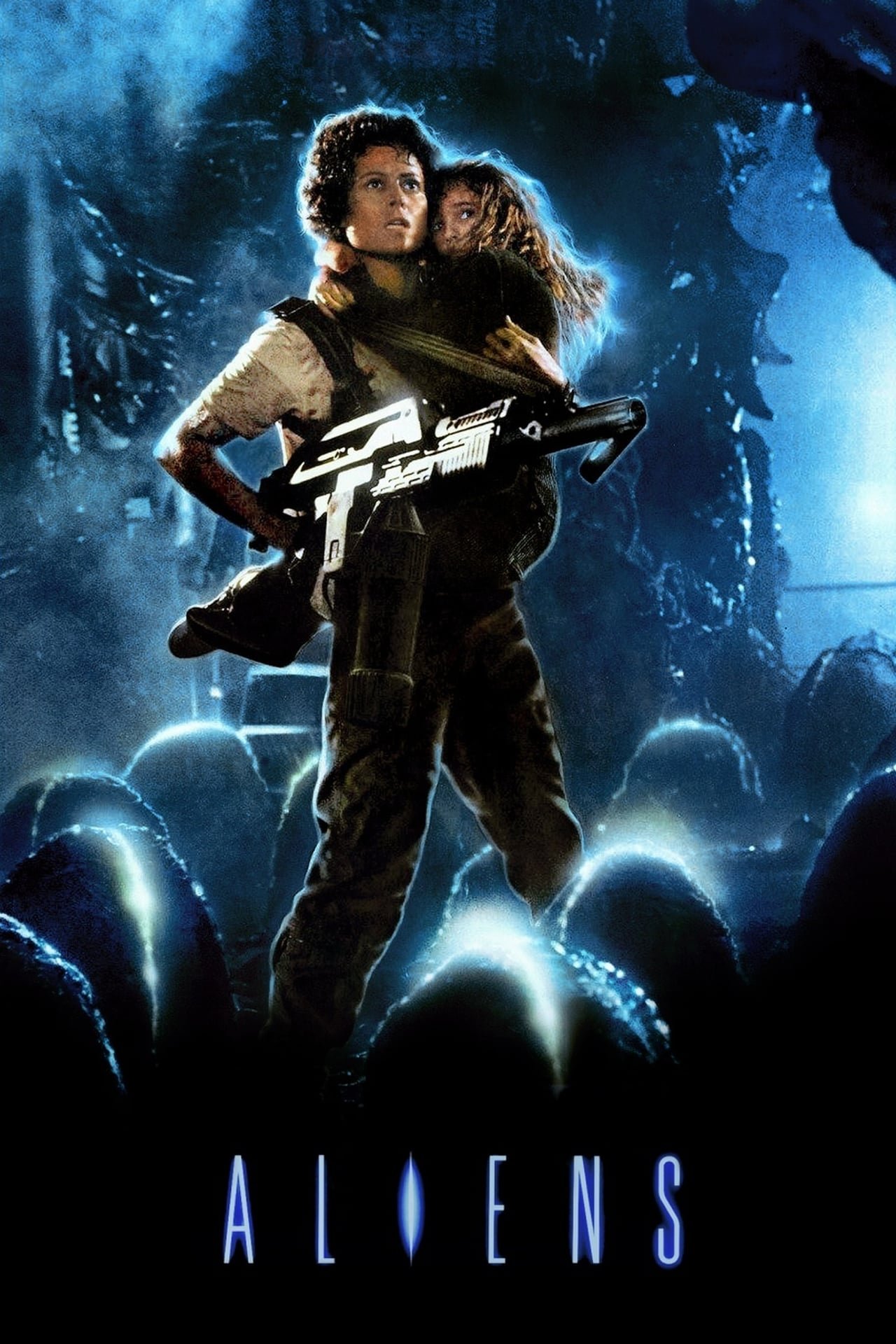
Why This Film Is Revisited Today
Whenever I notice the film Aliens appearing again in conversation, I realize it isn’t just because of personal nostalgia or even a general retro fascination. There’s a cultural gravity that continues to pull new and returning viewers toward it. Maybe it’s the way the film’s iconography—images, lines, and certain scenes—linger on in contemporary pop culture, showing up in memes or referenced in new sci-fi shows and video games. For me, seeing people debate or rewatch Aliens online isn’t just performative nostalgia; instead, it feels like a real curiosity from those who missed it the first time or were told, “You need to experience this, just once.” Streaming platforms make these sorts of explorations frictionless now, meaning a single evening and a few clicks can drop you right into a film that was once considered wildly intense or even groundbreaking. That ease of access, plus the perennial resurgence of “strong female protagonists” as a trending topic, keeps the film somewhat relevant. Major anniversaries and director retrospectives seem to revive public interest on a cycle, too, as do ongoing debates about the evolution of action and sci-fi in cinema. In other words, I keep seeing Aliens pop up not because it’s frozen in the past but because it keeps being invited back into the present-day cultural conversation.
What Still Works for Modern Viewers
Whenever I revisit Aliens, I’m struck less by nostalgia and more by the brisk directness of its tension and character dynamics. The atmosphere doesn’t waste time with ambiguity; it’s clear, focused, and almost startlingly efficient in drawing me into its high-stakes world. Sigourney Weaver’s performance, for example, genuinely remains a compelling study in determination and anxiety. She manages to embody fear, outrage, and resolve in ways I still find authentic, especially compared to more stylized or self-aware acting common in today’s genre films. What I find particularly enduring is the rapport (or friction) among the film’s ensemble—scenes of camaraderie, authority, or dissent feel genuine rather than manufactured. This still feels engaging to me, not just as a relic of a particular filmmaking era but as a demonstration of how to quickly establish lived-in relationships between characters without heavy exposition.
Action-wise, the film’s practical effects give many moments a gritty, tangible edge. In an age where CGI sometimes leaves me cold by its glossiness or lack of physical stakes, I appreciate the toughness of metal corridors, grimy costumes, and the creatures themselves. The pacing, especially in the film’s middle stretch, leans into a sense of dread that I think today’s audiences may recognize from the best of tense, slow-burn horror—there’s a gradual tightening of suspense without an overreliance on jump scares. I also can’t overlook the musical score and sound design; somehow, despite decades of technological advancement, the film’s oppressive soundscape and use of silence maintain a persistent sense of unease for me. When the action does break out, it still feels visceral, full-bodied, and emotionally sharp—qualities that can be oddly refreshing compared to the broader, sometimes weightless destruction of certain contemporary blockbusters. On a more subtle level, I still respond to the implicit themes of corporate callousness, loyalty under pressure, and moral ambiguity—all ideas that seem as vital as ever, and presented with more clarity than much modern commentary-laden sci-fi.
What Feels Dated or Challenging Today
Aliens has plenty of moments that feel firmly tethered to the 1980s, and not all of them are charming from a modern vantage. The pacing, while taut in its prime, occasionally feels labored compared to today’s content, which trains me to expect early and frequent payoffs rather than atmospheric buildup. For instance, some expository exchanges, meant to lay technical groundwork, now seem unnecessarily drawn out, more functional than immersive. The film also leans hard into certain action-movie tropes—sometimes trading wit for bluster, or deploying side characters whose personalities are sketched out in broad strokes rather than given real nuance. I find this can clash with contemporary expectations for character complexity, especially when I’m used to the current wave of more psychologically detailed ensemble casts.
Representation is another mixed bag. Although Sigourney Weaver’s role is often lauded for its strength and agency, it stands out precisely because so much of the supporting cast is less thoughtfully depicted. Some moments read now as tokenistic or stereotyped, especially in how certain accentuated personas, from gung-ho marines to “tough” female characters, operate against present-day standards for diversity and sensitivity. It doesn’t derail the film’s energy, but I sense a flatness in how backgrounds and voices are handled, especially against modern ensemble pieces that strive for greater inclusivity and character depth. The casual use of military banter or gendered put-downs doesn’t feel designed to provoke, but at times, it does bring me out of the moment, reminding me how language and humor have shifted.
Visually, while I enjoy the physicality of the practical effects, there are sequences where the limitations of models and suits are apparent. Younger viewers weaned on state-of-the-art effects might find themselves distracted during elaborate sequences that once felt seamless. Some of the technology, from interfaces to props, looks quaint and outmoded—a kind of retro-futurism that unintentionally highlights the gulf between what was once cutting-edge and what now reads as old-fashioned. I don’t find this ruinous, but it does mean the film, at times, struggles to maintain total immersion for a 2020s audience steeped in digital polish. There’s also a briskness in the emotional arcs—the way trauma or loss is handled with a get-up-and-go stoicism—that I sometimes read as shallow compared to today’s appetite for more overt vulnerability. These aren’t fatal flaws, but they do shape how accessible the film is for those who prioritize immediacy and modern attitudes.
How Modern Audiences Are Likely to Experience This Film
When I try to imagine the reactions of present-day viewers dropping into Aliens for the first time, I see a spectrum shaped by familiarity with both the genre and the pacing of current media. For those accustomed to fast, relentless storytelling (think: high-octane streaming shows or contemporary blockbusters), the film’s deliberate build-up may initially frustrate. Certain viewers are liable to pull out their phones when dialogue lingers on technical jargon or when the screen lingers on atmospheric shots rather than delivering new plot points. In my experience, this challenge is especially true for audiences raised on shorter attention spans, fostered by binge-watching or endlessly scrollable content. However, I often find that, if given a chance, the escalating sense of dread and high-stakes cohesion can win over those who might otherwise check out early.
For sci-fi fans or those invested specifically in the evolution of action cinema, there’s an undeniable fascination in seeing how intense set pieces and practical creature effects shape emotional engagement. Even now, I see conversations online where younger viewers express surprise at the impact of the film’s “low-tech” approach. If you’re part of the group that thrives on character-driven tension rather than constant spectacle, I think you’ll find the slow-building suspense and personal stakes more than rewarding. On the flip side, those looking for quick catharsis or who expect deep exploration of trauma and relationships may find some of the emotional beats landing shallow or feeling brisk. The film’s military stylings and pulse-pounding finale are likely to appeal to viewers who enjoy traditional genre thrills, but if hyper-realism or progressive social commentary are non-negotiable, some of the film’s conventions could seem tame or simplistic.
Often, I hear from people who watch Aliens as part of “homework”—to trace the legacy of strong heroines in action media, or to contextualize current debates around genre representation. In these cases, I think the film meets expectations well enough, particularly regarding Weaver’s performance, even if other aspects falter. The communal nature of today’s viewership—“watch parties,” social media reactions, or video essays—tends to soften the film’s aged roughness. There’s a sense that imperfections are more easily forgiven when the experience is shared or processed in real time. For horror fans, especially those tracking how scares and tension are built over time, this film is likely to resonate, as it continues to be discussed in conversations about horror’s evolution. My sense is that Aliens isn’t universally approachable, but it rewards those patient enough to engage with its pacing and practical artistry.
Final Verdict: Is It Still Worth Watching?
Weighing my own reactions alongside what I see and hear from today’s audiences, I think Aliens remains a rewarding watch, but in a context-dependent way. If you come seeking rapid plot development or flawless contemporary representation, the film may frustrate or even underwhelm you. Its idiosyncrasies and period markers are hard to ignore and occasionally jarring. However, if you have the patience to adjust to its rhythm, or if you care about performance, mood, and the tactile pleasures of pre-digital filmmaking, I genuinely believe there’s a lot to value here. For me, it still delivers on intensity, character-driven suspense, and a model of action storytelling that feels rawer and more personal than much of what dominates popular cinema now. I would recommend the film most strongly to viewers interested in genre history, practical filmmaking, or performances that run deeper than stereotypes often suggest. That said, if your preferences lean heavily toward modern narratives that foreground introspection or social nuance, a first-time viewing might feel more like a cultural assignment than pure pleasure. Ultimately, I find Aliens worth watching, but not because it fulfills every modern expectation; rather, it endures as an artifact that both satisfies and challenges, offering enough emotional and cinematic substance to justify its continued place in contemporary viewing circles.
For viewers curious about authenticity, exploring the film’s factual basis may be useful.
🎬 Check out today's best-selling movies on Amazon!
View Deals on Amazon