
Why This Film Is Revisited Today
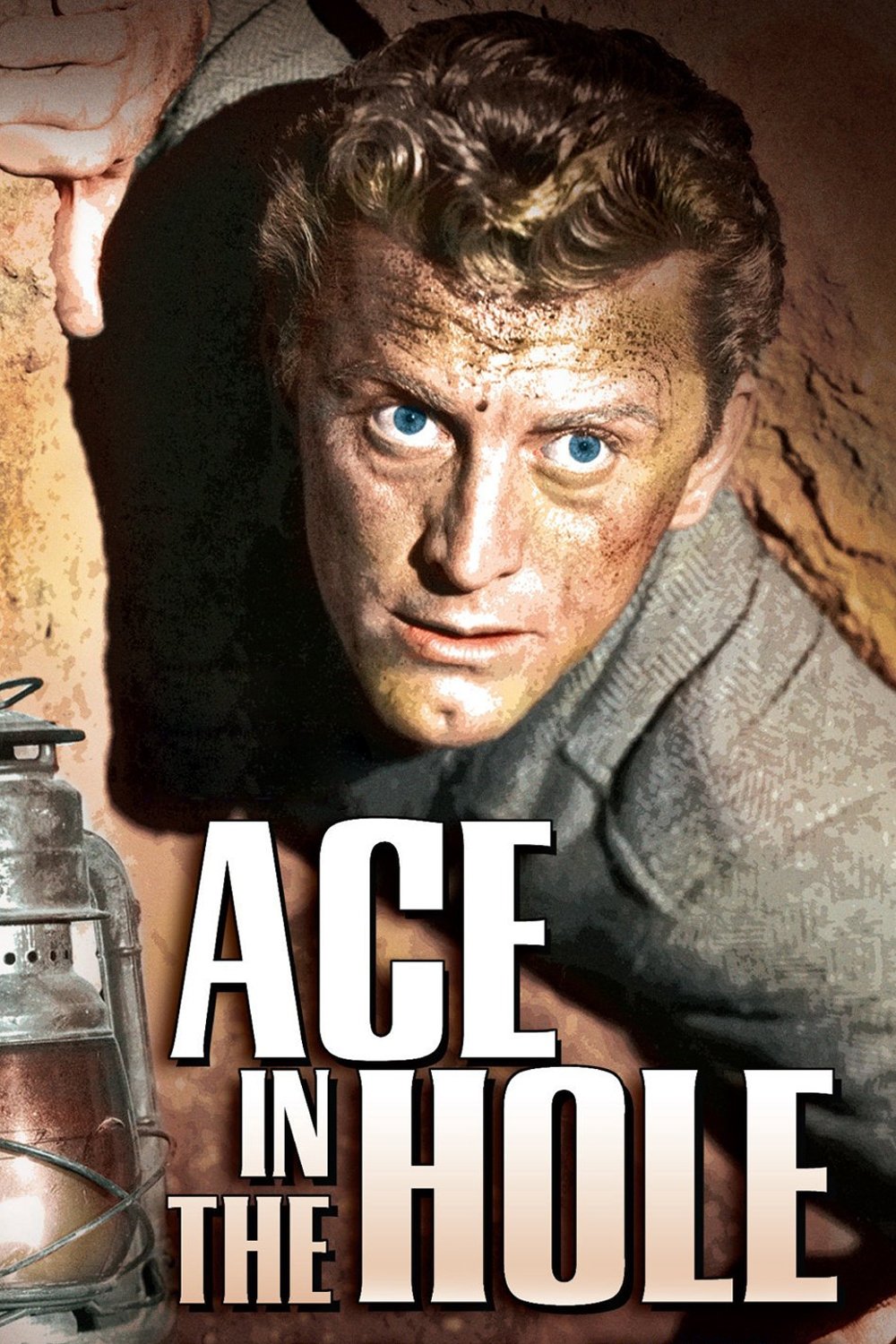
In the age of endlessly available content, certain older films recur in discussion for reasons beyond nostalgia. Ace in the Hole continues to surface in present-day viewing lists and debates for several reasons. Its depiction of media ethics resonates strongly in an era where stories about journalistic boundaries, public manipulation, and spectacle-driven news have taken center stage. Along with its topical relevance, the film’s reputation as a touchstone of classic American cynicism has encouraged film scholars, critics, and cultural observers to include it in analyses regarding the evolution of media portrayals. Availability on various streaming platforms and retrospectives has put it within reach of the curious mainstream viewer. Additionally, continuing controversies regarding the film’s tone and the behavior of its characters often spark social media conversation, drawing new audiences interested in how historical portrayals measure up to current standards. While initial viewers might approach the film out of curiosity, reputation, or academic assignment, others are simply intrigued by its distillation of themes that feel startlingly contemporary, even as its style is rooted in another era.
What Still Works for Modern Viewers
A key strength that persists is the sharply drawn central performance. The lead’s nuanced, bold delivery remains riveting, demonstrating a kind of psychological intensity that modern viewers have come to appreciate in complex characters. The dialogue stands out for being unusually biting and direct, delivering lines that cut through pretense and illuminate broader ethical questions without feeling overly theatrical by today’s benchmarks. Visually, the film displays precise composition and a command of spatial tension, showing a mastery of black-and-white cinematography that enhances mood in ways still valued by audiences attentive to craft. The script’s steady escalation of dramatic stakes—propelled by unapologetically ambitious personalities—can feel surprisingly lean by classic film standards, creating a sense of urgency that translates well for those accustomed to faster narrative pacing. Moments of emotional discomfort are constructed with a rawness that does not rely on convention, and there are pivotal scenes where the pressure and shock feel nearly as immediate as in much more recent cinema. Altogether, these elements mean modern viewers might find themselves engaged through the force of character, the acerbic wit, and the tense, sometimes claustrophobic atmosphere—all of which prefigure certain trends in contemporary social dramas.
What Feels Dated or Challenging Today
Despite its enduring strengths, Ace in the Hole reveals numerous elements that can present difficulties for present-day audiences. The pacing—though brisk compared to some of its contemporaries—may still feel uneven or deliberate to viewers acclimated to brisk, highly kinetic editing styles. Supporting performances occasionally lapse into the type of caricature or exaggeration that modern sensibilities may perceive as lacking nuance. Regarding representation, today’s audiences may notice an absence of diversity and limited dimensionality in characters other than the central figures, a significant gap for anyone expecting stories that reflect a broader spectrum of experiences. Social values have evolved, and the film’s depiction of gender roles and rural communities can feel simplistic or patronizing alongside greater modern awareness of stereotyping. Further, the film’s depiction of journalistic ethics, while prescient, is shaded by a tone of unrelenting cynicism that might strike some contemporary viewers as overwrought or bordering on misanthropy. For some, the lack of subtlety in messaging, combined with narrative choices that serve its central thesis over emotional realism, can create a sense of artificiality—particularly when compared to more understated recent dramas. Added to this, the visual style—reliant on stark contrast and set-bound staging—sometimes comes off as theatrical rather than immersive, which can heighten the sense of distance for a generation used to handheld realism or documentary textures.
How Modern Audiences Are Likely to Experience This Film
Contemporary audiences are likely to approach Ace in the Hole from a place of curiosity about its theme or historical stature, but their actual experience will depend on individual expectations and viewing habits. For viewers acclimated to rapid-fire editing, multi-layered subplots, or visually dazzling productions, this film may feel slow to start and occasionally didactic in its delivery. At the same time, the film’s aggressive, unsparing tone can feel almost avant-garde for those used to more morally ambiguous or emotionally conciliatory narratives; this may be either a draw or a detriment depending on taste. Audiences who prioritize strong character studies or insightful commentary on media culture will likely find its confrontation with questions of morality relevant, even if the style feels removed from contemporary realism. However, those seeking greater balance, emotional warmth, or more expansive representation may find these aspects underdeveloped by modern standards. The intensity of the subject matter and willingness to depict manipulative behavior may test emotional tolerance, especially for viewers sensitive to cynical worldviews or ethical discomfort. For audience members well-versed in classic cinema or with a strong interest in the evolution of media critique, the film presents a relevant case study in where these cultural conversations originated; for those less committed, the contrast with present-day storytelling might prove isolating, and the film’s value will hinge on willingness to engage with its particular style and provocations.
Final Verdict: Is It Still Worth Watching?
Ace in the Hole remains a noteworthy—if challenging—experience for modern viewers interested in the intersections of media, ethics, and spectacle. Its more abrasive moments and occasionally blunt tone do pose obstacles for those expecting contemporary realism in characterization and narrative development. Nevertheless, the film’s ability to provoke, its lead performance, and its enduring relevance to cultural debates about journalism and public manipulation mean that it still offers considerable value. It is best suited for viewers who appreciate classic films, have an interest in the development of media criticism, or are open to confronting disquieting questions about public appetite for spectacle. For the casual viewer primarily seeking entertainment or equitable representation, the film’s limitations and period-specific blind spots are more apparent. In short, Ace in the Hole is still worth watching for those open to its style and perspective, but may be less rewarding for anyone expecting the tonal and thematic balance of contemporary dramas.
For viewers curious about authenticity, exploring the film’s factual basis may be useful.
🎬 Check out today's best-selling movies on Amazon!
View Deals on Amazon