
Why This Film Is Revisited Today
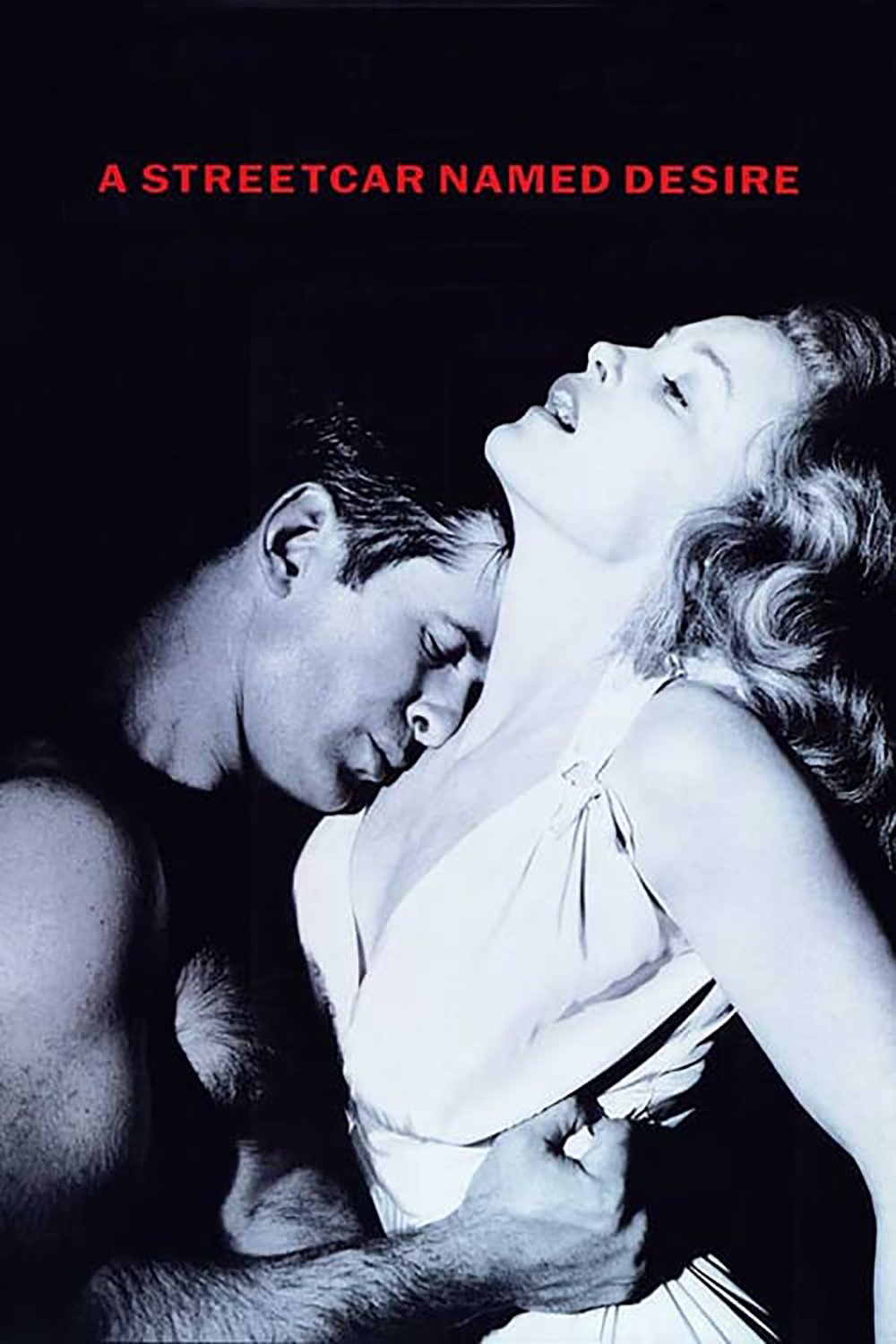
Even decades after its debut, A Streetcar Named Desire remains a fixture in conversations among cinephiles and casual viewers alike. It regularly surfaces on major streaming platforms, often singled out for its iconic status or as an essential piece of classic American cinema. Part of the ongoing interest stems from its lasting influence on acting styles and dramatic storytelling, both in film and theater. For those new to older films, this title’s frequent appearance on “must-see” lists or in academic syllabi invites a certain curiosity. Additionally, contemporary discussions about representation, gender dynamics, and the depiction of trauma have brought renewed attention to how such themes are presented here. The reputational weight of the lead performances, particularly Marlon Brando’s, also continues to draw in viewers wanting to experience widely referenced moments firsthand. In today’s climate of content abundance, the film’s periodic resurfacing in streaming catalogs and on curated movie nights signals persistent relevance—sometimes as a controversial touchstone, other times as a subject of fresh critique.
What Still Works for Modern Viewers
From a present-day vantage point, A Streetcar Named Desire retains remarkable intensity in specific aspects, most notably in its acting. The character portrayals, especially those by Marlon Brando and Vivien Leigh, remain remarkably vibrant and layered. Brando’s raw, emotionally charged presence—marked by physicality and voice—feels visceral even to viewers accustomed to today’s more naturalistic acting. This particular approach, ahead of its time, laid groundwork for the method performances that now define much of mainstream cinema. Leigh’s performance, nuanced and tightly controlled, still provides a compelling portrait of fragility and distress that stands apart from more melodramatic acting styles of the era.
The dialogue—sharp, elliptical, and tension-filled—continues to resonate with modern audiences. Unlike many scripts weighed down by exposition, the film capitalizes on subtext and confrontational exchanges, which align well with current preferences for layered character dynamics.
Additionally, the setting and cinematography, while unmistakably of their time, possess a moody claustrophobia that remains effective. The film’s use of confined spaces, shadowy lighting, and close shots draws viewers into a pressurized environment. For those who value psychological drama and character-driven conflict, these elements can still deliver a satisfying punch. In an era when many films feel overedited or visually busy, the controlled compositions and measured pacing here may, for some, come across as refreshingly focused.
Finally, the movie’s refusal to offer easy answers or sentimental closure mirrors many modern prestige dramas, making it surprisingly aligned with contemporary storytelling preferences.
What Feels Dated or Challenging Today
Despite these strengths, there are substantial aspects of A Streetcar Named Desire that pose challenges for today’s viewers, whether due to shifting social standards or simply the passage of time. The pacing, by current norms, may register as slow, particularly in early scenes heavy on theatrical dialogue and contained tension that lacks the rapid escalation to which streaming-era audiences are now accustomed. The film’s stylized language and exposition occasionally intrude on its otherwise immersive qualities.
More significantly, the film’s depiction of gender dynamics, sexuality, and mental health can feel outdated and at times deeply unsettling. Behavior and attitudes that were depicted uncritically in the 1950s now appear troubling to viewers aware of contemporary conversations around consent and trauma. Some of the narrative’s most central conflicts turn on abusive or coercive behavior that, while not glamorized, is presented without the same level of explicit critique modern audiences might expect.
The handling of psychological distress and interpersonal violence is another area where time has exposed gaps in sensitivity and nuance. Mental health, for instance, is used as a dramatic device rather than explored with the empathy or complexity favored in current films and television. It’s also important to note that the film’s overwhelmingly white cast and narrow perspective reflect mid-century mainstream cinema, lacking the diversity or representation routinely sought by present-day viewers.
Technically, certain production choices—performance affectations, set design, and even elements of the film score—can break the spell for audiences used to more nuanced or understated forms of realism. For younger viewers or those not accustomed to pre-1960s cinema, these stylistic artifacts may read as theatrical or artificial, inhibiting immediate emotional connection.
How Modern Audiences Are Likely to Experience This Film
Reactions to A Streetcar Named Desire among contemporary viewers will vary widely based on personal viewing habits, expectations, and sensitivities. Those with an established interest in classic film, theater, or film history are likely to appreciate the performances on their own terms, finding value in the intense, often uncomfortable character interplay. Such viewers are often patient with longer scenes and more invested in nuanced acting than in plot momentum.
General viewers—or those coming from today’s fast-cut, visually immersive storytelling—may struggle to adjust to the film’s measured pace and limited visual dynamism. Viewers seeking entertainment that aligns with present-day thematic standards around gender, consent, and trauma might find the film’s portrayal of these topics jarring, if not off-putting. Certain scenes, once considered groundbreaking, now provoke discomfort without substantial mitigation or commentary from the film itself.
On the other hand, those interested in the evolution of acting, particularly the transition into more realistic performances in Hollywood, may find Brando’s work both accessible and revelatory. For today’s audiences experiencing “must-see” fatigue, it’s worth noting that the film is shorter than many prestige dramas, which may be a draw for those wary of narrative sprawl.
For group viewing, or as a conversation starter about changing social values in film, A Streetcar Named Desire serves as a potent artifact. However, it is less likely to serve as casual entertainment for a broad audience. Approaching it with context—even a basic awareness of its reputation and critiques—can significantly shape the experience. Viewers open to a challenging watch, rather than escapism, are best positioned to engage with this film meaningfully.
Final Verdict: Is It Still Worth Watching?
A Streetcar Named Desire can still be considered worth watching today, though its value depends strongly on what viewers seek from the experience. For those interested in performance history, film craft, or the way cinema reflects and refracts changing social values, the movie offers numerous points of engagement. The performances, particularly Brando’s and Leigh’s, hold up as both historically influential and emotionally forceful, even for contemporary eyes.
That said, the film’s dated perspectives and stylistic choices can render it less accessible or even off-putting for those expecting modern pacing, representation, or sensitivity. It is not fully aligned with today’s expectations for nuanced exploration of trauma or progressive gender roles. For new viewers, especially those unused to classic cinema, adjusting expectations ahead of time will help determine enjoyment or appreciation.
Ultimately, A Streetcar Named Desire remains best recommended for viewers with a strong interest in film as art or cultural artifact rather than as pure entertainment. It can be a powerful, if at times uncomfortable, watch—one that prompts reflection on both its celebrated technique and its limitations. For others, particularly those looking for comfort viewing or modern storytelling, it may not offer enough contemporary appeal to merit a priority spot on the watch list.
For viewers curious about authenticity, exploring the film’s factual basis may be useful.
🎬 Check out today's best-selling movies on Amazon!
View Deals on Amazon