
Does This Film Still Hold Up Today?
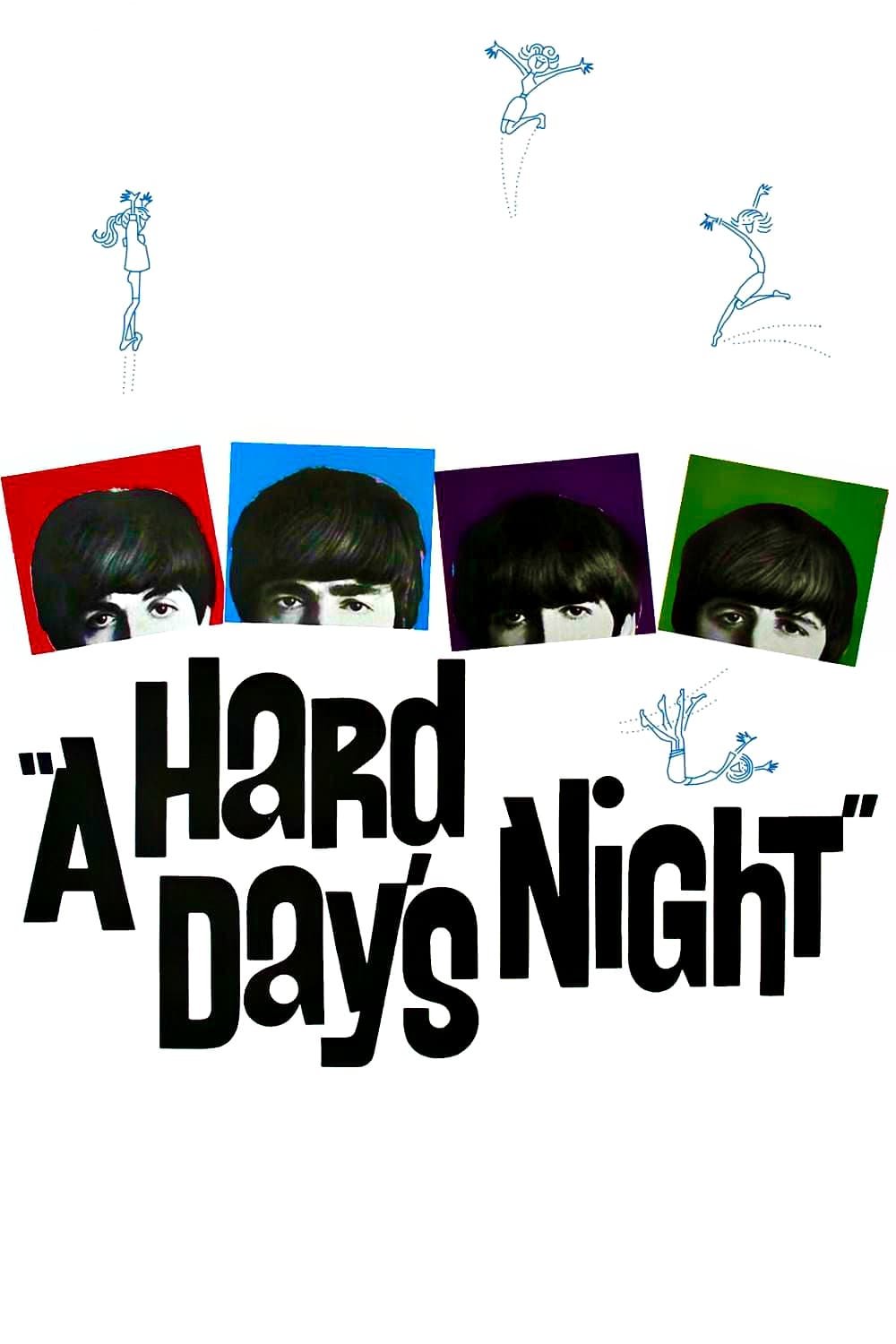
From the perspective of modern audiences, A Hard Day’s Night is conditionally recommended. While some viewers—especially music enthusiasts and fans curious about the phenomenon of Beatlemania—may find its energy infectious, today’s viewers who prefer structured plots, slick pacing, or contemporary humor may struggle to connect. The film’s documentary-style comedy and 1960s pop culture sensibility can be charming in the right mood, but it doesn’t fully translate into a universally compelling watch for people unfamiliar with The Beatles or the historical context of their fame. Unless you already enjoy the band, the era, or are in the market for a light, quirky musical experience, you may wish to explore alternative options for your movie night.
Pacing, Acting, and Storytelling by Today’s Standards
Watching A Hard Day’s Night through today’s lens exposes its willingness to meander and indulge in set-pieces that prioritize spirit over plot progression. The film functions less like a cohesive narrative and more like a series of loosely connected music videos, playful skits, and backstage antics. For audiences accustomed to strong narrative hooks, cause-and-effect momentum, or high stakes, the story here may feel absent or irrelevant.
The performances have a loose, almost improvisational tone. The Beatles themselves, mostly non-actors, deliver lines in a naturalistic but sometimes awkward way. This authenticity might win over those who value casual, unscripted performances; others could find it detracts from the believability or composure they expect from ensemble casts. Dialogue often consists of quippy, understated British humor, and inside jokes that can pass by too quickly or feel out of step with modern comedic sensibilities. There’s a certain self-awareness and breaking of the fourth wall—something that can still resonate today—but the execution is subtler than what more recent mockumentaries offer.
Pacing can be inconsistent. Musical sequences provide an energetic boost, but transitions between them are sometimes abrupt, as scenes drift without clear direction. The film’s brief runtime helps, but its structure can feel repetitive, and it doesn’t build toward a dramatic climax. In a current climate where attention spans are short, and every minute counts, some viewers might find themselves reaching for their phone half an hour in.
What Feels Timeless — and What Feels Dated
- Timeless elements:
- The music: The Beatles’ catalog is still catchy, widely recognized, and elicits an easy sense of joy. Musical interludes are brisk, lively, and showcase the band’s charisma.
- Visual wit: The playful cinematography and creative shots can delight fans of inventive filmmaking, regardless of era.
- Authentic group dynamic: The easy rapport between the band members feels genuine, and some spontaneous moments can still provoke laughter.
- Light, irreverent mood: The overall sense of fun and uncomplicated entertainment can be refreshing if you’re in the market for pure escapism.
- Dated elements:
- Comedic style: Much of the humor relies on dry, period-specific references, asides, or slapstick that doesn’t always land today.
- Lack of stakes: With virtually no conflict or character development, modern viewers may feel uninvested or disconnected.
- Sound and audio: Occasional muffled dialogue and uneven audio levels, typical of the era, may frustrate viewers used to crisp sound mixing.
- Gender roles and cultural references: Some small moments, attitudes, and gags visibly show their age and may draw groans or eye-rolls.
Strengths and Weaknesses for Modern Audiences
A Hard Day’s Night succeeds most when taken as an energetic showcase of The Beatles at the peak of their youthful charm, rather than as a traditional feature film. Its strengths include brisk musical numbers that remain fun and energetic, a breezy runtime, and a sense of authenticity that documentary fans or music lovers might appreciate. Problems arise in audience engagement: those who expect structured stories, the emotional arcs of traditional characters, or jokes that translate across generations may find the experience flat or outdated. Its loose structure means it’s easy to dip in and out, but that also dilutes emotional impact. The film isn’t visually or narratively demanding, so it’s highly accessible, but that can also make it feel superficial to viewers seeking depth or stakes.
For those with shorter attention spans or who are open to casual, background viewing, this film is more welcoming than other classics of its era. It doesn’t require any special knowledge, but its enjoyment heavily relies on having either a taste for 1960s music or an appreciation for early pop culture icons. For viewers who dislike retro black-and-white visuals or prefer a polished, narrative-driven experience, it may be more of a curiosity than a crowd-pleaser.
Who Should Watch This Film Today?
If you’re a Beatles fan, enjoy 1960s British pop culture, or have a soft spot for light, music-filled comedies without much narrative weight, A Hard Day’s Night is a breezy and enjoyable pick. It’s also a decent choice if you’re in the mood for something upbeat and relatively short or if you’re exploring the history of music in film. Those interested in precursors to the modern music video might find value in its inventive sequences. On the flip side, viewers who emphasize a compelling storyline, modern pacing, or character-driven plots may want to skip this one or save it for a group viewing with fans of the band. Anyone easily put off by dated humor, muted visuals, or looser production values is unlikely to find much here to change their mind. Ultimately, your level of interest in The Beatles or vintage pop music will mostly determine your enjoyment—if those aren’t draws for you, this film is likely better appreciated from afar.
🎬 Check out today's best-selling movies on Amazon!
View Deals on Amazon