
Why This Film Is Revisited Today
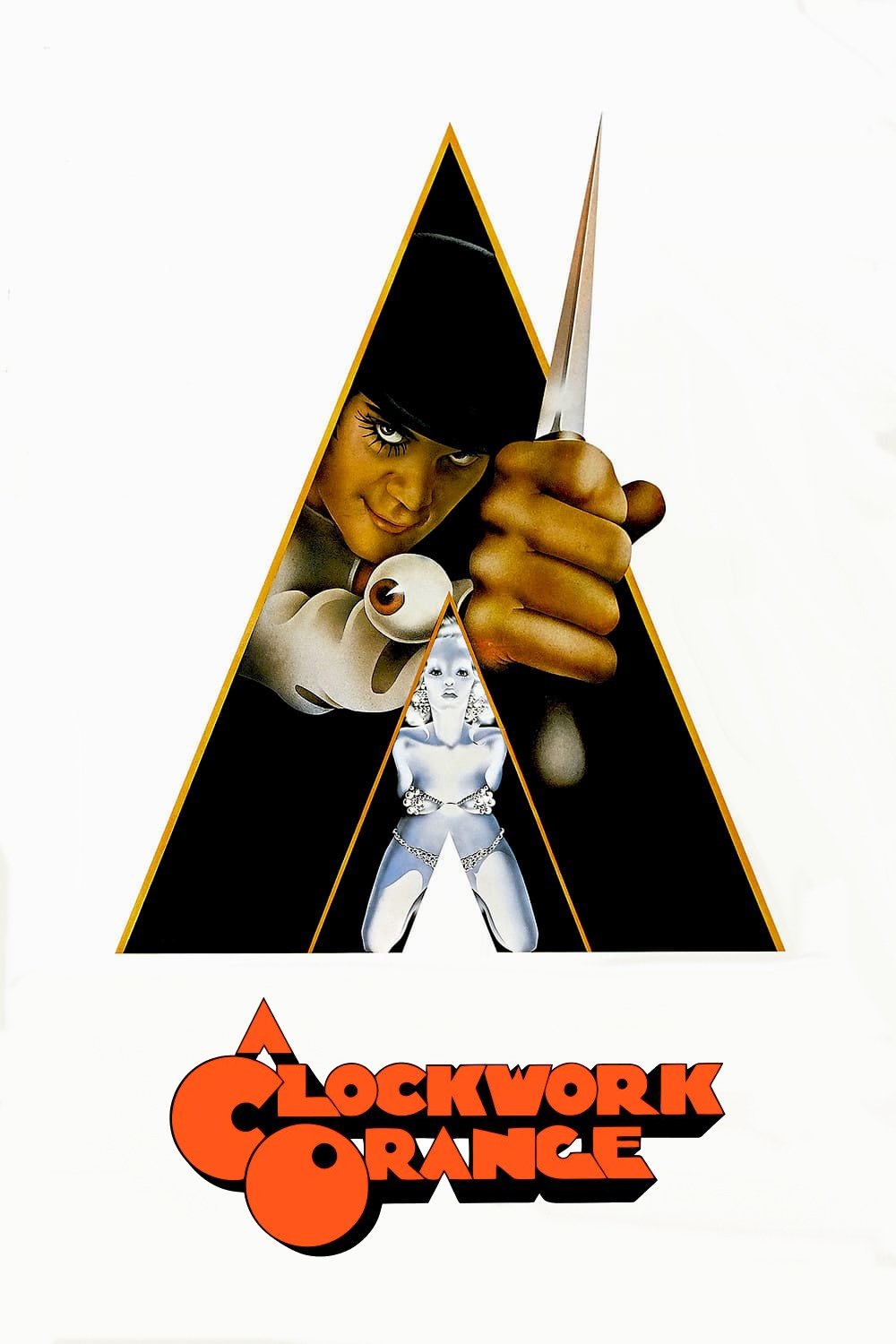
For many modern viewers, “A Clockwork Orange” continues to surface in conversation and on streaming platforms due to its polarizing reputation and the persistent dialogue it generates regarding depictions of violence and authoritarianism in cinema. Its status among controversial works draws new generations of audiences who are curious about movies that have challenged or shifted cultural boundaries. The film’s distinctive visual style and its frequent citation in critical discussions of provocative filmmaking make it a recurring reference point on social media, in academic courses, and within lists of “must-see” or “banned” films. Additionally, the availability of the film for digital rental and on major streaming services has lowered the barriers to seeing it, prompting discussions not only about its infamous content, but also about its place in the evolution of genre and language in cinema. Ultimately, modern viewers encounter “A Clockwork Orange” both as a legacy text in cinematic history and as a provocative artifact that continues to ignite questions about censorship, artistic freedom, and ethical boundaries in storytelling.
What Still Works for Modern Viewers
Certain aspects of “A Clockwork Orange” have retained a remarkable power to engage and challenge viewers even decades after its release. One such element is the lead performance, with the central figure portrayed in a way that remains unsettlingly charismatic and deeply memorable by contemporary acting standards. This portrayal stands out not due to nostalgia, but because it skillfully walks a line that many modern actors in morally ambiguous roles are still trying to master.
The film’s vivid and deliberate production design possesses a distinct character that sets it apart from generic dystopian settings often handled with CG effects today. Its practical, tactile environments and unusual set pieces still spark interest for how they evoke an off-kilter, almost surreal atmosphere that rarely feels ordinary or derivative even by modern standards. This creative visual identity continues to inspire and inform design choices in contemporary media, from music videos to fashion campaigns.
Moreover, the movie’s use of sound and music—especially its ironic juxtaposition of classical compositions with on-screen violence—remains impactful. Such choices still feel provocative, not because they once shocked audiences, but because they directly engage the viewer with conflicting emotions that are rarely so explicitly constructed in present-day mainstream filmmaking. The dialogue’s invented slang, while initially perplexing, can appeal to those looking for idiosyncratic scripts in a media landscape sometimes dominated by predictable speech patterns.
While many of the film’s themes remain uncomfortable, their presentation still provokes genuine discussion about free will and the role of the state. The emotional response this can elicit from viewers—whether discomfort, reflection, or outrage—testifies to the film’s ongoing ability to stir active engagement, which is not an easy achievement given today’s often media-savvy and desensitized audiences.
What Feels Dated or Challenging Today
For present-day audiences, several components of “A Clockwork Orange” may prove particularly difficult or alienating. Foremost is the graphic nature of its violence and sexual content, which is presented in a manner and frequency that is likely to feel gratuitous or aggressively confrontational, rather than insightful, to many viewers. Unlike stylized violence found in current action or horror films, the film’s acts of cruelty are often unaccompanied by narrative justification or clear condemnation, making them troubling to watch without the context or distance of historical understanding.
The pacing, compared to current standards, may come across as inconsistent or drawn out. Viewers accustomed to brisk narrative plotting or high-tempo editing may find the film’s structuring of events and scenes unusually languid or even self-indulgent. Scenes frequently linger beyond their immediate dramatic purpose, or pause for tone and texture rather than advancing plot or motivation, which can strain the attention span of audiences used to rapid storytelling or easily digestible sequences.
Another barrier is the film’s approach to representation. Female characters are largely objectified or relegated to passive roles, a standard that sharply contrasts with today’s greater expectation for dimensionality and agency in representation. Themes of sexual violence are addressed with a matter-of-factness—and sometimes stylization—that is likely to feel both dated and insensitive by modern standards of on-screen responsibility and consent.
In technical terms, some of the editing and visual effects, innovative for their time, do not always age smoothly to a contemporary eye; the artificiality of certain effects or design choices can come off as unconvincing or theatrical. This, combined with the film’s heavy use of invented slang, may make accessibility a challenge for viewers unwilling to acclimate to its stylistic quirks. Altogether, these dated elements are not trivial, and they may hinder a straightforward viewing experience for many.
How Modern Audiences Are Likely to Experience This Film
Today’s viewers are likely to approach “A Clockwork Orange” with a mix of expectation and caution, influenced by the film’s reputation and the sometimes intense debates surrounding its content. For those whose movie-watching habits are shaped by fast-paced editing, high production values, or clear moral storytelling, the film may initially feel perplexing or off-putting. The extended sequences and reliance on atmosphere over action can challenge attention spans tuned to streaming-era pacing, where content is often designed for quick engagement and minimal ambiguity.
Audiences particularly sensitive to graphic, non-consensual content—especially when it is framed outside of clear condemnation—should be aware that emotional resilience and a high tolerance for challenging material are recommended. The film does not provide easy emotional closure or moral affirmation and instead invites sustained discomfort, which some may see as insightful, while others may experience as pointlessly harsh or outdated.
Younger or first-time viewers looking for analytical engagement or an understanding of why certain films are considered boundary-pushing might find the film more intellectually stimulating than emotionally rewarding. The relevance for such audiences may reside less in direct enjoyment and more in comparison—how its provocations differ from, or anticipate, subsequent trends in film provocation, exploitation, or dystopian narrative.
More experienced cinephiles or those who value historical evolution in cinema may treat the movie as an advanced artifact. For them, locating references in modern media, picking apart the craft, or understanding the acts of transgression that informed later censorship debates will provide much of the value. However, for viewers prioritizing character relatability, contemporary morality, or clear plot trajectories, this experience will probably be mixed or alienating unless approached with deliberate intention and clear expectations.
Final Verdict: Is It Still Worth Watching?
“A Clockwork Orange” remains a relevant and significant film, but its appeal for modern viewers is highly conditional. It is best suited for those interested in cinema’s ability to provoke, unsettle, or challenge received ideas about form and content. Those who are open to difficult, sometimes abrasive viewing experiences will find it to be a nuanced—if uncomfortable—encounter with the outer edges of artistic expression.
However, this is not a universally accessible or easy recommendation. For viewers seeking entertainment, emotional catharsis, or a sense of moral clarity within their movie experiences, this film may disappoint or alienate. The graphic nature and dated perspectives on gender, consent, and violence may outweigh whatever artistic interest they hold for some. Its main rewards come from its impact on the landscape of contemporary film and the discussions it continues to prompt regarding what cinema should or should not show.
In summary, “A Clockwork Orange” is still worth watching today for those who are prepared for its challenging aspects and can frame their viewing experience around reflection and critique rather than anticipation of comfort or unambiguous pleasure. For others, it may serve more as a reference point or cautionary example within the broader history of controversial art than as an enjoyable or enlightening standalone film.