
Why This Film Is Revisited Today
“A Brief History of Time” often resurfaces in modern viewing lists due to its ongoing association with Stephen Hawking, whose cultural influence persists far beyond the world of physics. Many younger viewers encounter the film after reading about Hawking or his theories online, or following exposure to related works in popular science media. Its accessibility through streaming platforms has enabled a generation raised on digital content to discover—or at least sample—documentaries that shaped science communication in previous decades. The film also appeals to those curious about historical documentaries that straddle the boundary between scientific biography and broader cultural commentary, sparking conversation in academic and casual circles alike. Additionally, the film is frequently invoked in filmmaker discussions and educational recommendations, prompting new audiences to question how well vintage non-fiction filmmaking translates to the present day’s rapidly shifting cinematic and scientific vernacular.
What Still Works for Modern Viewers
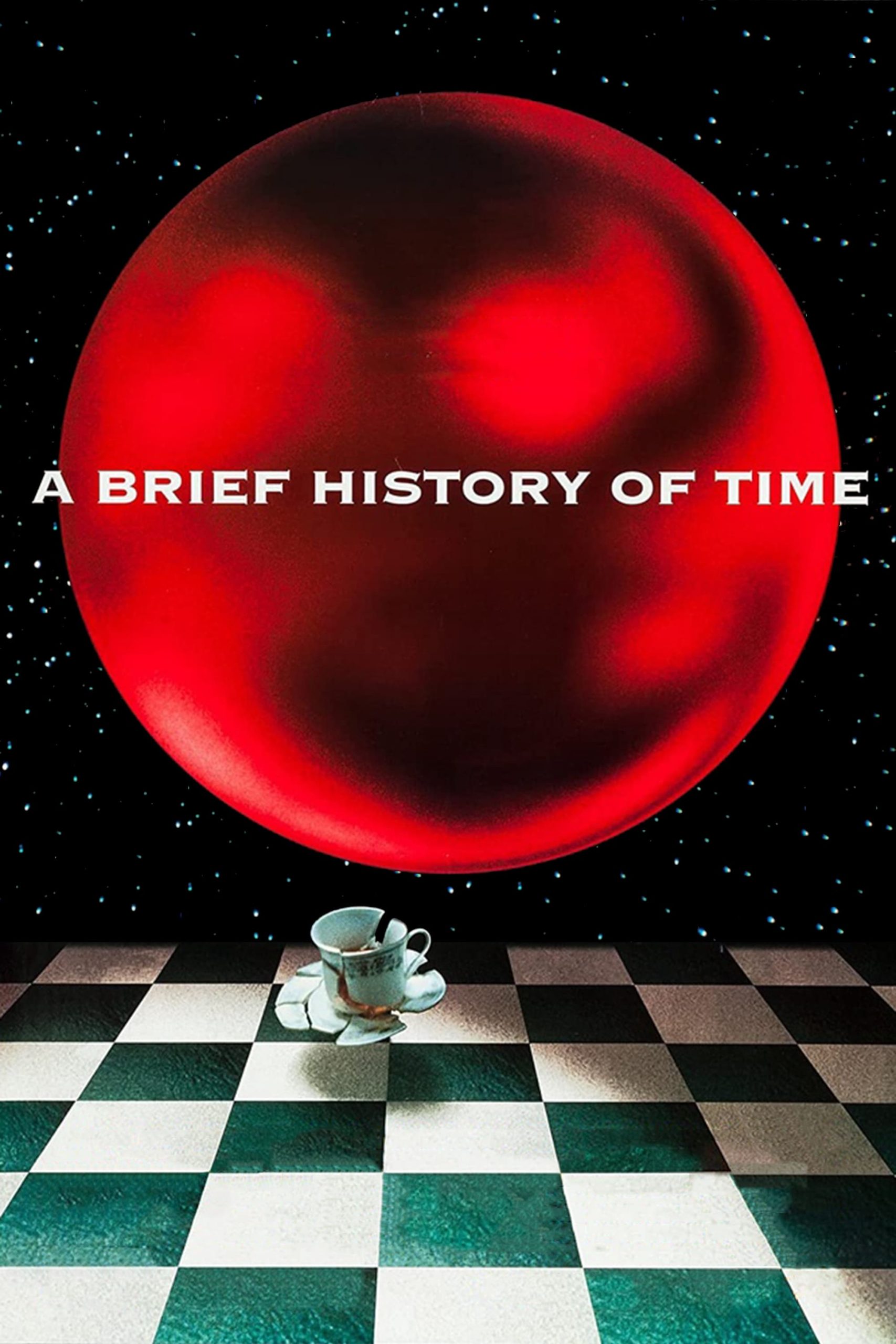
For today’s audience, “A Brief History of Time” retains several strengths that can still make it compelling. Errol Morris’s directorial approach—deliberate, visually controlled, and meditative—offers a cinematic quality that elevates the documentary above the more utilitarian science specials prevalent in the streaming era. The blend of staged interviews, controlled lighting, and Philip Glass’s distinctive, pulse-driven score combine to impart atmosphere and a sense of gravity, creating a viewing experience with immersive texture rarely matched by recent fast-cut, graphics-heavy documentaries. Even for viewers unfamiliar with Hawking’s work, the film’s visual language and pacing create an ambiance that encourages reflection. The use of interviews with family, colleagues, and acquaintances grants the narrative a multiplicity of perspectives, a format modern viewers still appreciate in well-crafted documentaries.
Additionally, the restraint in the film’s method—favoring careful framing over spectacle—reflects a confidence that relies on viewer curiosity and intelligence, something still valued by many who tire of formulaic true crime or science content. The dignity and presence Hawking himself projects onscreen remains intriguing, and the film’s refusal to resort to melodramatic storytelling provides a refreshingly understated approach. Though technological advances have redefined documentary structure, Morris’s design sensibility and commitment to mood offer a timeless quality that continues to make this film engaging for those attuned to visual storytelling.
What Feels Dated or Challenging Today
Despite these merits, several aspects of “A Brief History of Time” now feel at odds with modern viewing expectations. Audiences used to contemporary pacing may find the film’s extended interviews, measured editing, and lingering shots to be slow, particularly as there is a notable absence of dynamic visuals or concise chapterization. The film leans on narration and talking heads to an extent that may seem static or inert compared to today’s fast-moving, visually dense documentaries.
From an accessibility standpoint, the documentary’s explanations of scientific concepts—while clear by early ‘90s standards—assume a certain patience and background knowledge that today’s more user-friendly science content avoids. For viewers accustomed to explanatory graphics, interactive visualization, or animation, the film’s illustrative techniques may come across as limited or even antiquated. The lack of diverse perspectives and the dated nature of the onscreen technology (such as early computers and visuals) can also reduce immersion for some.
There is also the matter of representation. Modern viewers are likely to notice an emphasis on male, Western academic voices, mirroring an era when diversity in science communication was rarely foregrounded. While not outside the period norm, this lack of inclusivity can feel more pronounced today, especially to audiences sensitive to broader social representation in storytelling. Finally, the visual and sound design—while striking—relies on a stylized, almost theatrical approach that some viewers might judge as mannered or inaccessible, especially when compared to the directness and intimacy favored in contemporary documentaries.
How Modern Audiences Are Likely to Experience This Film
Different viewer profiles will approach “A Brief History of Time” with varying degrees of engagement. Those with a strong patience threshold, an interest in science, or a fondness for artful documentary filmmaking are more likely to appreciate its style and atmosphere. The film’s mood-driven qualities will appeal to viewers who prefer thoughtful, less conventional storytelling over infotainment-style documentaries. However, those accustomed to rapid pacing, clear narrative through-lines, or emotionally charged content may find the experience challenging, especially if watching without prior interest in Stephen Hawking or his work.
In practical terms, the film is best consumed in a distraction-free environment. Its contemplative pacing and the subtlety of its visual and audio cues require attention and willingness to follow more nuanced storytelling. For viewers who approach documentaries as background viewing, multitasking while watching may undercut the strengths the film does offer. On the other hand, audiences open to reflective explorations of complex individuals or the limits of scientific understanding may discover moments of resonance, even if elements of the style or substance feel removed from current norms.
It’s also likely that those interested in the evolution of documentary craft or fans of Errol Morris’s later work will find this film worthwhile as a point of comparison. That said, viewers expecting a comprehensive or highly accessible introduction to contemporary astrophysics, or looking for personal drama in the mold of more recent biopics, may not find what they’re seeking here.
Final Verdict: Is It Still Worth Watching?
Viewed through a contemporary lens, “A Brief History of Time” represents a distinct moment in documentary filmmaking that continues to offer value for select audiences. The film’s deliberate aesthetic, commitment to atmosphere, and respectful treatment of its subject matter can still resonate, particularly with those who appreciate a slower, more contemplative approach to science and biography. Its mood, musical score, and framing provide a form of filmmaking more reminiscent of art cinema than of modern educational programming.
However, some aspects will inevitably feel removed from modern habits and expectations. The pacing, reliance on traditional interview setups, and limited diversity in perspective may create a sense of distance for viewers raised on more dynamic or inclusive content. For these reasons, the film is best recommended to those who enter with curiosity about the history of science communication or who have an affinity for stylized, thoughtful documentaries.
In summary, “A Brief History of Time” is still worth watching today if you value reflective storytelling, are interested in the interplay between science and cinema, or want to experience an influential piece of documentary history. For viewers seeking immediate immersion, rapid pacing, or contemporary inclusiveness, the experience may be more rewarding as a selective or analytical viewing rather than as broad entertainment. Ultimately, the decision hinges on a viewer’s willingness to meet the film on its own terms—a quality that, for the right audience, still justifies its place on the present-day watchlist.
🎬 Check out today's best-selling movies on Amazon!
View Deals on Amazon