
Does This Film Still Hold Up Today?
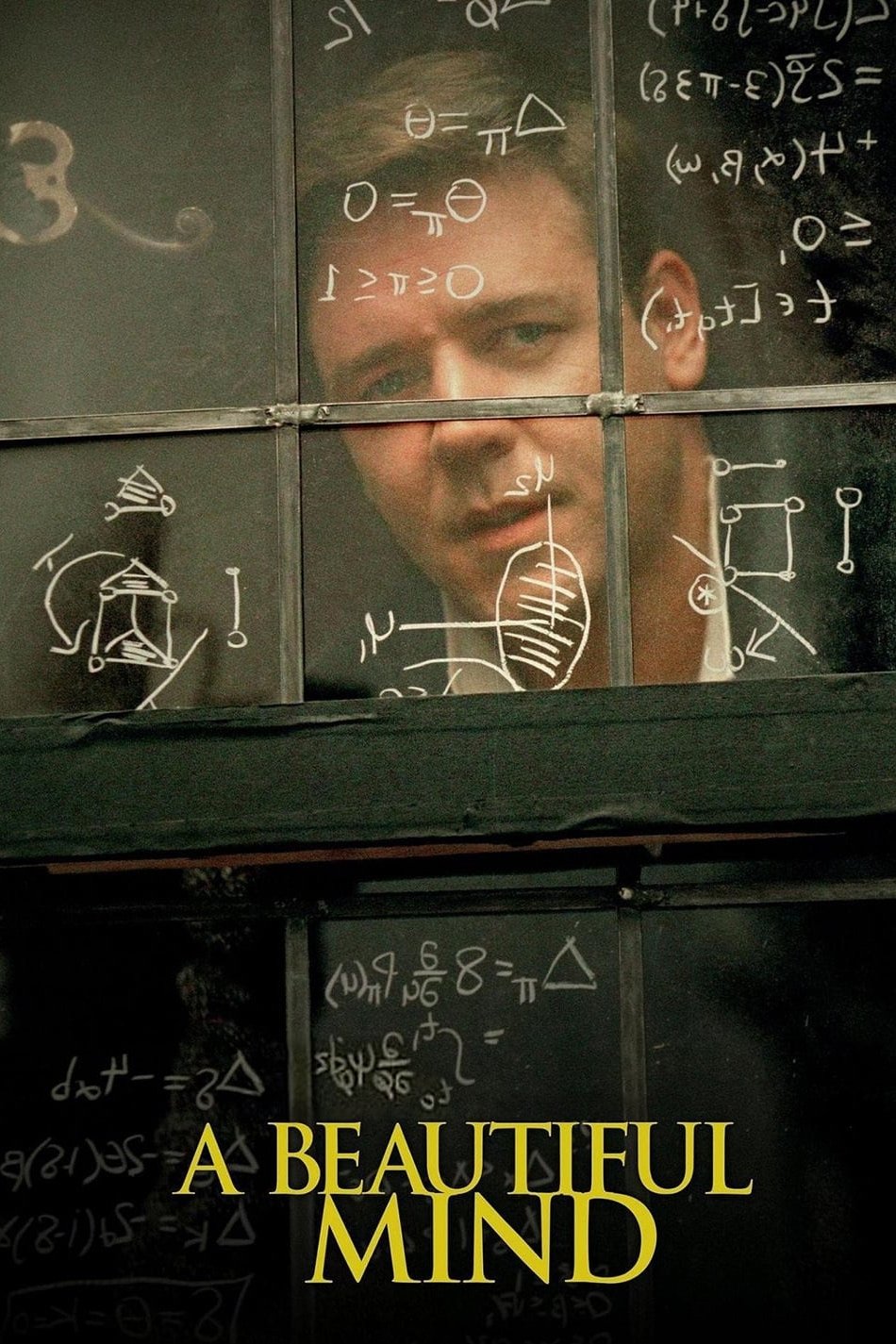
“A Beautiful Mind” earns a conditional recommendation for today’s audience. While the film offers compelling performances and an emotional journey, its pacing and approach aren’t always aligned with what modern viewers expect from dramas or biopics. Those who enjoy nuanced character-driven stories may find it satisfying, but anyone seeking fast-moving plotlines, sharp realism, or a fresh storytelling style might find parts of it slow or familiar. If you prefer impactful dramas that prioritize heart over style and don’t mind a deliberate pace, “A Beautiful Mind” could be a solid choice, but it isn’t essential viewing for everyone in 2024.
Pacing, Acting, and Storytelling by Today’s Standards
From a modern viewing perspective, “A Beautiful Mind” unfolds at a noticeably measured pace. The film invests time in establishing characters, university settings, and the personal struggles of John Nash, which means the first act can feel methodical, bordering on slow. Unlike contemporary screenwriting trends that move rapidly from one plot beat to another, this film relies on lengthy conversations and gradual reveals. Dialogue tends to be expository and, at times, theatrical by current standards, which might test the patience of viewers used to snappier exchanges.
Acting performances in the film are earnest and immersive. Russell Crowe takes an old-school, transformative approach, fully inhabiting the mannerisms of Nash. Jennifer Connelly supports the film with a grounded and emotionally sincere performance. The acting doesn’t feel overdone, but the heightened “Oscar-bait” style—in which dramatic moments are emphasized and showcased—can feel a bit obvious, especially to audiences attuned to naturalistic, understated performances now seen in many modern dramas.
The overall narrative structure is straightforward, tracking Nash’s academic rise, personal relationships, and mental health struggles in a mostly linear way. While the film does introduce some twists and moments of uncertainty, viewers today may anticipate these turns sooner because of their familiarity with similar storytelling devices. As a result, “A Beautiful Mind” sometimes feels more conventional than it did upon release, with plot progressions and emotional beats that come across as familiar, if effective.
What Feels Timeless — and What Feels Dated
- Timeless elements: The lead performances—especially Russell Crowe’s—still draw you into the story. The film’s emotional core, focused on perseverance in the face of adversity, hits genuine notes that can resonate regardless of generational trends. The underlying message about the power of human connection, and the supportive spouse role embodied by Jennifer Connelly, still carries weight on screen. Visually, the film utilizes a crisp, clean look without dated special effects, so it doesn’t suffer from poor aging on a technical level.
- Dated elements: The soundtrack’s swelling orchestration feels heavy-handed by today’s standards. The portrayal of mental illness is handled with a dramatic, “big moment” approach that doesn’t always align with modern expectations for subtlety and accuracy. Some biographical shortcuts and oversimplifications stand out; details are polished and dramatized in ways that current viewers may find inauthentic. The pace, stuffed with deliberate explanations and elbows to the audience about what to feel, can feel like it’s holding your hand through the experience. On top of that, the film’s reliance on “award season” optics, like grand speeches and sentimental crescendos, is more noticeable today and won’t connect with everyone.
Strengths and Weaknesses for Modern Audiences
The film’s greatest strength for a modern audience is its emotional accessibility. “A Beautiful Mind” doesn’t ask you to solve riddles or wade through ambiguity; its story is straightforward, and the character motivations are always made clear. The acting, particularly from Crowe and Connelly, provides a strong emotional anchor and avoids feeling forced, even if the performances are clearly shaped for broad appeal. The film wraps heavy subject matter in palatable storytelling, which makes it approachable for viewers who want a satisfying arc and investment in a central character.
However, for those who like challenging, layered screenplays or who enjoy contemporary pacing, the film’s weaknesses may quickly become apparent. The story moves methodically, occasionally sacrificing immediacy and tension for exposition and retrospection. Viewers used to modern shows and movies, which juggle plots and subplots in quick, punchy scenes, may find themselves checking the duration on their streaming device more often than the filmmakers would hope.
Moreover, “A Beautiful Mind” occasionally feels sanitized. Moments of mental health struggle are filtered through a glossy, Hollywood lens that prioritizes inspiration over nuance. This can dilute the impact and even come across as emotionally manipulative to some. If your preferred viewing involves raw, unfiltered realism—as seen in more recent drama or psychological movies—you may find yourself wanting a less polished, more authentic take.
On the accessibility front, the movie is straightforward to follow, so it doesn’t alienate anyone unfamiliar with academic or scientific contexts. It places all the information you need on the table—sometimes to a fault, if you prefer discovering plot nuances yourself.
Who Should Watch This Film Today?
If you appreciate sincere performances and movies that carry you along an emotional journey without demanding much interpretation, “A Beautiful Mind” remains a solid option. Those who gravitate toward inspirational true stories, biographical dramas, or films about personal perseverance are most likely to enjoy what this movie offers. It’s also an accessible watch for family viewing with older teens, as the content is thoughtfully handled, and the story is easy to follow.
On the other hand, viewers who crave innovative narrative technique, tight pacing, or honest, contemporary depictions of complex subjects will find “A Beautiful Mind” less compelling. If you’re sensitive to films that lean heavily into melodrama, use familiar storytelling shortcuts, or wrap tough material in an overly polished shell, this one may not satisfy you. Those looking for educational realism or psychological depth will likely be disappointed, and anyone wanting to “keep up” with the latest filmmaking trends or heightened visual styles can safely skip this title.
Ultimately, “A Beautiful Mind” fits best as comfort viewing for anyone needing a straightforward, uplifting story brought to life by committed performances. For film fans searching for something groundbreaking or pace-driven, it’s not the “must see” it once was.
🎬 Check out today's best-selling movies on Amazon!
View Deals on Amazon