
Does This Film Still Hold Up Today?
Thinking back to the first time I watched “Arrival,” I remember feeling suspended in that rare space between awe and frustration. Watching it again now, with a few more years of streaming, social media, and relentless content under my belt, I find “Arrival” isn’t as easy to recommend as its reputation might suggest. For today’s audiences, I would conditionally recommend this film—if you’re in the right mood and know what you’re getting into. It’s not a crowd-pleaser built for short attention spans or background viewing. Instead, I find it’s a film that still offers a singular experience, especially for viewers who want something a little more contemplative and demanding than what usually tops the trending lists. But I definitely don’t see it landing for everyone. If you’re chasing instant gratification, genre thrills, or just want a straightforward sci-fi fix, you might be left cold.
Pacing, Acting, and Storytelling by Today’s Standards
Rewatching “Arrival” now, I’m struck by how much patience it quietly asks for. In a time when even prestige films seem afraid to let a minute pass without a jolt of action or at least a witty quip, this movie actually challenges me to slow down. The pacing, by current standards, feels almost like an act of rebellion. Scenes linger on tentative gestures and unspoken moments. There are long, deliberate silences that dare me to stay engaged, without offering up quick answers or much in the way of spectacle. I didn’t find myself checking my phone constantly, but I definitely felt my urge to do so—a feeling that made me realize how little modern media asks for my full attention these days.
The acting holds up impressively well. Amy Adams’ performance as the linguist Louise Banks still feels nuanced and authentic to me. She never oversells the more emotional scenes, which is refreshing after so many lead roles in today’s films err either on the side of melodrama or self-aware irony. Jeremy Renner and Forest Whitaker, too, avoid the heavy stylization you might expect. Instead, their grounded approaches allow the story’s stranger elements to feel plausible for a modern viewer. Even with the film’s minimal use of humor, the performances never veer into stiff or outdated territory.
The storytelling, though, is a tough adjustment coming from the kind of films I usually find at the top of my streaming recommendations. The structure is deliberately confusing at first, and even knowing the trick it’s building toward, I caught myself feeling restless during repeated sequences or windswept exteriors where not much “happens.” The dialogue is dense and technical, yet mostly believable—I didn’t hear many cringe-worthy lines or outmoded idioms, but the terminology and delivery can feel a little clinical compared to the punchier, more meme-ready dialogue in more recent films. I feel like “Arrival” expects a lot of intellectual engagement and almost nothing for passive viewers, which is either admirable or alienating depending on what I want out of my movie night.
What Feels Timeless — and What Feels Dated
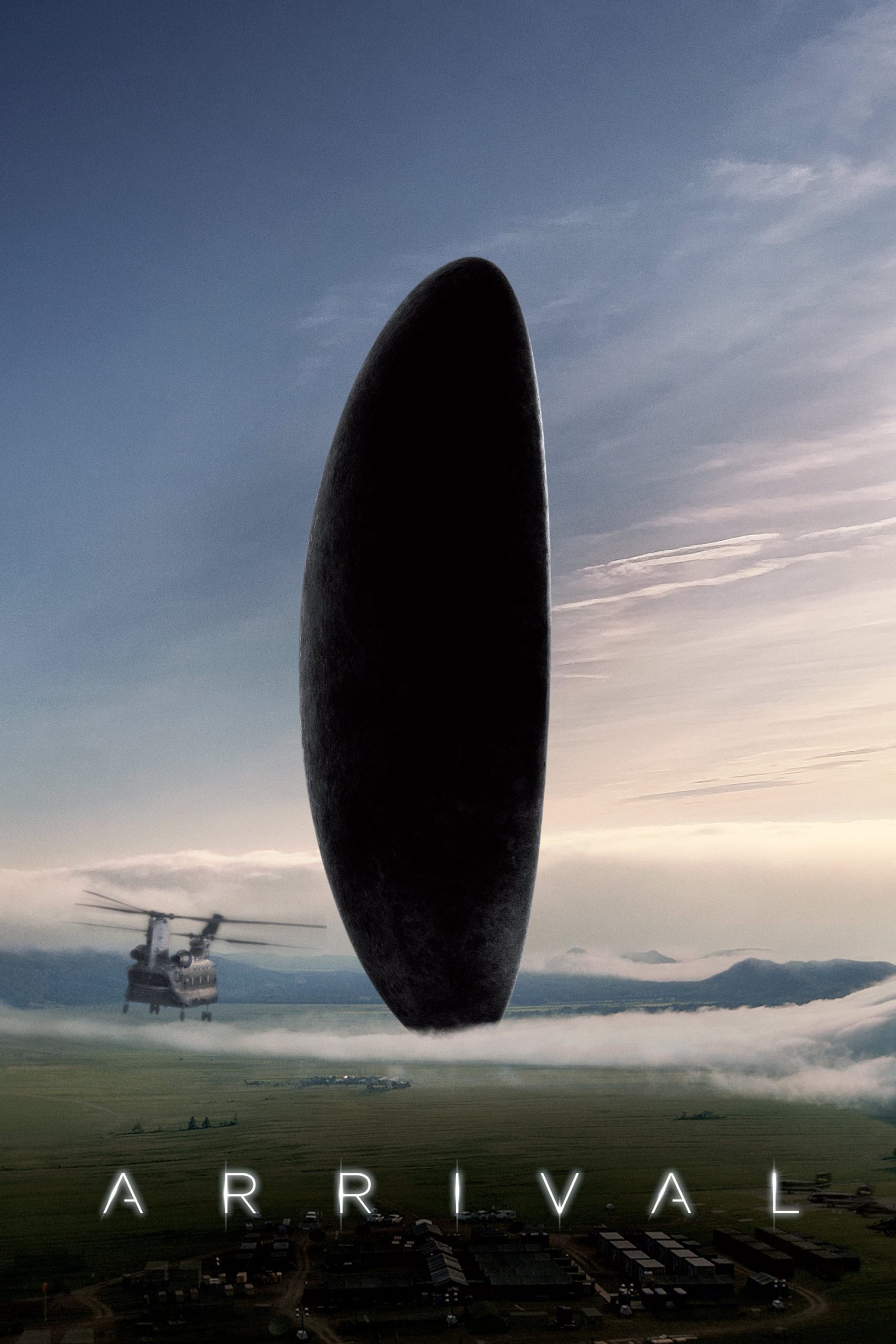
- Timeless elements: I still find the core of “Arrival”—its depiction of human attempts to understand the unknown—really effective for a modern viewer. The slow-building tension, the ambiguity, and the overall mood all hold up, especially if I’m looking for a break from the non-stop chaos of most modern sci-fi. The visual effects haven’t aged a day in my eyes; the alien ships, with their minimalist design and haunting gravity, look just as intriguing now as they did at release. The use of music and sound design feels subtle and fresh—no overblown score trying to dictate my emotions, just a steady build that actually enhances the mood. The casting still feels spot-on long after its debut. I also think the central emotional arc, hinging on loss, memory, and communication, has a resonance that doesn’t wane, especially post-pandemic, when communication breakdowns seem even more relevant.
- Dated elements: Oddly enough, what shows its age for me isn’t the film’s surface, but its pacing and, to some extent, its self-seriousness. Today’s films often balance big questions with levity or at least some narrative shortcuts, and “Arrival” barely gives me room to relax. The careful, slow-motion breakdown of linguistics can come across as almost indulgent by current standards. I also felt a bit exhausted by the lack of contemporary political awareness; some character dynamics and government responses feel simplified compared to the more cynical, layered stories I’m used to now. On a technical note, the look of some technology—phones, screens, news broadcasts—feels a bit trapped in the mid-2010s, not yet fully sleek and interconnected the way even streaming menus are now. Some of the film’s attempts at international tension come across as thin or generic rather than convincingly global to my eyes in 2024.
Strengths and Weaknesses for Modern Audiences
The biggest draw for me, even now, is how “Arrival” invests in mystery and emotion without falling back on clichés. I appreciate how it trusts me to keep up, offering breadcrumbs rather than hand-holding. For viewers ready to give their attention—actual attention, not half-watching while swapping screens—this film repays the investment with a payoff that feels rare in a media environment flooded with quick reveals and easily digestible plot twists. The fact that it maintains a sense of wonder about the unknown, both in its aliens and its premise, remains impressive on rewatch. I found myself genuinely interested in how the characters tried to talk to the visitors, and that’s not something I get out of most films about first contacts.
The emotional center is another strength that still lands for me. Instead of broad, manipulative melodrama, I get slow-burn revelations and genuine, understated pain. Amy Adams’ portrayal is subtle and moving, and the film’s structure eventually brings her character’s journey into focus in a way that feels earned rather than forced. It’s not often I’m surprised by the emotional direction of a film I’ve seen before, but “Arrival” manages to make its eventual revelations hit just as hard the second time around—if I’m willing to meet it on its terms. Compared to most offerings in the genre, I find the film daringly personal.
But those same strengths double as weaknesses for a modern audience. The pacing does border on glacial if I’m not in the right mood. There are stretches where even I, who pride myself on patience with “slow” films, started to glance at the clock. The dense, sometimes jargon-heavy conversations about linguistics and physics might be a non-starter for viewers who just want to be entertained rather than put to work. I also sensed a lack of contemporary cultural texture that made the world of “Arrival” feel just off—almost like watching a very pretty, well-made simulation of reality rather than something that speaks to my present experience. It sidesteps modern diversity in casting and social dynamics, which stood out more to me now than it did at first viewing. If you’re used to more modern, forward-thinking ensemble casts and intersectional storytelling, you might feel like you’re stepping back a little farther than you’d expect for a film made less than a decade ago.
Accessibility is another issue I can’t ignore. If you watch films with subtitles, “Arrival” won’t be especially challenging, but if you’re just looking for an easy, late-night movie you can half-listen to, you’ll almost certainly be lost pretty early. The sound mix is intentionally muted and minimalist, which might force you to crank up the volume to catch every word. The ambiguity of the ending, which I still like, may frustrate viewers who prefer clear resolution. There’s also virtually nothing here for genre fans who want big special effects or traditional blockbuster energy.
Who Should Watch This Film Today?
So, who do I think should actually carve out an evening for “Arrival” in 2024? If you’re someone who relishes quiet, slow-burning films—especially if you appreciate cerebral, emotionally driven stories—then you’ll probably still find this movie rewarding. It’s a good pick for fans of character-driven science fiction, or for viewers who like to spend time unpacking a film after it ends. If you’ve never seen it but loved more recent “serious” science fiction that asks questions instead of blasting answers, you might be pleasantly surprised.
On the other hand, if your movie nights are more about fun, energy, or collective excitement, “Arrival” is probably going to test your patience. I’d say to skip it if you’re looking for something light, fast-paced, or ideal for group viewing; the mood and pacing just don’t lend themselves to a shared, chatty experience. It’s also not ideal if you’re hoping for bombastic visuals or witty banter. If philosophical ambiguity isn’t your thing, or if you find yourself increasingly multitasking while watching movies, I doubt you’ll get much out of what “Arrival” has to offer.
Ultimately, my answer is that “Arrival” still has something special to offer modern audiences—but only if you approach it with open curiosity and let yourself sit in the uncertainty and quiet the film cultivates. In a time of overstimulation and relentless narrative efficiency, I actually find its slowness, patience, and lingering questions a rare treat—at least once in a while. Just recognize what you’re signing up for and decide honestly if that’s the movie you want tonight. When I’m in the right mood, I come away from “Arrival” feeling challenged, moved, even restored. When I’m not, it can feel like a beautifully made, oddly distant puzzle box. Take that for what it’s worth as you decide whether to stream or skip.
If you’re still deciding, you may also want to know how this film was originally received.
🎬 Check out today's best-selling movies on Amazon!
View Deals on Amazon