
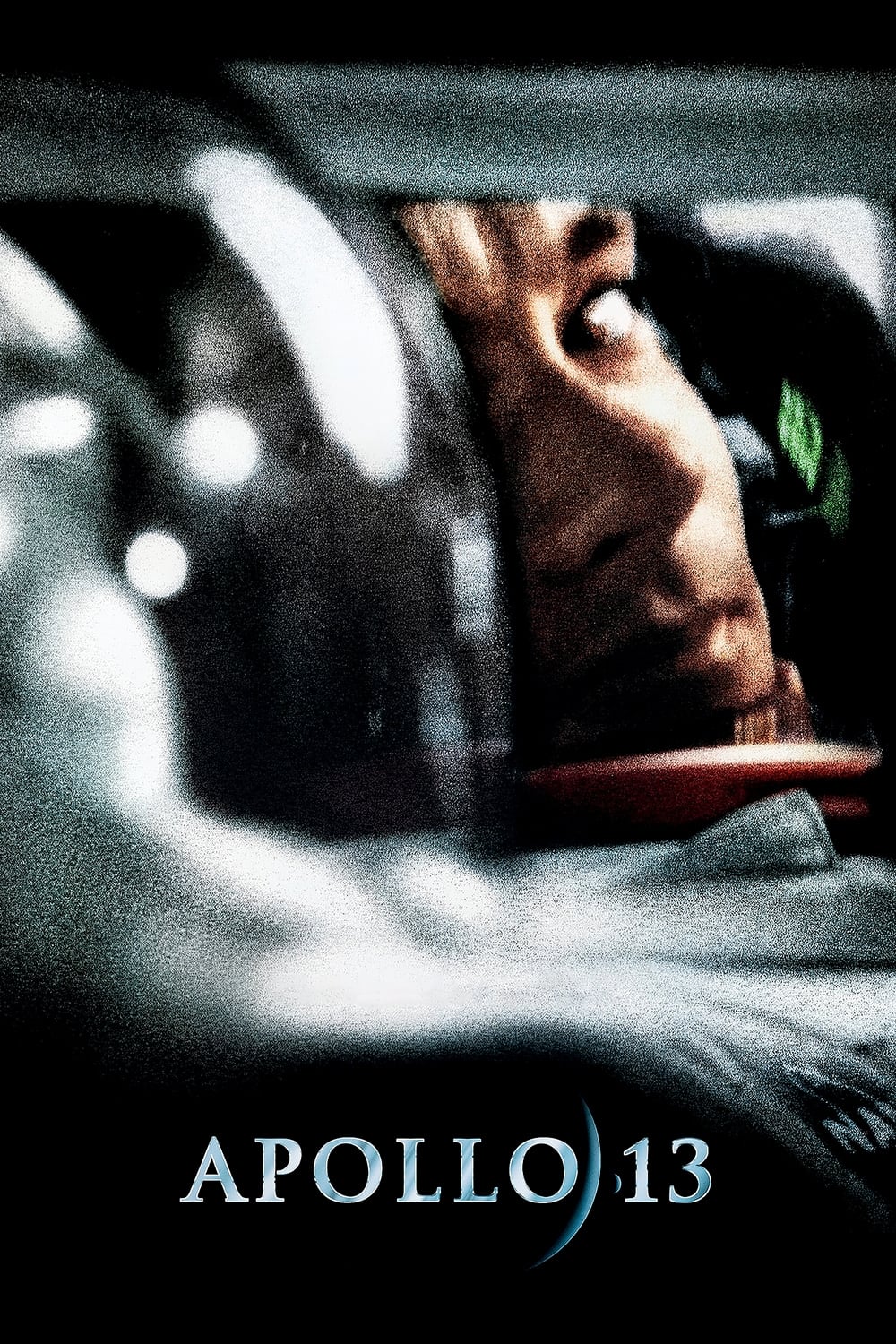
Does This Film Still Hold Up Today?
When I watched Apollo 13 again for the first time in years, it surprised me how differently I responded to it compared to when I first saw it as a teenager. This time, viewing it through my current lens—used to faster narratives, sharper dialogue, and a relentless pace—I found myself both impressed and tested in ways I hadn’t expected. I’d say this film is conditionally recommended for today’s viewers. If you like high-stakes drama with authentic performances and are willing to commit to a film that takes its time, you may find it engaging. But if you’re looking for something quick, with flashy visuals and immediately gripping characters, you might struggle to connect. The film’s slower burn means it isn’t for everyone in 2024, but it *can* be rewarding if approached with the right expectations.
Pacing, Acting, and Storytelling by Today’s Standards
I came in prepared for a classic confined-space thriller, the kind that gets labeled “gripping” in every retrospective blurb, but I didn’t expect to have to recalibrate my attention span so much. Compared to the snappy editing and ensemble chemistry we get in today’s best thrillers, Apollo 13 unfolds slowly and methodically. The opening act sets up both the family drama and the intricacies of space flight, but it does so in a way that sometimes drags. Conversations often linger longer than I’d want, with a lot of explanations and exposition. There were moments when I checked the time—something I rarely do if a film has me in its grip from the start. The tension builds, but only after a considerable investment.
With that said, I was genuinely drawn in by the performances—or maybe more accurately, by the restraint in those performances, an approach I don’t see as often these days. Tom Hanks anchors the film with an authentic, steady hand; he isn’t showy or melodramatic, and I respect that. Kevin Bacon, Bill Paxton, and Ed Harris each bring a slightly muted humanity to roles that could have become caricatures in a lesser film. The dialogue occasionally feels stilted, often sacrificing conversational realism for clarity’s sake. I’m used to sharper or more naturalistic exchanges, and so a significant percentage of the dialogue feels engineered to gently guide the audience through technical and emotional stakes, rather than letting us simply experience them. This isn’t a dealbreaker, but it’s noticeable.
The biggest adjustment was the pacing. Today’s films, especially those based on real-life disaster or survival, tend to streamline every beat and keep tension consistently high. Apollo 13 doesn’t. Early in the movie, there are long scenes with characters digesting information, pondering, and listening to news bulletins. These moments are an opportunity to sit with the material and the characters, but they also test the limits of my modern-day patience. Once the emergency itself kicks in, though, the narrative finds its momentum, and I found myself newly invested. Still, the overall structure is more procedural than urgent by today’s standards, and it can feel old-fashioned if you’re not in the right mood.
What Feels Timeless — and What Feels Dated
- Timeless elements: For me, what doesn’t age is the sheer tension of a disaster in space—and the sense of fragility that comes from being utterly isolated, light-years from help. The uncertainty is not dulled, even for someone who knows the outcome. The interpersonal restraint among the three stranded astronauts stands out as real; there’s camaraderie, but not the forced brotherhood that sometimes seeps into modern survival stories. Ed Harris’s performance as mission control’s anchor—firm, compassionate, but exhausted—is as effective today as ever. The film’s practical effects hold up surprisingly well; there’s no computer-generated spectacle to pull me out of the moment, and the zero-gravity shots still feel credible. The soundtrack, used sparingly, never overpowers the material, and James Horner’s score is subtle enough to feel classic without overwhelming scenes.
- Dated elements: I can’t ignore how much this film leans on exposition. There are long stretches where characters stop to explain their actions—sometimes for their own sake, sometimes for the audience’s benefit. Today’s movies often assume the viewer can keep up or do some of the work, but here the movie is careful, sometimes to a fault, not to lose anyone along the way. The pacing, especially before the crisis hits, is far too gentle for the attention economy I live in now. Family dynamics and side-plots are painted in broad strokes, occasionally bordering on cliché; I sensed these were meant to heighten the tension, but they often felt obligatory instead. Most notably, the film’s depiction of NASA as a nearly flawless institution (with only the gentlest of nods to human error or bureaucracy) comes across as sanitized compared to the rougher, more ambiguous characterizations we tend to see in contemporary dramas.
Strengths and Weaknesses for Modern Audiences
What I appreciate about Apollo 13, watching in 2024, is how immersive the film can be once you allow yourself to surrender to its rhythm. The authenticity and sincerity are undeniable. The production design, from cramped spacecraft interiors to the bustling mission control room, creates an almost tactile sense of place. If you’re someone who values resourcefulness in storytelling—not the latest digital wizardry—the film’s old-school craftsmanship might be a breath of fresh air. There are visual tricks (like the use of real weightlessness) that feel more immediate than slicker CGI-made environments.
But I have to be honest: the film’s deliberate pace won’t work for everyone. The first forty-five minutes may feel slow and over-expository. While the real drama does pay off in the end, that upfront investment is significant if your attention span has been honed by modern binge culture or action-packed streaming hits. There’s also a noticeable lack of bite in the characters’ interactions. Now, I know not every historical drama needs sharp dialogue or high drama, but for me, the earnest, almost reverent tone sometimes got in the way of a more grounded, relatable emotional experience. Emotional beats—like the anxiety of Jim Lovell’s family, or the friction between astronauts—felt just a little too on-the-nose, not quite as organically messy as I’ve come to expect in realistic survival stories.
The film’s accessibility is an interesting question. I didn’t need a deep interest in spaceflight or science to follow the story. However, the film does invest heavily in authenticity: acronyms, procedures, and more than a few impromptu technical lessons are sprinkled throughout. For some, this adds a refreshing realism. For others? It might be cause for distraction. If you’re hoping to be emotionally swept up from minute one, you may be left waiting. And even though the tension peaks in the final act, it never feels manipulative or cheap—which I can respect, even if it’s sometimes to the detriment of pure entertainment.
I can’t recall the last time a film took so much time to simply let experts work through a crisis. There’s no villain here; just people trying their best against impossible odds. If you’re worn out by convoluted plot twists, this straightforward, competence-based conflict could be a welcome change of pace. Then again, if you crave layers of psychological complexity—or moments where characters truly fall apart—you won’t quite get that here. The characters are composed almost to a fault, and there’s little in the way of dark humor or raw panic to puncture the tension.
Who Should Watch This Film Today?
If you’re someone who appreciates “process” movies, where the focus is on step-by-step problem-solving and teamwork under pressure, I think Apollo 13 is still a worthwhile choice. If you’re drawn to stories of grit and intelligence, and you don’t mind a steady, old-fashioned unfolding of events, there’s a lot here to enjoy. The movie rewards careful viewers who like to notice practical details, and who are willing to give it some patience before expecting fireworks. I found myself recommending it to friends who love a good crisis scenario, but who don’t mind taking the scenic route getting there.
However, if you tend to lose interest when a movie doesn’t hook you early, or if you prefer dynamic, charismatic, or highly unpredictable characters, this one might not be for you. Likewise, if you’re looking for a more personal, emotionally raw experience—where characters reveal flaws and lose control—Apollo 13 isn’t really designed for that. It spends more time showing calm professionalism than inner turmoil. I also wouldn’t recommend it for anyone after pure escapism; the film’s attention to realism and procedure demands a level of mental engagement that might feel like homework to the casual viewer.
Ultimately, I see Apollo 13 as a film for people who value authenticity, patience, and understated drama. I wouldn’t call it essential for everyone, but in the right mood, with the right expectations, it can still offer an absorbing and almost meditative viewing experience—something that’s becoming rare among contemporary blockbusters.
If you’re still deciding, you may also want to know how this film was originally received.
🎬 Check out today's best-selling movies on Amazon!
View Deals on Amazon