
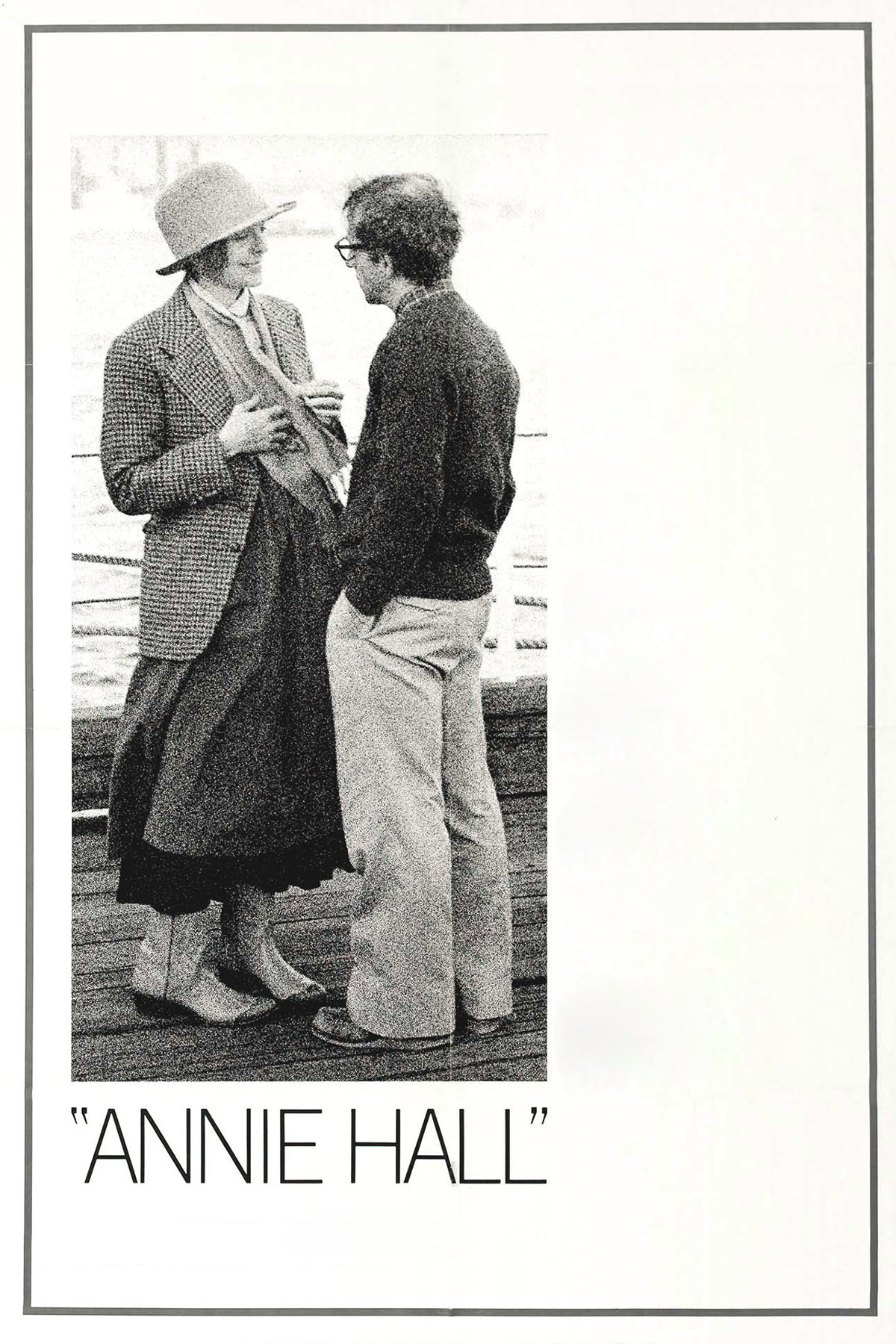
Does This Film Still Hold Up Today?
The moment I finished watching Annie Hall again with present-day eyes, I couldn’t ignore how differently it lands compared to the nostalgia-coated reverence I’d always heard described by older generations. If I’m speaking for a modern audience—people judging their entertainment by today’s standards and habits—I can’t give a sweeping recommendation. I’d call Annie Hall a conditional watch at best: it’s the kind of film I’d suggest only to those actively craving a distinctive voice-driven comedy with a sentimental edge, and who already have a high tolerance for uneven pacing and older social norms. For others, it’s as likely to test patience as reward curiosity, no matter how many classic movie lists it’s landed on.
My experience this time was much less about being swept away by its supposed wit and more about weighing whether its humor, relationships, and storytelling rhythms actually connect with the way people expect to engage with stories now. If you’re looking for something that still feels fresh, you’ll find flashes here, but they’re buried under a distinct sense of the era’s quirks. For me, it’s not a general crowd-pleaser in 2024; for many it’ll be more an academic curiosity than a must-stream classic.
Pacing, Acting, and Storytelling by Today’s Standards
I went in expecting “fast-paced” or “breezy,” since that’s what I assumed a classic romantic comedy must deliver. What I encountered instead was a structure that feels oddly meandering—as if I’m listening to someone tell a story at a dinner party who can’t stop tripping over tangents. The energy varies wildly: the beginning hooks with quirky monologues and awkward-deft banter, but soon the film’s momentum stutters. Annie Hall is packed with clever lines and rapid chatter, but that density can grow tiring; rather than creating a zippy flow, it stalled my emotional investment after a while.
I felt the weight of pauses and digressions, scenes that sprawl into neuroses and off-kilter flashbacks. These storytelling choices brought a self-awareness that can either charm or exhaust you. I often found myself waiting for a narrative drive that just refused to materialize—for something to propel me through, beyond the comedic observations. There are stretches where it almost becomes a stand-up routine trapped inside a romance, and while this type of digressive style was groundbreaking in its day, for my attention span it sometimes bordered on self-indulgence.
The acting mostly stands up, but the performances are less naturalistic than what I see nowadays, especially in the dramedy space. Woody Allen’s screen presence—neurotic, self-deprecating, and hyper-verbal—occasionally charmed me, but sometimes grew grating, like watching a dinner guest who doesn’t know when to let someone else speak. Diane Keaton, though, is genuinely magnetic; she’s the draw here, especially when she’s allowed to be offbeat and spontaneous. Still, their chemistry felt more eccentric than emotionally gripping, and I struggled to care deeply about the outcome of their relationship.
I’m used to movies where emotional beats build naturally and scenes punch through, but here too many moments dissipate into cleverness or detours for side commentary. The candid voiceovers, split-screen gags, and fourth-wall swings probably kept this feeling experimental decades ago, but now they’re as likely to feel gimmicky as innovative. To sum up, watching with my 2024 brain, I found the storytelling clever but not immersive—frequently diverting, rarely affecting.
What Feels Timeless — and What Feels Dated
- Timeless elements: I still found the awkwardness of dating and breakups strikingly relatable, especially the way small relational details become huge in hindsight. Diane Keaton’s mannerisms and comedic timing feel as authentic and appealing today as they ever did. Certain moments of dry, observational humor about urban relationships could be slipped into conversations now with little revision. The honest portrayal of vulnerability—especially in fleeting moments of self-doubt and overthinking—rings true for anyone who’s tried to connect in an uncertain world.
- Dated elements: The fashion, the urban elitism, and the constant New York in-jokes make this feel like a love letter to a lifestyle that’s not only time-stamped but aggressively niche. Jokes and storylines relying on outdated gender and cultural references often fall flat or even feel uncomfortable; I couldn’t help but notice how much of the humor presumes you relate to a certain upper-middle-class neurotic worldview, and how uninviting that is for a broad swath of viewers. There’s a persistent air of self-absorption that reads less like candor and more like navel-gazing. The pace, too, is a relic: those heavy digressions and languid scene transitions strain patience when I’m used to tighter, leaner storytelling.
Strengths and Weaknesses for Modern Audiences
When I force myself to ignore the classic status and just assess my own attention and empathy levels, I’m left with a deeply mixed feeling. Strength-wise, there are flashes of comic brilliance—little tossed-off lines and mannerisms that made me laugh out loud in unexpected ways. I appreciated the way it lets conversations unfold in all their awkwardness; those who crave authentic-feeling dialogue (not just glossy banter) will probably feel at home. Diane Keaton’s performance held my attention, not only because of her charm, but because she radiates uncertainty and confidence in equal measure.
But the weaknesses were just as apparent. I found my focus wandering during long monologues or fourth-wall asides that break up the action; sometimes it felt like the movie was in on a joke I wasn’t entirely party to. For today’s viewer, I think you have to work harder to stay engaged with the story—the stakes are smaller, the emotional crescendo is muted, and the payoff for paying attention can feel meager if you’re expecting big narrative arcs or clear romantic resolution. Also, accessibility is a real issue: much of the humor is built on verbal complexity or references particular to its era, which may not land for younger viewers at all. The relationship dynamic, centered so heavily on a neurotic, self-obsessed male protagonist, is a mold I’ve grown tired of, and which feels increasingly archaic after the explosion of more diverse, self-aware romantic comedies in recent years.
I also noticed that Annie Hall doesn’t bother much with inviting you inside unless you’re already on its wavelength—the architecture of the city, the cultural touchstones, the off-kilter pacing all signal a self-satisfaction that’s rare in more inclusive modern movies. There isn’t much hand-holding. That can be a strength, if you relish the feeling of being dropped into a fully-formed world—but I often felt like an observer, not a participant.
The emotional engagement is limited, largely by the film’s ironic tone; I sometimes wanted the characters to step out from behind their comic personas and just connect, or let pain register without a punchline. It’s this emotional reserve that ultimately makes the story less accessible to those wanting a romantic comedy with emotional impact, not just quirks.
Who Should Watch This Film Today?
I think Annie Hall still has an audience today, but it’s not as wide as some would have you believe. If you’re someone who loves character-driven dialogue, deadpan humor, and an offbeat, meandering narrative structure—especially if you already seek out older movies—then you’ll probably enjoy the film’s idiosyncratic style. Anyone curious about the evolution of the romantic comedy will probably find something interesting here, if only as a counterpoint to the genre’s modern iterations. Fans of Diane Keaton, in particular, will get a kick out of seeing her in one of her defining roles, and those invested in cinematic experiments (like monologues to the camera or non-linear storytelling quirks) will find a bit to admire.
If you’re all about story momentum, tightly plotted arcs, or relationship dynamics that reflect today’s emotional realities, I’d advise skipping it. Younger viewers, or anyone new to classic comedies, might come away puzzled by why this was ever considered cutting-edge. If you have little patience for self-consciously witty repartee, or you want romantic films to steer clear of self-absorption and dated gender politics, then watching Annie Hall will likely feel more like homework than entertainment. For most casual viewers—those just looking to catch up on “the classics”—I’d say there are better, more rewarding starting points elsewhere.
Ultimately, my take is this: Annie Hall is still worth trying if you’re hunting for a slice of oddball romance filtered through dense, neurotic humor and are ready to forgive slow patches and social blind spots. But if you’re not immediately hooked by its first 20 minutes, you can move on—its biggest pleasures and its biggest flaws are both on full display from the jump. As a record of a particular comic sensibility, it’s unique. As a satisfying watch for general audiences today, it’s probably more of a niche artifact than an evergreen crowd-pleaser.
If you’re still deciding, you may also want to know how this film was originally received.
🎬 Check out today's best-selling movies on Amazon!
View Deals on Amazon