
Why This Film Is Revisited Today
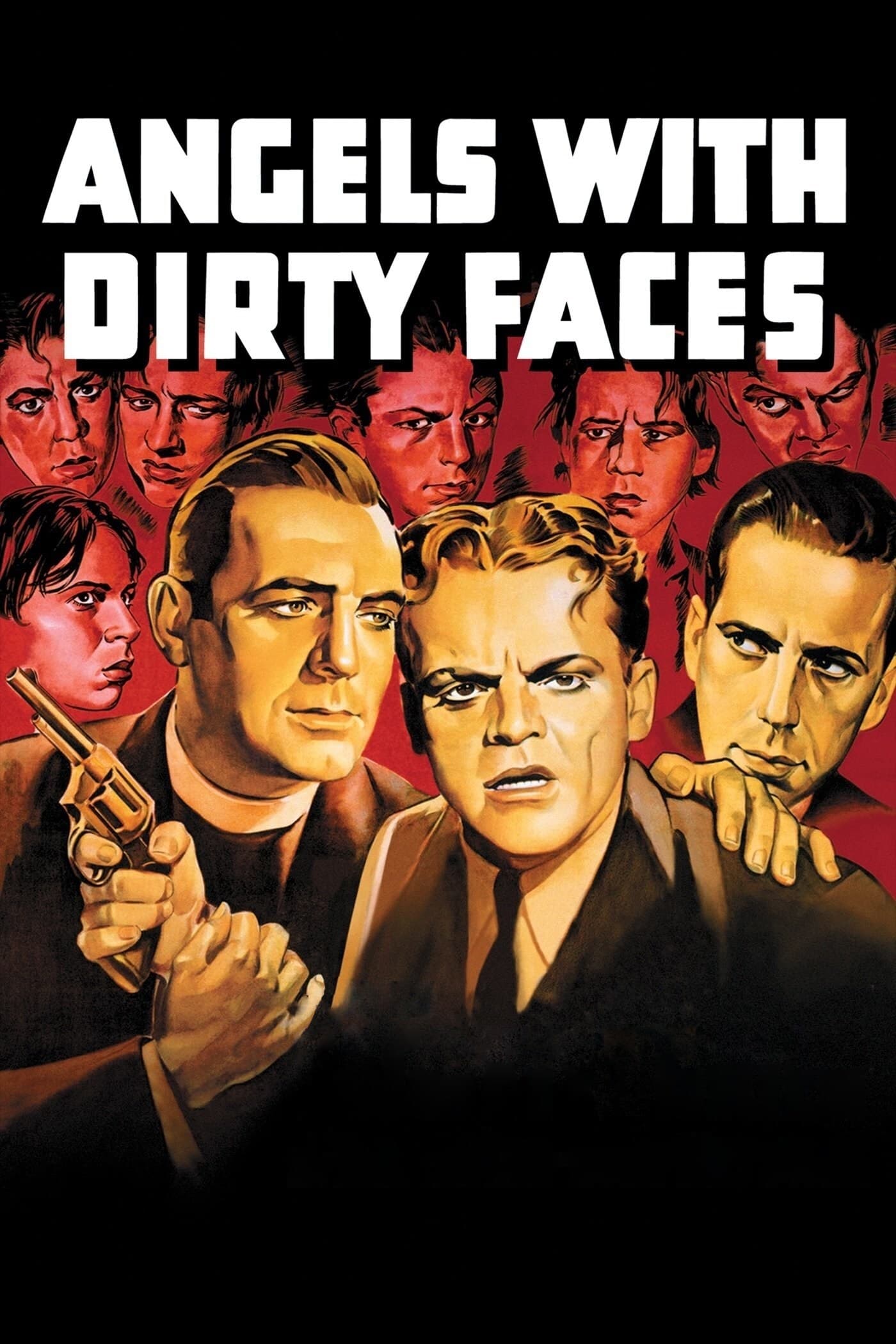
Whenever I run across old Hollywood gangster films, “Angels with Dirty Faces” almost inevitably pops up as a point of curiosity—or even controversy—far beyond its decades-old origins. Personally, I first came to it not through film school or any sense of history, but because a streaming thumbnail featured James Cagney’s intense expression, promising something tough and kinetic. Today, this particular film still circles through conversations on social media and appears on curated lists precisely because of its legend status more than its details. I find that a lot of people stumble upon it while hunting for the roots of the American crime drama or because they hear that it’s “the one with that ending.” Pops of interest on Letterboxd and debates on message boards show that new generations keep returning with fresh eyes—even if just to see what all the fuss is about.
Cultural conversations matter, too. Whether it’s the movie’s implication in setting some of the gangster film’s early blueprints or because modern creators and fans reference it, there’s something sticky about it. When I scroll through recommendations today, films like this often surface alongside more modern titles, asking us to compare legacies: “Is this where the ‘bad guy with a heart’ trope started?” And as I see it, there’s also a curiosity about the ways older films handle morality or depict urban youth, especially among viewers looking to understand how those narrative patterns echo in contemporary stories.
There’s no ignoring that publicity around classic films—restorations, Blu-ray releases, or anniversary features—keeps them cycling through the zeitgeist. For me, it’s not about nostalgia; rather, there’s an underlying question: does a film that’s so relentlessly cited in pop culture still electrify, unsettle, or provoke, or is it now no more than a cinematic time capsule watched more for its reputation than substance? That’s the question I bring to “Angels with Dirty Faces,” and I sense I’m far from alone.
What Still Works for Modern Viewers
When I strip away everything I’ve heard about “Angels with Dirty Faces,” focusing solely on the moment-to-moment experience, a few elements still land powerfully on a modern palate. First and foremost, James Cagney’s performance feels surprisingly contemporary—there’s a twitchy electricity to his delivery and body language that makes even old-fashioned dialogue feel urgent. Watching Cagney, I didn’t see a relic but someone whose vulnerability and menace would not be out of place in an indie drama today. It’s one of those rare cases where an actor’s charisma breaks through the black-and-white film stock, transcending generational gaps.
I also find the camera work and composition unexpectedly sharp. Yes, a lot of the scenes are static by modern action standards, but there’s a carefully controlled tension in how many sequences are blocked and shot. The director’s choices with shadow, framing, and close-ups bring a surprising level of intimacy. In a world of handheld, hyperactive cutting, I’m struck by how deliberate and atmospheric so much of this feels. Sometimes, slowness can equal suspense, something modern films often forget.
Another area that still resonates: the gritty emotional stakes. The film roots its tension in relationships rather than spectacle, and for all the clichés it has inspired since, I still sense a real pulse in the way these characters struggle with loyalty, shame, and ambition. The best exchanges—especially between Cagney’s Rocky and Pat O’Brien’s Jerry—crackle with a sense of unspoken history, a kind of mature, weather-beaten friendship I rarely see rendered so bluntly now. The movie isn’t afraid to base its drama in tough ethical choices instead of fists or firearms. This willingness to linger in gray areas, even if delivered in period vernacular, holds its own beside more ironic or morally ambiguous contemporary fare.
Finally, I’m continually impressed by the cumulative emotional impact the film manages to achieve by its conclusion. Even if the story’s structure now feels familiar (because of how many films have borrowed from it), the catharsis lands. I chalk this up to the film’s refusal to blink in its final moments, something that’s both braver and more affecting than a lot of modern crime dramas that wrap things up with a wink or a sequel hook. If a film can still tighten my chest after eighty years, it’s doing something right.
What Feels Dated or Challenging Today
There’s no dancing around the fact that “Angels with Dirty Faces” is a product of 1938—and as a modern viewer, I feel those temporal boundaries right from the start. The pacing is, to put it gently, unhurried by today’s standards. Scenes that should be tight with tension sometimes meander, lingering on exchanges or gestures far beyond what contemporary cutting would allow. If I’m being honest, my attention sometimes wandered, especially in the film’s quieter beats. The urge to check my phone or fast-forward became tough to resist, a problem I rarely have with well-paced modern crime dramas.
Equally, the presentation of street youth and authority figures strikes my ear as theatrical, even cartoonish. As someone attuned to the subtleties of modern acting, I occasionally find myself pulled out by the broad, almost vaudevillian delivery of the supporting cast—especially the Dead End Kids. For viewers used to understated, naturalistic performances, the bravado here borders on parody, and I imagine this could be a major barrier to immersion.
It’s impossible not to mention the film’s approach to representation and social values. From a present-day perspective, the near-total absence of significant female characters or diversity leaps out. Roles for women in the film exist solely on the fringes, mostly as emotional foils or plot motivators rather than real participants. Likewise, the world it paints is overwhelmingly white and male, which—even accounting for studio-era restrictions—limits the story’s relevance to today’s more varied audience.
Dialogue and morality can also feel creaky—there’s a near-puritanical sense of cause and effect behind the film’s message. Modern storytelling tends to embrace ambiguity and complexity, while “Angels with Dirty Faces” sometimes hammers its points with a didactic bluntness I now associate more with vintage educational films than grown-up drama. The climactic moments, in particular, are constructed to deliver a clear moral takeaway, which feels a bit like being lectured when I’m more accustomed to nuanced explorations of right and wrong.
Last, I find the film’s sound design and technical execution inevitably reveal their age. Dialogue occasionally gets lost in the mix, and action beats lack visceral punch compared to what I expect from even a modestly budgeted thriller today. For those of us used to immersive, polished soundscapes and dynamic camerawork, these limitations can at times sap tension or emotional bite.
How Modern Audiences Are Likely to Experience This Film
If I project myself onto various types of today’s viewers, their experience really hinges on mindset and film literacy. For younger audiences or those whose only exposure to black-and-white films comes through memes and TikTok clips, I suspect the movie’s rhythms will feel challenging, if not completely alienating. There’s little of the sensory overload or instantly-accessible plotting that marks modern entertainment—watching this film is a slow burn, with periods where not a lot “happens” by current standards. If you’re someone whose finger hovers near the fast-forward slider, this might try your patience.
On the other hand, viewers accustomed to classic cinema, or those who actively seek out “film history homework,” may find ample rewards. If I approach the movie as a template for subsequent gangster films, its ideas and images snap into place. The dialogue, while stiff by contemporary standards, reveals a certain muscularity that has echoes in present-day scripts—think Tarantino or Scorsese, but in a more stripped-down, proto-form. So, cinephiles or those eager to connect the dots between eras will likely find the experience more enriching than grating.
Sensitive modern viewers might also snag on the representation gap or the dated moral messaging. If your tastes run toward layered female or minority characters, or you want to see current social themes explored honestly, this film may leave you wanting more, or worse, feeling a chasm between your world and the one onscreen. Personally, I notice my own sense of alienation when the film sweeps its supporting characters aside so briskly.
Some might approach the film with curiosity about its emotional punch or notorious ending—after all, memes and movie-reference culture have given parts of it a second life. For these viewers, I think the directness of the climactic scenes might actually jolt, even if the path there feels rusty. I find that the film’s most iconic moments take on strange new meanings in a world of spoilers and secondhand cinema literacy—sometimes, seeing “the real thing” after so many references can be more dissonant than revelatory.
Frankly, attention span is the great determining factor here. If you’re able to let the film work on you, adjusting your expectations from jump-cut TikToks to steadier pacing, there’s still emotional return to be had. If not, you may find yourself checking the runtime, waiting for the mythology to meet the moment.
Final Verdict: Is It Still Worth Watching?
As someone who’s experienced “Angels with Dirty Faces” without rose-colored glasses and with a firm grounding in what modern movies can do, my take lands somewhere in the middle—not a blanket recommendation, but not a dismissal, either. If your interest in film goes beyond pure entertainment, if you’re curious about where some of today’s themes and archetypes were hammered out, the movie matters. Cagney’s performance especially still pops, proving that raw magnetism can survive any stylistic change or technical limitation.
However, if you rely on films for escapism, thrills, or a sense of contemporary social resonance, this title may now read more as an artifact than immediate drama. It’s best approached with a willingness to engage not just with the story, but with the form—a kind of cinematic archaeology that rewards patience and open-mindedness. The moral simplicity, stylistic excesses, and lack of broad representation make it ill-suited to viewers who want their entertainment to reflect modern realities.
Personally, I find the film invaluable as a touchstone and as a piece of ongoing cultural dialogue. Watching it today, I’m less invested in suspense or surprise and more likely to reflect on how movies used to argue morality, how actors embodied toughness without irony, and how even seemingly outdated stories flicker with moments of real emotional heat. “Angels with Dirty Faces” is still worth watching, but only for those prepared to meet it on its own terms, with an awareness of its limits and an eye toward its remaining sparks of greatness. For most, it’s a measured experience—not a necessity, but a revealing side trip through the roots of a genre that still shapes what’s popular, controversial, and iconic right now.
For viewers curious about authenticity, exploring the film’s factual basis may be useful.
🎬 Check out today's best-selling movies on Amazon!
View Deals on Amazon