
Why This Film Is Revisited Today
Whenever I spot “An American in Paris” circulating on social media or trending among classic film lists, I’m reminded of how certain movies never entirely fade from collective consciousness. I see people today approaching this film less for its plot than for the sheer mythic status it occupies in pop culture—whether due to Gene Kelly’s legendary choreography, the film’s lasting impact on cinematic musicals, or the way its vibrant technicolor still pops out on streaming thumbnails even among more contemporary titles. What catches my attention is the range of contexts in which this movie resurfaces now: music students dissecting its Gershwin score, film buffs drawing it into conversations about Oscars history, or newer audiences simply looking for a “classic” to fill a gap in their cinematic education. There’s also an undeniable curiosity among some modern viewers as to whether these famous, iconic works are genuinely enjoyable or if their reputation carries them more than their substance by today’s standards. The massive availability of older films on streaming platforms puts “An American in Paris” into casual reach—no more digging through VHS tapes or late-night TV guides. I realize, too, that the musical genre itself has been revived and reinterpreted so often (think of modern reinterpretations like “La La Land”) that settling down with a 1950s example becomes both a point of reference and an experiment in understanding how the form has transformed. For me, the way it continues to pop up in discourse, despite generational turnover, says something about its lingering influence—and perhaps also about our periodic desire to judge “the classics” against present-day sensibilities.
What Still Works for Modern Viewers
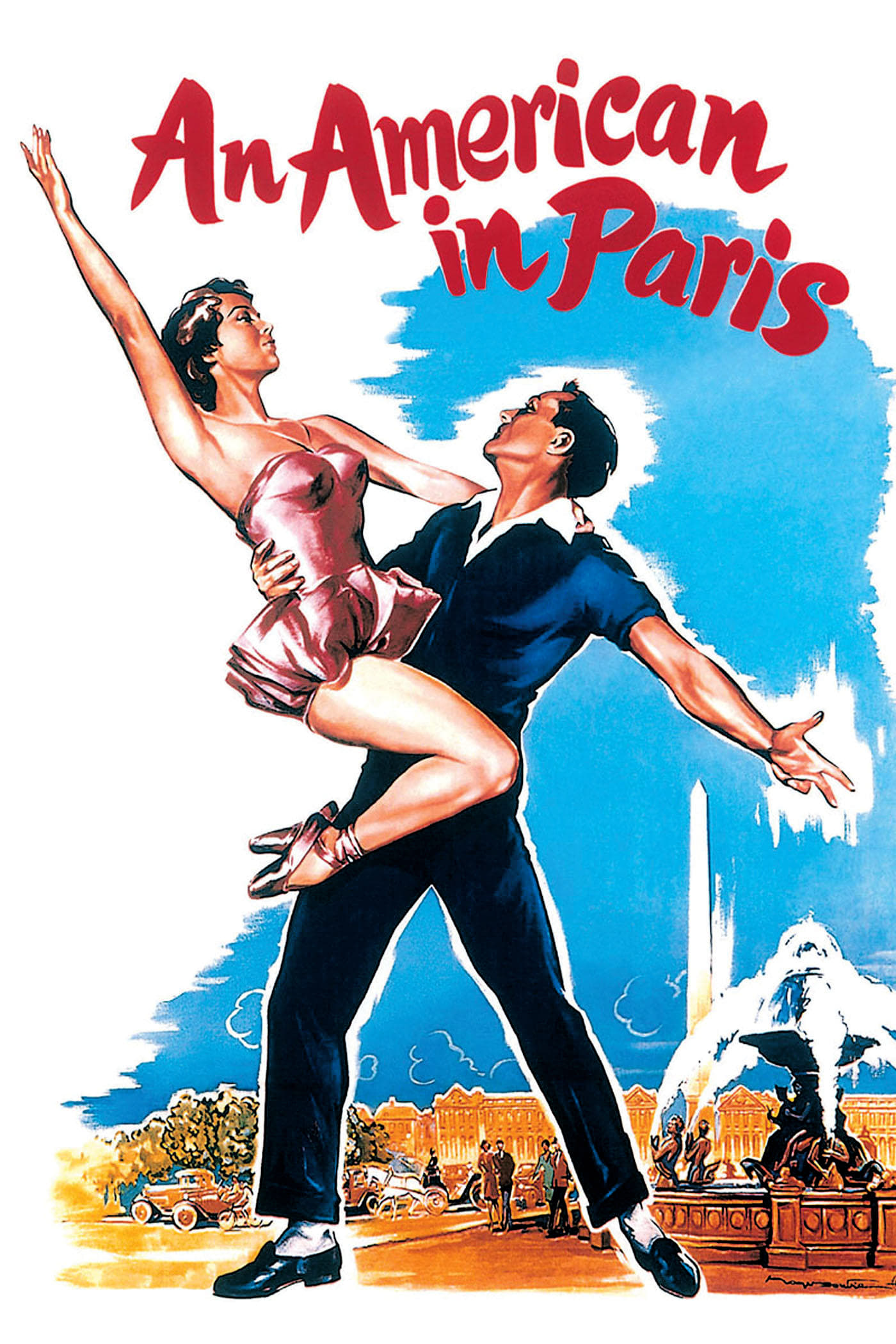
When I revisit “An American in Paris” now, I’m struck by certain elements that refuse to feel outdated no matter how times change. For one, the visual spectacle really holds its own—those saturated colors and energetic set-pieces have a transporting effect, especially when so many modern films favor muted palettes or digital environments that somehow feel more artificial. Gene Kelly’s choreography is impossible for me to view with indifference: it’s intricate but never showy just for the sake of it, and there’s a physicality in his movement that radiates joy and discipline at the same time. I notice, too, how the film’s musical numbers manage to be both whimsical and technically dazzling—the climactic ballet sequence, for example, still gives me a sense of artistic ambition rarely matched in recent musicals outside of Broadway adaptations.
The film’s craftsmanship jumps out at me most during transitions: seamless cuts from elaborately staged dream sequences to grounded urban atmospheres, or clever uses of Parisian backdrops that evoke both nostalgia and a kind of fantastical escape. Even today, the ambitious way the final ballet stitches together music, dance, and visual storytelling is compelling—I find myself admiring the audacity of mounting a 17-minute abstraction in color, sound, and motion, especially when most studio pictures now are pressured to trim anything “extraneous.”
Irrespective of era, there’s something to be said for the way the film wears its emotional stakes on its sleeve. The dialogue, while stylized, doesn’t attempt the sort of rapid, wisecracking pace some modern viewers crave—it’s more expressive than realistic, but that opens up an earnestness that’s surprisingly affecting if you’re willing to engage with it on those terms. I appreciate that the film never tries to undercut itself with irony; instead, it seems to trust its audience to meet sincerity with sincerity, and that’s a refreshing change from the cooler detachment of many contemporary productions. The chemistry between Kelly and Leslie Caron has a palpable, if somewhat theatrical, spark. The camera lingers on moments of longing and celebration in a way that—if you let it—can still pull you in.
What Feels Dated or Challenging Today
While revisiting “An American in Paris,” I can’t help but confront aspects that stick out uncomfortably from a modern perspective. The script’s depiction of relationships often walks a fine line between old-fashioned and uncomfortably retrograde—the male pursuit of the female lead (and how she responds) feels out of sync with current expectations for agency and reciprocity. I’m often left with the impression that the story assumes a heteronormative, male-centered lens, one that can make its courtship rituals seem more like a relic than a romance, especially when contrasted with the multilayered character work found in modern romances or musicals.
Pacing is another hurdle. At times, the film’s leisurely progress tests my patience; long set-pieces, especially the extended fantasy ballet finale, risk wearing out their welcome unless I’m in a specifically attentive mood. It’s easy to admire the choreography, but without plot momentum to anchor it, I find myself drifting—something today’s rapid-fire editing and plot-driven musical numbers have all but eradicated. The dialogue, while charming in stretches, can sometimes feel ponderous or arch, lacking the snappy realism that has come to dominate modern scripts. And for viewers already wary of mid-century musicals, the degree of earnestness, bordering on naivete, might tip from charming to alienating.
Representation is yet another area where the film’s age is obvious. Paris is rendered through an unproblematic, fantasy lens—one that’s almost entirely white, quaint, and classless. The city appears less an actual place than an idealized backdrop, and while that worked for the film’s original context, it clashes with a contemporary desire for more textured, inclusive depictions. The few supporting characters don’t break out of well-worn archetypes, and there’s not much in the way of diversity of perspective or background for modern audiences interested in more than the problems of youthful, attractive artists.
Technical limitations, though part of the film’s original charm, can also be jarring: musical numbers are clearly marked by visible cuts, with less sophisticated camera movement or special effects than most younger viewers are used to. If you’re accustomed to the fluidity and polish of post-2000s cinematography, the artificial sets and stylized lighting may feel less immersive and even somewhat stagey. I also bump up against the film’s tone, which sometimes seems to demand a degree of buy-in from the viewer that’s hard to muster without an appreciation of the genre or the period. Those with limited patience for melodrama or highly orchestrated musical moments may find the format alienating, or even unintentionally comedic.
How Modern Audiences Are Likely to Experience This Film
Every time someone asks me whether an older movie like “An American in Paris” is accessible to today’s audiences, I think about the broad range of habits and expectations people bring to viewing experiences now. If you’re someone who’s grown up with streaming, on-demand content, and personalized recommendations, sitting through a nearly two-hour musical with slow-burning character arcs and extended dance interludes is bound to feel different—maybe even daunting. For viewers with shorter attention spans, or a craving for high-concept plot twists and constant sensory engagement, there’s a real possibility the film will feel sluggish, even tedious in stretches. You’re asked to meet the movie on its terms, and that’s not a casual commitment when the prevailing culture leans toward multitasking or quick distractions.
However, I notice that musical fans—especially those who love seeing choreography and costuming given room to breathe—can still find something exhilarating here. If you come with any interest in dance, or if you’re curious about the roots of large-scale musical storytelling, there’s a sense of watching an ambitious experiment play out that’s hard to match. Younger viewers with little exposure to classic Hollywood might see the film’s bright color palette and larger-than-life performances as a novelty—amusing, sometimes even charming in their sincerity, but at risk of being filtered through an ironic or detached lens. For some, it becomes more of an academic exercise or a litmus test: can I appreciate a “classic” that’s out of step with my usual entertainment diet?
For audiences interested in nostalgia—or, more accurately, the preservation of a certain cinematic tradition—the film can be a touchstone. But I find that kind of engagement is less common among Gen Z or younger millennials unless they have a specific passion for film history or vintage aesthetics. If you’re looking for nuanced portrayals of romance, sharp modern dialogue, or a story that acknowledges complexity in relationships or identity, you might come away disappointed. Still, for those willing to suspend expectation and open themselves to so-called “pure” spectacle, the emotional directness can prove surprisingly moving. Watching it in a group can provoke discussion—sometimes even laughter at unintended moments—which turns the experience into a kind of communal time travel.
Ultimately, I think your mileage with “An American in Paris” depends on your willingness to slow your pace, relish the craft, and meet the film on its own extravagant, idealistic level. If you’re the kind of viewer who needs complete immersion or resists artificiality in storytelling, the film is a tougher sell. But if you can enter with curiosity, or if you’re seeking to understand the milestones that shaped the musical form, it can still deliver stretches of delight and artistic awe—at least in select moments.
Final Verdict: Is It Still Worth Watching?
As someone who cares deeply about how films age and what they offer to new generations, my answer is nuanced. “An American in Paris” remains worth watching, but with caveats. I personally wouldn’t recommend it for the average viewer seeking quick thrills, sharp realism, or emotionally layered storytelling that acknowledges our present-day social complexities. For that audience, there’s a significant adjustment period—one that not everyone will find rewarding. However, if you have an interest in the development of movie musicals, if you value the artistry of choreography and classical film scoring, or if you’re simply open to seeing how spectacle and sincerity once defined mainstream cinema, then the movie offers enough highlights to justify a watch.
My experience is that its best moments come not from its plot or character arcs, but from the exuberant craft on display—the sweep of a camera through a riot of color, the precision of Kelly’s movement, or the sheer oddity and ambition of dedicating nearly a fifth of the film’s runtime to wordless dance. It isn’t timeless in every respect, and it certainly asks more of modern viewers than many recent musicals do. Yet if you’re the kind of person who’s willing to enter a time capsule and watch artists stretching the limits of their medium, there’s satisfaction (and sometimes frustration) to be found.
So yes, I think “An American in Paris” has relevance—mainly for adventurous viewers or those with a vested interest in the evolution of film. It offers pleasures, creative risk, and the weight of cultural legacy, but those pleasures have to be pursued on the film’s own terms. For me, that’s enough to say it remains worth a look, even as its limitations lose it some of the universal appeal it once claimed.
For viewers curious about authenticity, exploring the film’s factual basis may be useful.
🎬 Check out today's best-selling movies on Amazon!
View Deals on Amazon