
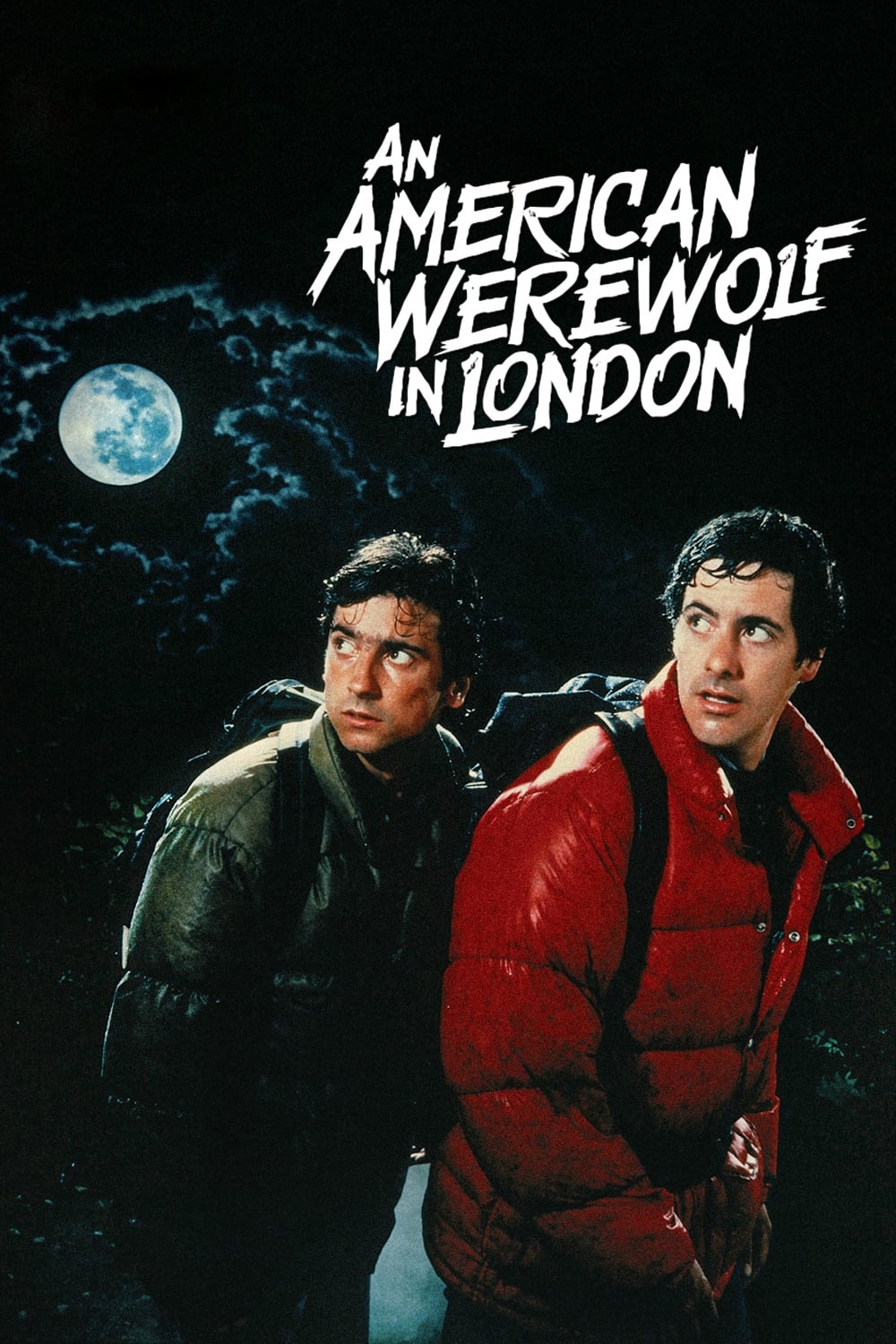
Does This Film Still Hold Up Today?
Every time I return to An American Werewolf in London with modern eyes, I’m pulled in two different directions. On one hand, there’s a chunk of me that loves how unpredictably the movie lurches between horror and comedy, but on the other, I still wrestle with whether its shaggy pacing and genre-blending approach feel fresh or just awkward by today’s standards. For a viewer used to today’s straight-to-the-point horror or tight comedic thrillers, An American Werewolf in London might come off as erratic, sometimes even uneven. That said, I do think there’s enough intrigue, audacity, and genuine weirdness that I’d conditionally recommend it—especially for people interested in effects-driven horror or horror-comedy. If you’re the type who can vibe with movies that don’t care if you’re laughing or horrified from scene to scene, it’s worth seeing. For viewers with less patience for old-school pacing and awkward tonal shifts, you might find yourself checking your phone or waiting for something to “happen.” There are gems here, but they’re tangled inside a movie that doesn’t always move at the speed or polish I expect today.
Pacing, Acting, and Storytelling by Today’s Standards
Watching the film now, I’m struck first by how it takes its time. There’s a slow wind-up as the American backpackers trudge through rainy countryside, and that’s something I rarely see anymore unless a film is purposefully nostalgic. I felt a push-and-pull between my curiosity (what will this movie do next?) and a mild impatience (can we get there already?). I think a lot of younger viewers—myself included—are so used to instantaneous hooks that the drawn-out scenes feel risky. Sometimes this pacing creates tension; other times, it feels slack, especially when the plot takes detours that leave the main story in neutral. There’s a dream sequence in particular that, today, I think would work better if trimmed by a third. The practical effects still get my jaw to drop, but the movie’s structure isn’t as tight or purposeful as I’ve come to expect.
The acting has its own ‘80s flavor, mostly subdued by today’s standards. David Naughton (as David) feels relatable in his confusion and fear, and Jenny Agutter manages a sincerity that surprised me—her performance transcends a script that doesn’t give her as much to do as I want. Still, the style of acting sits in a narrow place between horror shock and self-aware comedy, which means it sometimes lands as “off” or campy, depending on my mood when I watch. Conversations drag in places, with pauses and awkwardness that work well in building unease, but sometimes approach the point where I’m thinking about pressing fast-forward. The British cast, especially in the pub and hospital scenes, both ground things and remind me how international co-productions used to feel—almost theatrical, definitely not hyperrealist.
The storytelling is less about hitting story beats and more about mood and attitude. I actually respect that, even as I catch myself wishing for more narrative drive. The movie’s not afraid to whip between a bloody attack and a deadpan breakfast conversation, but if you expect plot logic to march ahead in a modern thriller’s rhythm, there are stretches where the movie seems perfectly happy to just hang out. There’s a certain dreamlike quality (and some literal dreams) but I can’t help thinking, nowadays, there’s an impatience in me and most viewers. Do I want to spend six minutes on a hospital joke, or a lengthy detour through London’s side streets? Maybe not every night, but when I’m in the mood for a film that plays by its own rules, those meandering bits feel like a dare—one I sometimes admire, sometimes resist.
What Feels Timeless — and What Feels Dated
- Timeless elements: For me, the transformation sequence remains absolutely jaw-dropping. No matter how much digital wizardry I’ve seen in recent years, there’s nothing quite like watching a body crack, stretch, and morph into a wolf right on screen, all in camera, in ugly, beautiful detail. The humor—deadpan, self-deprecating, and totally unflustered in the face of chaos—makes me laugh, often in surprise. I also still appreciate how the movie refuses to explain itself. It expects me to accept the supernatural for what it is, which oddly feels refreshing in a world where most films try to over-explain lore. The unpredictable mood swings, leaping from horror to slapstick to melancholy and back again, can still feel alive when so many modern horror films play it safe. The London setting, with its rainy streets and gloomy tube stations, brings a level of atmosphere that works regardless of decade.
- Dated elements: There are so many little flourishes that pin this movie to the early ‘80s. The hospital scenes, with their off-kilter dialogue and stilted pacing, drag for me every time. The soundtrack, though clever (all moon-themed tunes), anchors the film in its era; some cues feel light, bordering on sitcom. Some supporting performances strike me as over-broad or stiff—especially side characters who seem aware they’re in a spoof, while others are dead serious. The love story, such as it is, feels rushed and undercooked, but I’m mostly jarred today by how quickly the romance is treated as a fait accompli. There’s also a level of violence and nudity that feels at odds with the tone; I notice now how much of it is deployed for shock or awkward laughs, not really driving the story, and I can see how some might find this excessive or even regressive by contemporary standards. And while those practical effects hold up, the absence of modern sound design makes certain scenes less immersive than I’d like. Jump scares aren’t as effective thanks to this older approach.
Strengths and Weaknesses for Modern Audiences
What keeps bringing me back to An American Werewolf in London is how it refuses to fit in. Even if not everything works, there’s an originality that makes it feel alive in ways that many slicker movies simply can’t replicate. For viewers with a short attention span or less tolerance for slow wind-ups, I admit the weaknesses are real. The movie spends as much time being weirdly casual as it does being frightening or funny, and I notice many friends today get restless, asking when things are going to heat up. If you crave relentless scares, or if slapstick doesn’t sit well alongside grizzly horror, you might feel whiplashed or underwhelmed. That said, the film’s casual weirdness is exactly what I appreciate about it—the sense that anything can happen, and sometimes does, even if only for thirty seconds at a time.
On the emotional side, the film doesn’t always deliver the catharsis or white-knuckle tension I expect from modern horror. The main character’s dread feels real, but the story keeps pulling away from deep fear, dipping into dry humor or melancholy instead. For me, this is both a plus and a minus: it doesn’t exhaust me with terror, but it also means I never fully “lose myself” as I might in the best thrillers out now. Accessibility-wise, the film is easy to find, with plenty of modern restorations available, but the ‘80s-ness of the clothing, hair, and social attitudes will sometimes catch me off-guard—especially for anyone less fond of retro aesthetics. The violence is practical and clever, but might actually look tame or theatrical to horror fans raised on contemporary visual effects—except for the transformation, which remains hard to beat. I find the movie’s sense of humor as sharp as ever, even if today’s audiences are less accustomed to horror-comedy blends that don’t wink at the camera. In the end, it’s a movie I’d be happy to show friends who can tolerate (or even appreciate) uneven, off-kilter pacing and a mix of old-fashioned and still-surprising elements. But it’s not one I’d reach for with someone who wants seamless polish, non-stop action, or a love story that makes emotional sense in 2024.
Who Should Watch This Film Today?
I’d say An American Werewolf in London is best suited today for viewers who genuinely appreciate practical effects, inventive horror, and dark, unexpected humor. If you love movies that throw you curveballs, or if you get a thrill from makeup artistry and oddball character work, it still feels like a breath of weird, musty air. Hardcore horror buffs who care more about ingenuity than polish, or fans of cult classics with a black comedic edge, will find lots to love—or at least lots to debate.
If you’re someone who expects a film to jump right in and keep you on edge, this might not be for you. Anyone who cringes at “retro” pacing, or doesn’t enjoy horror that isn’t consistently scary or comedic, may lose patience. Likewise, if you’re looking for a romantic subplot that matters, or for scares that genuinely chill, you might be happier elsewhere. Ultimately, for me, the decision to recommend it comes down to your taste for risk: if you’re open to movies that wander, take chances, and occasionally misfire, An American Werewolf in London still has an eccentric charm. If you want something reliably modern, you might want to let it remain a legend—one glimpsed from the edge of the moors, but not followed into the fog.
If you’re still deciding, you may also want to know how this film was originally received.
🎬 Check out today's best-selling movies on Amazon!
View Deals on Amazon