
Why This Film Is Revisited Today
Whenever I log into a streaming platform or see curated lists of “films to watch before you die,” I’m almost guaranteed to spot Amélie somewhere near the top. My first encounter with it was prompted less by a sense of nostalgia and more by persistent references: countless memes of those wide, knowing eyes; posts on social platforms marveling at its visual style; and of course, the enduring reputation it carries among critics and online cinephile communities. For many viewers my age and younger, I think its reputation as a “quirky French classic” is almost more significant than anything about the film itself. It’s routinely referenced as an archetype of whimsical European cinema, the kind of movie friends recommend when you express interest in international films or something “delightfully different.”
I’ve noticed that a lot of younger viewers approach Amélie with a hyperawareness of its place in popular culture. Sometimes it’s a curiosity about why so many people, for over two decades, have held up this film as the epitome of whimsical escapism. Other times, I sense a bit of skepticism—almost a challenge to see whether the film matches its internet hype. Add to this its near-permanent status on major streaming services and the ease with which a simple search will yield glowing or contentious reviews, and I understand why newcomers, whether motivated by academic interest or just a night in, still stumble across Amélie.
Yet, in 2024, I find conversation around Amélie has evolved. Social media, where everything old is new again, has given the film another life. Clips of its saturated colors and idiosyncratic close-ups are perfect fuel for nostalgia TikToks, “aesthetic” Instagram posts, and even debates about filmic “twee-ness.” The modern digital landscape has turned Amélie into a recurring touchstone, whether that’s in think pieces about wholesome cinema, elaborate listicles of movies for an “indie spirit,” or heated Twitter threads debating if it’s “overrated.” As a result, even viewers who weren’t alive for its initial release find themselves drawn to it, either to validate its reputation or question it.
What Still Works for Modern Viewers
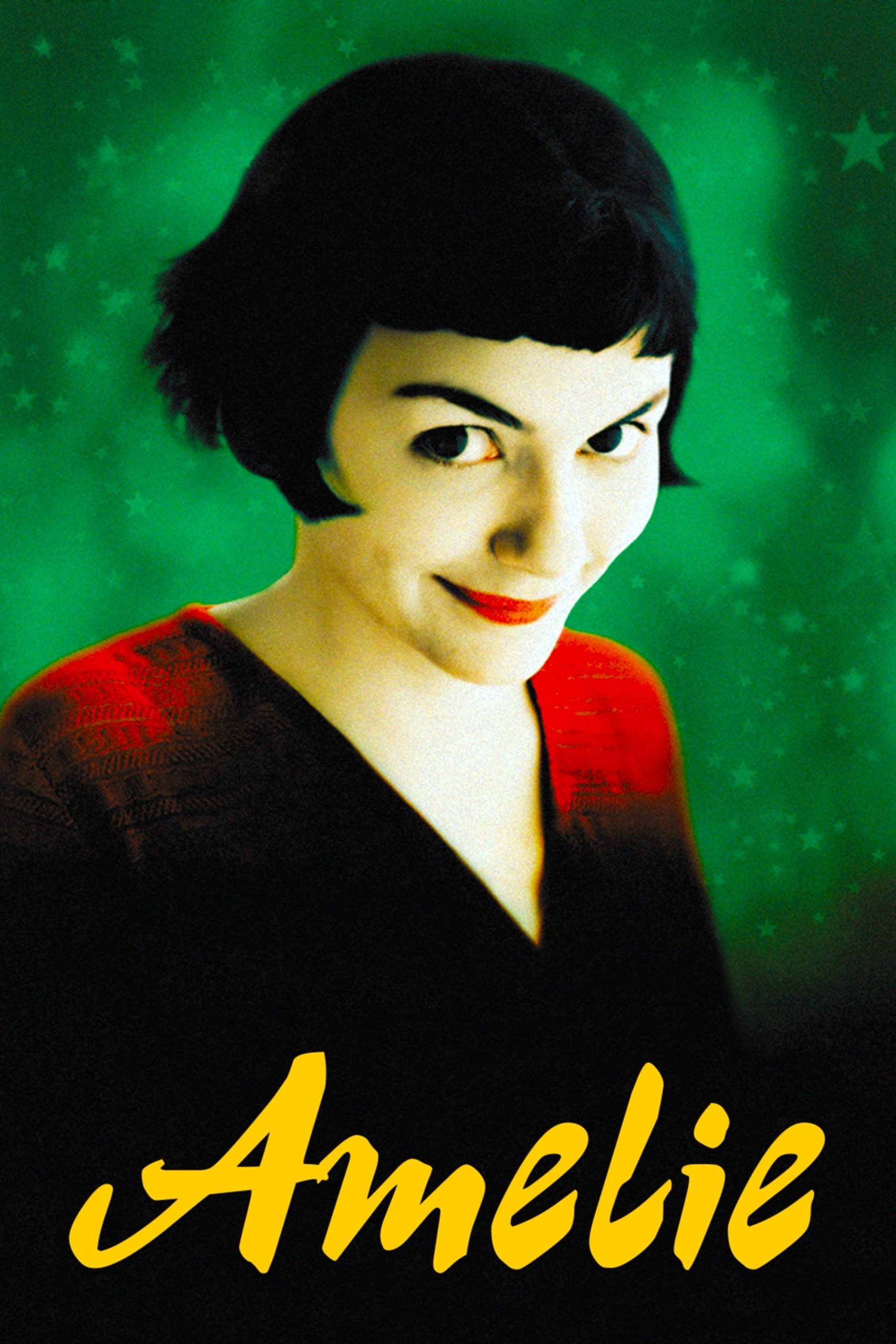
Rewatching Amélie through the lens of my current viewing habits, I’m struck by how visually stimulating it remains. For audiences surrounded by rapid-cut editing and ever-increasing digital polish, there’s something refreshing about the film’s vibrant, painterly aesthetic. The saturated reds and greens, the gleaming interiors of Parisian apartments and cafés, still make every frame feel curated and expressive—I can see why its look continues to influence design trends, Pinterest boards, and even the promotional aesthetic of modern streaming originals. Rather than feeling heavy-handed, the color palette amplifies the sense of enchantment, and in a present era where visual identity can make or break a film’s afterlife, Amélie’s artistry still stands out.
Performances, especially Audrey Tautou’s, translate remarkably well for today’s audiences. Her expressions—subtle, kinetic, and charged with emotional specificity—create a protagonist whose interiority I never find myself doubting. Tautou’s Amélie doesn’t need extensive dialogue or exposition: her micro-reactions, awkward gestures, and darting glances drive entire scenes. In a culture that increasingly values “show, don’t tell,” I think the performance supports a kind of storytelling that still feels advanced, even now. The supporting cast, too, manages to build a genuine sense of community without veering entirely into caricature; there’s warmth and eccentricity, but not so much that it feels artificial or forced.
Though I’ve become wary of films that lean on quirkiness alone, I find that Amélie tempers its whimsy with genuine emotional moments. I rarely feel manipulated by its sentimentality. There are scenes—unexpected gestures of kindness or moments of personal revelation—that, without fanfare, manage to generate real empathy. I credit this to the film’s confidence in lingering on small details: the pleasure of skipping stones, the tension of withholding one’s feelings, the secret language of everyday routines. As I revisit it with contemporary sensibilities shaped by minimalist dramas and intimate indies, I appreciate that it doesn’t insist on grand stakes, but instead validates a quieter kind of longing. It’s a rare trait, and still effective.
Another strength is the briskness of Jeunet’s direction. The pacing rarely lags—if anything, there’s an energetic drive in the early scenes that feels close to the rhythm of today’s TikTok and YouTube-influenced storytelling. Even voiceover, which can easily feel extraneous in older films, is handled with such wry humor and narrative efficiency that I hardly notice it as dated. The editing style, frequently using quick cuts, visual tricks, and playful gimmicks, feels surprisingly contemporary. Many modern “feel-good” movies borrow from this template, but few execute it as deftly as Amélie.
I should also mention the soundtrack, which maintains a kind of magic for contemporary ears. The accordion motif, pianos, and lilting melodies permeate not only the film itself but countless YouTube playlists, advertisements, and social media reels today. That lingering influence speaks to how successfully the film crafts a world that is not just seen but heard—a rare accomplishment in a time when background scores often fade into anonymity.
What Feels Dated or Challenging Today
Returning to Amélie now, despite all its visual charm, I can’t ignore moments that feel distinctly less suited to current sensibilities. For one, the film’s overwhelming “twee” aesthetic—its devotion to whimsy and quirk—no longer feels rare or revolutionary. After twenty years of saturated indie scenes and films that have mimicked or parodied Amélie’s style, I sometimes catch myself wishing for less sugar, more edge. Where once the eccentricities felt enchanting, now they risk verging on self-indulgence, at times making the viewing experience feel emotionally distant instead of deeply connective.
Another limitation I notice is representation—or lack thereof. As I’ve become more attuned to questions of inclusion and diversity in stories set in major cities, the overwhelmingly white, able-bodied, and heteronormative cast stands out sharply. Paris in Amélie is a near-mythical space, stripped of much of its real-world plurality. For audiences who expect films to reflect contemporary realities, or who seek identification with a broader range of characters, this can feel alienating. There’s also very little engagement with broader social issues, even those adjacent to the film’s own neighborhoods. I feel this absence is more apparent now, especially among younger or more socially conscious viewers.
Content-wise, there are a handful of gags, and particularly some gender dynamics, that register as awkward or, at worst, retrograde by today’s standards. I notice the film sometimes skirts uncomfortably close to romanticizing a kind of male gaze, especially in its treatment of innocent voyeurism. While the intent might be light or playful, the trope of quirky, secret observation—often involving a woman as the focal point—has aged unevenly. It’s a subtle effect, not an outright problem for everyone, but I find myself thinking about how these scenes play differently in the #MeToo era.
From a pacing and storytelling perspective, sections of the film indulge a kind of episodic meandering that, in contrast to contemporary expectations for tightness and momentum, can feel slow. While the brisk editing of some sequences is effective, others linger just a bit longer than modern sensibilities might tolerate, especially in an age where the “Skip Intro” and “Next Episode” buttons keep our attention on a short leash. Today’s binge-watching habits and appetite for narrative payoff can make Amélie’s leisurely detours feel testing for those looking for a more conventional or direct storytelling experience.
Culturally, the “manic pixie dream girl” discussion has also colored my viewing. While Amélie herself is more complex than the trope suggests, aspects of her characterization—whimsical, innocent, existing to transform others through her irrepressible optimism—feel less radical now. I don’t think this undermines the entire film, but it does invite a reevaluation that wasn’t there when I first watched it. There’s also the question of digital and technological context: the analog fixations of the film (photo booths, handwritten letters) hold a certain nostalgia, but young viewers raised in a fully digital age might see these as quaint artifacts rather than vivid storytelling devices.
How Modern Audiences Are Likely to Experience This Film
Today’s audiences are fragmented and highly particular; I find it fascinating how reactions to Amélie vary according to preferences shaped by algorithms, genre trends, and social feeds. On one hand, viewers who crave aesthetically distinctive films—the kind who appreciate how a shot is composed, or who scroll endlessly for moodboard inspiration—are likely to respond positively. The film is visually generous, and there’s a tactile pleasure in simply letting the colors, textures, and Parisian details wash over you. For people who care about cinema-as-craft, I think Amélie delivers a strong case for its continued relevance.
Younger viewers raised on fast-paced Marvel blockbusters or the relentless tonal shifts of contemporary series may find parts of Amélie’s pacing unfamiliar, even challenging. If your tolerance for abrupt tonal shifts or lingering character moments is low, you might find your attention drifting. However, for those who are curious about art cinema or comfortable with slower rhythms, the film likely rewards patience with small, cumulative pleasures—I find there’s a meditative quality in how the story unfolds, one that asks for, and sometimes earns, your investment.
Viewers who are especially attuned to issues of representation, inclusion, or the avoidance of outdated tropes may feel some discomfort here. As I watched it recently, I could sense a certain insularity to the film’s depiction of Paris, an idealized reality that avoids the messiness of diversity and social change. While this creates a cohesive fantasy, I suspect it could alienate viewers who expect a fuller, more inclusive portrayal of urban life. Some details—particularly in humor and gender dynamics—also risk translating poorly if you approach the film with today’s heightened sensitivity.
On the other hand, for people seeking comfort or moments of optimism—something gentle to offset the harsher edges of modern life—Amélie remains a soothing counterpoint to grim dramas and high-stakes thrillers. There is still an audience that values the film’s intimate focus on human kindness, especially in a media environment often dominated by cynicism. When I recommend it to friends overwhelmed by the relentless pace of current events or seeking reprieve from the barrage of streaming content, I usually frame it as a kind of cinematic palate cleanser: gentle, imaginative, sincere.
For viewers interested in the evolution of film itself, Amélie offers a useful case study. Many of the visual cues, narrative techniques, and even character types that define a lot of indie cinema today trace their lineage back to this film. If you’re invested in understanding what contemporary filmmakers are referencing, or simply want to see where a certain “vibe” came from, watching Amélie is a way to experience that lineage firsthand.
Ultimately, I think few modern viewers will respond to Amélie in exactly the same way. If you approach it with open expectations and a readiness for sentimentality, it still holds charms. If you demand flawless contemporary relevance, you’re likely to find limitations. Where you land on that spectrum depends on your own preferences, values, and patience.
Final Verdict: Is It Still Worth Watching?
Looking at Amélie today, I’d honestly say it’s still worth watching—though not necessarily for everyone. For those who are hungry for visually inventive cinema, or who enjoy films that take their time to linger over detail and emotion, I think it delivers experience and craft at a consistently high level. Its impact on cinematic style is hard to deny, and it remains a visually captivating way to spend a couple of hours.
That said, I would be cautious in recommending it as universally “essential.” If your priorities as a viewer involve realistic representation, urgency, or a relentless narrative drive, you may come away feeling unsatisfied. If you’re especially sensitive to the conversation around gender roles, or turned off by films whose fantasy veers into twee for twee’s sake, I’d advise approaching with some skepticism.
Personally, when I return to Amélie, I find enough that feels fresh, enough that feels dated, and ultimately, enough that still moves me. The emotional high points—the way small acts of care ripple outwards, the playful observation of daily life—still work, even after years of imitators and shifting audience tastes. But I no longer regard it as a universal recommendation or as a film immune to criticism. Instead, I see it as one of those rare movies that has survived into the modern era by virtue of its distinctiveness—flawed, but distinctive all the same.
If you’re open to films that exist unmistakably within their own carefully-crafted universe, and if you can receive whimsy as both charm and artifact, then Amélie will likely reward you. If you’re searching for something that fully matches today’s aesthetic, cultural, or narrative expectations, you may find it more useful as a reference point—a film to engage with critically, rather than lose yourself inside. Either way, I think giving it a try is still a worthwhile experiment. Your response may tell you as much about yourself, and what you want from cinema today, as it does about the film itself.
For viewers curious about authenticity, exploring the film’s factual basis may be useful.
🎬 Check out today's best-selling movies on Amazon!
View Deals on Amazon