
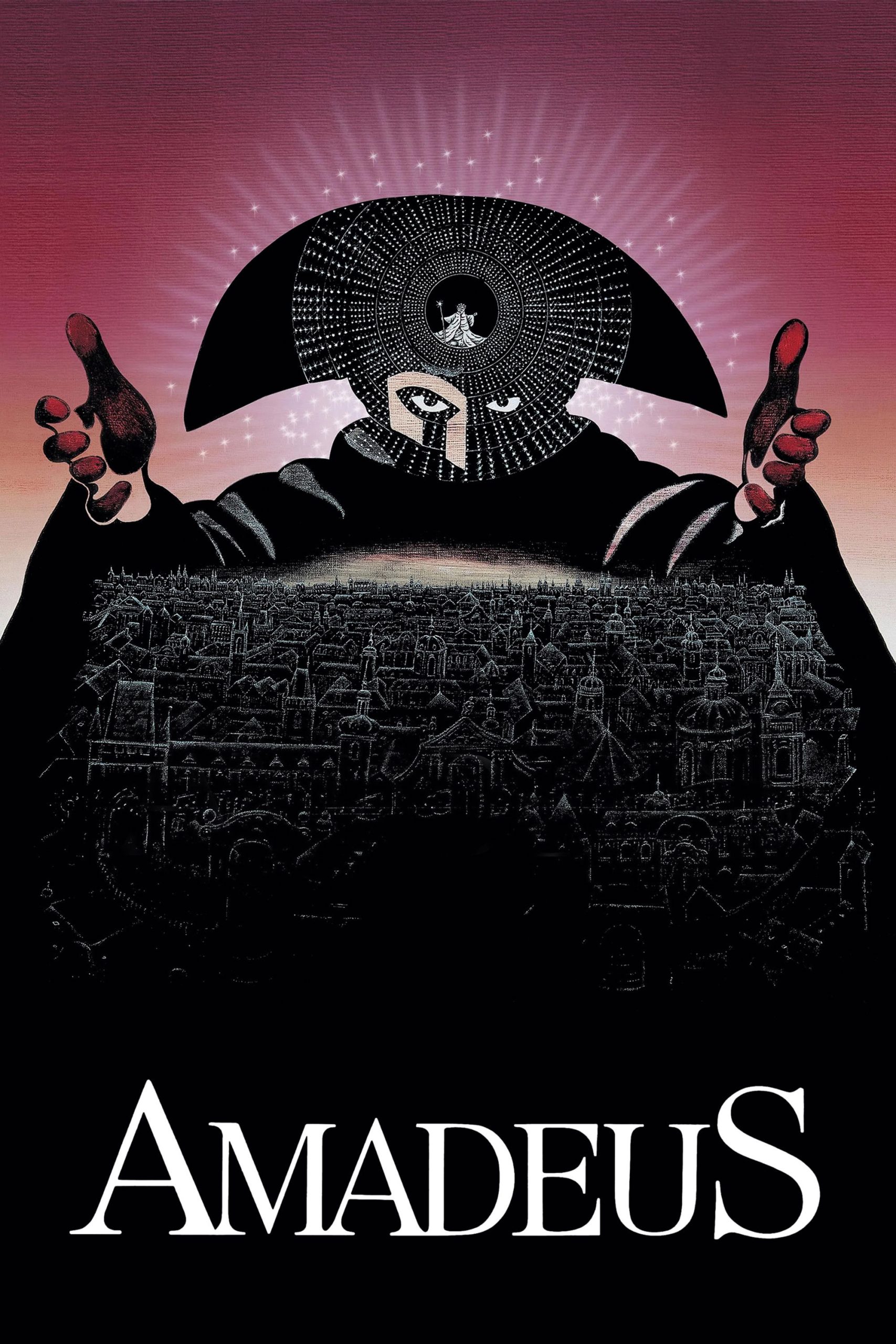
Does This Film Still Hold Up Today?
The first time I revisited Amadeus after years of hearing it praised from afar, I wasn’t sure if its massive reputation would feel like a blessing or a burden. Right away, I felt that the movie is a force, but as a modern viewer, I’m not drawn to recommend it across the board. My take: if you
crave sleek, quick cinema, you’ll want to tread carefully. However, for anyone patient enough to absorb two and a half hours of performance and rivalry, Amadeus still delivers something worthwhile. It’s a conditional recommendation — great for those who can lean into deliberate storytelling and classical music, but quite skippable if you depend on tight editing, explosive action, or up-to-the-minute dialogue. The magic is clear if you meet the film on its own terms; for everyone else, it may feel less like a timeless masterpiece and more like a striking period piece showing its age.
Pacing, Acting, and Storytelling by Today’s Standards
Sitting down with Amadeus in the age of streaming, when a sluggish scene tempts me to check my phone, I immediately noticed the deliberate unspooling of the narrative. The film lingers on aesthetics — costume, candlelight, orchestras warming up. There’s a glacial pace to its opening thirty minutes that I felt acutely, especially compared to what I’m used to now. Where modern films tend to thrust me into the story and skip the flourishes, Amadeus wants to bask, almost wallow, in its stage-like world.
What kept me invested was the acting, which is both bold and strange by today’s standards. Tom Hulce’s Mozart feels cheeky, manic, and grating, leaning hard into giggles and bravado — an energy that borders on cartoonish now, though there’s a real method to the madness. F. Murray Abraham owns the spiteful Salieri with slow-burning resentment, relishing the long, weighty monologues. These are not the subtle, hyper-naturalistic performances dominating film today. Every emotion is pushed almost to theatre-level, but the commitment is mesmerizing if you surrender to it rather than demand subtlety. I found it both mesmerizing and, at points, exhausting.
The dialogue is thick, winding, and sometimes purposely off-kilter. I noticed how little the film cares about accessibility — speeches go on, ideas are repeated, and the language often feels ornate for ornate’s sake. While that can be alienating, there was something luxurious about letting a scene build without shortcuts. Still, there’s no avoiding that some conversations drag and subplots lose momentum, especially if you’re used to snappy, razor-sharp scripting.
Narrative momentum is a sticking point. For long stretches, I found the film’s melodrama propulsive, but there are patches where I felt as if the plot had frozen, replaced by music and performance for performance’s sake. Amadeus doesn’t hurry for anyone, and the film dares me to either lean in or bail out. I could imagine some viewers embracing this craftsmanship, while others, like me on an impatient day, might feel left behind.
What Feels Timeless — and What Feels Dated
- Timeless elements: The musical sequences are thrilling no matter what era you live in. The way the film gives center stage to Mozart’s music — not as mere soundtrack, but as a living, breathing force — had me hooked, even as someone only mildly interested in classical. Those scenes where composition leaps from page to sound, where I could watch a piece being imagined into existence, felt immediate and exhilarating. The emotional intensity of jealousy and longing, embodied in Abraham’s Salieri, hit me as universal — the sort of pettiness and hunger for recognition that never gets old. The lavish production design remains visually arresting: costume, candlelit rooms, and period details feel lush, immersive, and surprisingly undated. There’s a tactile pleasure in the sheer extravagance of old Vienna on screen.
- Dated elements: The movie is in love with its own languid pace and expects me to be as well. Today’s films rarely indulge in such a slow build, and I felt the runtime more and more as the movie progressed. Several performances, especially Hulce’s giggling Mozart, walked a line between bold and broad that sometimes took me out of the story. I couldn’t help but notice lines that clanged with artifice and dramatic gestures that felt more at home on a theater stage than on my TV. The depiction of supporting female characters feels thin and sometimes even laughably old-fashioned; there’s little for women to do besides react to Mozart’s genius or Salieri’s bitterness. The film’s humor felt patchy — I found the jokes inconsistent, often derived from broad caricatures or slapstick that just doesn’t land with the same force anymore. Most crucially, if you’re not in love with classical music or period drama, the subject matter may feel unapproachable and even alienating.
Strengths and Weaknesses for Modern Audiences
Having grown up with a steady diet of fast-paced entertainment and genre-bending storytelling, I was surprised by how much patience Amadeus required. That’s both a strength and a weakness. The movie unapologetically rewards those willing to immerse themselves completely. If I let myself be pulled in, I could get lost in the sensory overdrive — the music, the costumes, the candlelit orchestras tuning in the dark. There’s almost nothing like it on screen today, so if you’re craving something luxurious and extravagant, this film absolutely delivers.
On the downside, I struggled with accessibility. The film expects you to keep track of endless feuds, court politics, and nuanced changes in reputation. Unless you arrive ready to focus, you’ll find yourself adrift in names, titles, and shifting alliances. A few times, I found my attention wandering during drawn-out arguments or multi-layered monologues that would be quickly cut down in modern filmmaking. There’s little hand-holding here; you’re either on the film’s wavelength or you’re not.
What surprised me was how emotionally engaging the core rivalry can be. Even though the performances feel outsized, and the pacing is uneven, I felt gripped by Salieri’s simmering envy. Moments of vulnerability cut through the theatrical gloss. I was rooting for — and against — both of these flawed men at different points. That’s hard to pull off, and it’s a credit to the film that it achieves it, even if you have to push through the longueurs to reach those peaks.
For all that, the film feels daunting if you’re just seeking light entertainment. I found that the pleasure of Amadeus doesn’t lie in plot twists or adrenaline, but in the drawn-out experience of inhabiting another world. If you’re up for that, the film can be magical. But if your attention span is already frayed by endless options and constant notifications, this is a tough ask. The lack of accessibility is real; there are no easy entry points for those new to the subject matter or indifferent to period pieces.
It’s also worth noting that the film’s runtime (approaching three hours depending on version) is a genuine hurdle. The commitment feels heavy. I watched it over two nights, which honestly improved my enjoyment — but broke some of the spell. I imagine that for many, the sheer length will turn what could have been a sharp, intense experience into a test of endurance.
Who Should Watch This Film Today?
If you’re still reading, you might be searching for clear advice on whether to press “play” on Amadeus now. Here’s how I see it: If you love grand historical dramas, if you can lose yourself in luxurious visuals and intricate soundscapes, or if you have even a passing interest in classical music, this film probably still has a lot to offer you. I also think that anyone curious about how envy and self-doubt play out in creative rivalry will find it gripping, especially if you enjoy character-driven stories that take their time to develop. If you appreciate theater, or gravitate toward movies that reward patience rather than instant gratification, this is among the best you’ll find.
On the flip side, I wouldn’t recommend Amadeus to anyone hoping for brisk storytelling, or for those who prefer plot over dense character study. If you’re frustrated by needless excess, or if you find period pieces generally stilted and repetitive, watching this film will feel like homework. Viewers looking for strong, independent female characters or stories with contemporary social resonance will likely leave dissatisfied. I also wouldn’t suggest it if you’re after a film to half-watch while multitasking — Amadeus is not forgiving if your attention slips.
Personally, I approached the film with curiosity tinged with skepticism, and was left impressed by moments of cinematic grandeur, even as I grew restless with the frequent detours and baroque indulgence. It’s very much a film of its era, but its best parts have a sharpness and intensity that can still catch you off guard. If you have time, patience, and a spirit open to grand, sometimes meandering storytelling, Amadeus might surprise you too. Otherwise, its pleasures may remain just out of reach.
If you’re still deciding, you may also want to know how this film was originally received.
🎬 Check out today's best-selling movies on Amazon!
View Deals on Amazon