
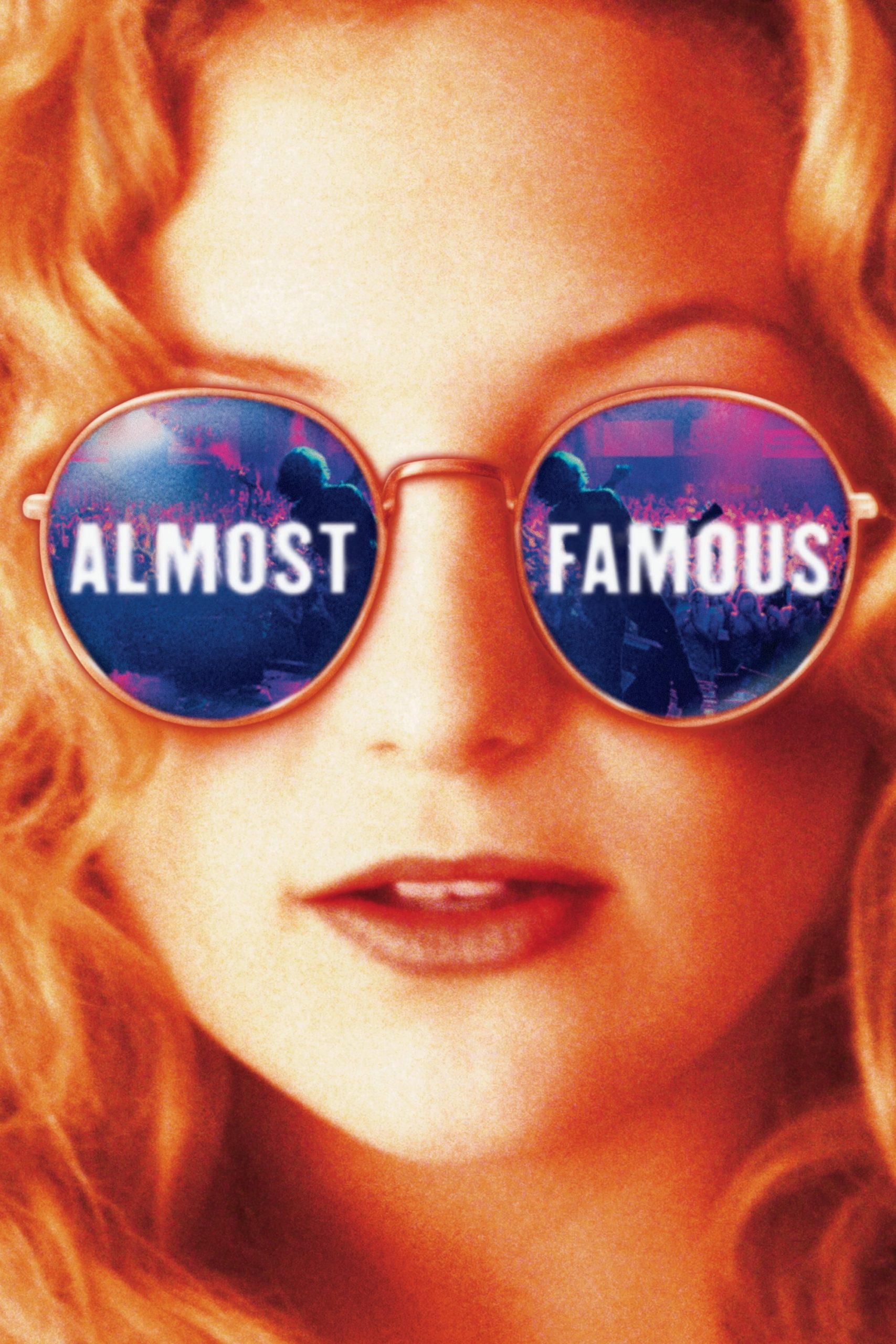
Does This Film Still Hold Up Today?
The first time I sat down to rewatch “Almost Famous” after years away from it, I wondered if I’d be swept away again or if time would expose why it’s rarely discussed outside nostalgia circles now. Once the credits rolled, my answer surprised me: for today’s audience, I can only conditionally recommend “Almost Famous”—and only if you know exactly what you’re looking for. This isn’t a film that universally commands attention anymore; it’s not the must-see vibe capsule its reputation suggests. Instead, it floats somewhere between an earnest love letter to classic rock and a coming-of-age road movie, and how well that lands with modern viewers hinges a lot on your patience, taste for music history, and tolerance for earnestness. If you’re after a sharp, fast, explosively modern story, you might struggle to stay engaged. But if you genuinely love stories set inside the music scenes of the ’70s, or you crave something gentler and a little woolly, this could still speak to you. Just be prepared for a different rhythm than what today’s pop culture often delivers.
Pacing, Acting, and Storytelling by Today’s Standards
There’s a certain warmth—almost a softness—in the way “Almost Famous” unfolds. When I watch it now, I notice how much breathing room there is between plot points, which isn’t something films seem to allow anymore. Scenes linger, conversations meander, and moments that would today be trimmed or turned into TikTok meme fodder are given extra space to play out. I think this pacing is both an asset and a liability; on one hand, it invites me to soak in the characters’ world, to feel the hum of tour buses and the nervy anticipation of teenage dreams. On the other, there are stretches that feel indulgent and slow by today’s expectations—even when I’m invested, I catch myself itching for the story to move along, especially during the film’s mid-section where plot and character arcs stall out for yet another party, another band squabble, another tour stop that feels like the last.
The acting stands out for its sincerity, even if some performances read as less subtle than what’s common now. When I watch Patrick Fugit as William, I find his wide-eyed energy endearing, but sometimes a shade too naïve, verging on awkward in ways that might not land for everyone. Kate Hudson’s Penny Lane is more of a vibe than a fully-realized person, but I still appreciate her magnetic screen presence, and Billy Crudup understands how to keep a character enigmatic without disappearing from the story. Compared to the tightly calibrated dialogue and precision performances in a lot of today’s dramas, “Almost Famous” trusts its actors with looser, more improvisational moments. It asks the audience to live with these characters, to accept their messiness and uncertainty, rather than chase after constantly escalating stakes. For someone used to rapid-fire dialogue and tightly plotted narratives, this can feel like the film is spinning its wheels. For me, it bordered on patience-testing at times, but I’m also aware I’d miss the texture if it was missing.
I also can’t ignore how the film’s nostalgia for the ’70s music scene lives at the heart of its storytelling. Back in the day, I found that intoxicating; watching now, I’m struck by how much it assumes you, as a viewer, share its reverence for the era and its soundtrack. The story’s momentum climbs and dips with the mood of the tour far more than with the external stakes, making “Almost Famous” feel looser, less focused, and sometimes underpowered in the final act. This all matters if you’re thinking about whether to stream it or skip. If you’re not already on board with stories about bands, groupies, and journalistic ambition, you may be left standing outside the party.
What Feels Timeless — and What Feels Dated
- Timeless elements: When I really paid attention, what still resonated was the sincerity of youthful longing and the sense of searching for a tribe. William’s awkward journey through the chaos of adult ambition, his attachment to Penny Lane, and the band’s volatile energy capture something universal about growing up on the fringes. The soundtrack remains absolutely vibrant; classics like “Tiny Dancer” and “America” still kick in with the same emotional charge, and the group singalongs feel genuinely alive. I found the film’s invitation to remember (or imagine) being young and obsessed with music is undimmed, even if you don’t know all the references. Frances McDormand’s performance as William’s mom is a small, real miracle—she brings out both comedy and heart, grounding the film every time she calls from home. For me, the tactile pleasure of “Almost Famous”—the vinyl records, the fanzines, the analog road trip—offers a respite from digital overload, and I think anyone feeling nostalgic for an unplugged, off-the-grid adventure could get lost in that atmosphere. The emotional earnestness, while occasionally overstated, is also a welcome break from irony-driven scripts of more recent times.
- Dated elements: Where “Almost Famous” feels most stuck in time is how much it centers on a man’s world. Rewatching, I was struck by how thin the female characters are—Penny Lane is sketched out with affection but little depth, and the other “Band-Aids” hover as background color. If you’re looking for strong, nuanced female storytelling, this just isn’t it. I also found myself distracted by the way the film almost romanticizes the idea of teenage infatuation with older men, something that sits strangely when viewed through today’s lens. The lack of diversity among characters is also glaring; the film’s worship of classic rock crowds out any nod to other musical scenes or cultural perspectives. The pacing, again, feels very much of its time: indulgent, resting comfortably in a pre-streaming era where attention wasn’t constantly splintered by notifications. For viewers who have grown up with fast-cut, attention-grabbing content, or who expect smarter dialogue around power dynamics, “Almost Famous” risks feeling oddly innocent, even naïve. The platitudes and wide-eyed awe about rock ‘n’ roll stardom can land a bit saccharine or tonally out-of-step for viewers who don’t already buy into its mythology.
Strengths and Weaknesses for Modern Audiences
As I weigh out the pros and cons from my present-day vantage point, the biggest strength of “Almost Famous” is its ability to create a world you can melt into if you have the patience to let it wash over you. Its detailed atmosphere—the cluttered band bus, the sticky clubs, the sunsets out van windows—gave me a sense of immersion unlike anything slicker, newer films offer. If I’m in a mood to slow down, to listen to music, or to remember the ache of being on the outside looking in, this film still works. It’s also emotionally generous; at every turn, the film makes space for earnestness, hope, and the ache of missed connections. When I meet William’s mother, I feel reassured in the best possible way, and even the jaded rockers reveal unexpected tenderness. The soundtrack application is almost flawless; even outside nostalgia, these tracks genuinely lift the energy and can move anyone who loves classic-era music.
But this same slow-burn charm is a weakness for any modern viewer with an abbreviated attention span. On my latest watching, I realized how easily I drifted during the third act. The stakes never really feel urgent, and the narrative tension, while present, relies on small emotional beats rather than high drama. The dialogue flirts with cheese—sometimes inspirational, sometimes cloying—and there’s a persistent sense that the film wants you to love its world as much as it does. If you’re the type who needs sharper editing, more focused plotting, or franker emotional truth, you might check the runtime and feel it drag. I felt some frustration at the overly soft-edged conflicts; the film suggests danger and heartbreak but tends to resolve or underplay them before things get too uncomfortable. I was also aware of how “inside baseball” it all feels—viewers who aren’t already interested in rock history will likely struggle to find points of connection, and the humor is gentle, not laugh-out-loud. “Almost Famous” is accessible in tone, but not always in structure or subject matter.
Finally, I noticed subtle barriers to engagement for younger audiences, most notably the period-specific references and lifestyle details. If you’re not familiar with the culture of the 1970s or have never obsessed over music journalism, it’s easy to feel left out of the story’s emotional stakes. While the streaming era has encouraged rediscovering old favorites, this is one classic that demands a little effort and generosity—even from someone like me who grew up with it. Your mileage will vary; some nights I find it stirring, others, I feel distanced from its particular brand of rose-tinted nostalgia.
Who Should Watch This Film Today?
Whenever friends ask me about “Almost Famous,” I try to be real: this isn’t a film I’d push on everyone without reservation. I think if you adore stories about music history, or you get satisfaction from slow, lived-in coming-of-age movies, you’ll probably connect with what the film does best. It’s a sort of warm bath for anyone interested in vintage rock and its backstage mythologies, and if the idea of following a young writer through a world of sex, drugs, and gentle heartbreak like a lost puppy appeals, you might find it delightful. Similarly, music lovers who care about the feel and sound of the era, or anyone nostalgic for magazine culture and non-digital wanderlust, will find “Almost Famous” almost comfort viewing.
But if you’re looking for urgency, innovation, or more modern ideas about character, gender, and diversity, this film will probably leave you cold. Those who live for rapid-fire dialogue, pointed social critique, or tougher emotional reckonings could feel shortchanged. It also isn’t great for group viewing unless everyone shares the same window of cultural reference; the film isn’t universal in its appeal, and there are too many pockets where momentum lags for half-interested viewers.
In short, “Almost Famous” is for the sentimental, the slow-burning, the music-obsessed, and those seeking connection over spectacle. I’d say it’s a rewarding revisit for those who already love its world, or a soft landing spot for someone needing emotional comfort. For almost anyone else, I might suggest skipping—or at least saving it for a lazy Sunday when you want to drift and dream, not be swept away by modern energy.
If you’re still deciding, you may also want to know how this film was originally received.
🎬 Check out today's best-selling movies on Amazon!
View Deals on Amazon