
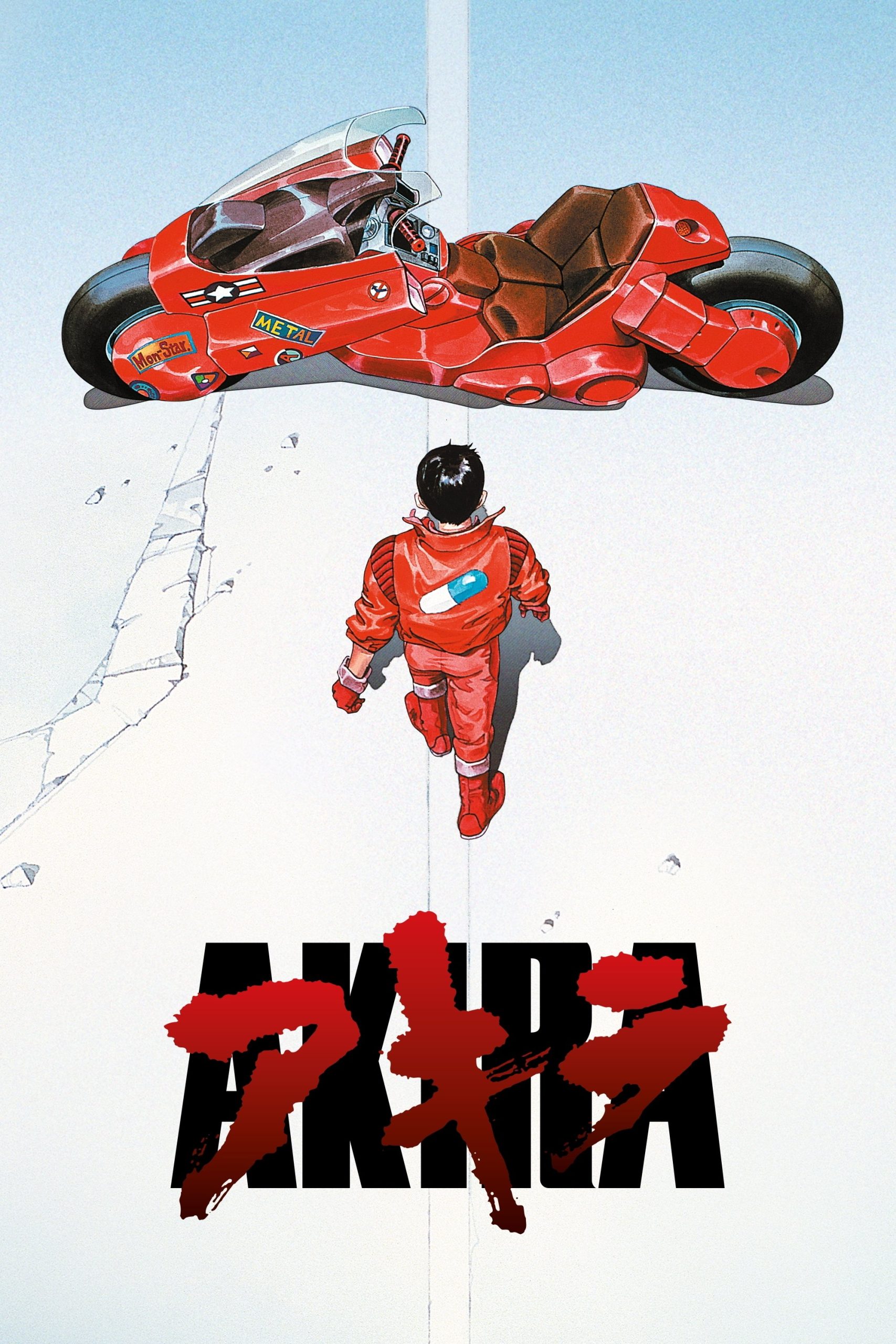
Why This Film Is Revisited Today
Today, Akira remains highly visible in both pop culture and streaming libraries, capturing the curiosity of contemporary audiences. Its distinctive visual style and lasting reputation often place it on “must–see” lists for those diving into influential global animation or genre-defining science fiction. Modern discussion often stems from its iconic status within anime, widespread references in Western and international media, and regular appearance in retrospectives about groundbreaking animation. Streaming platforms and high-definition re-releases have made it readily accessible to new generations who may have missed earlier anime milestones. In addition, conversations around urban futurism, dystopian aesthetics, and the ongoing dialogue about genre boundaries fuel modern engagement with Akira. Social media algorithms, digital fan communities, and academic syllabi frequently surface it for viewers who might otherwise overlook older animated titles. Its controversial reputation, both for graphic content and ambiguous themes, also creates ongoing interest and debate as audiences reassess its relevance and influence.
What Still Works for Modern Viewers
Nearly four decades after its release, Akira continues to impress with a visual intensity and animation fidelity that even streaming-era audiences find striking. The hand-drawn animation is filled with meticulous detail, kinetic movement, and memorable cityscapes—qualities that set it apart from many contemporary animated or live-action films. The film’s urban design, color palette, and fluidity feel as bold as any modern release, often exceeding what viewers expect from late-1980s works. Its sound design, with an unconventional score, contributes to a tense and atmospheric mood, supporting a robust sense of place without requiring prior genre appreciation.
Modern viewers will likely see the technical craft as nothing short of ambitious; the scale of crowd scenes, destruction sequences, and lighting still holds up without the crutch of retro affection. The tone is uncompromising, giving present-day audiences a sense of authenticity in its emotional and thematic intensity, especially in its depiction of social unrest and psychological unease. Even by today’s standards, its portrayal of chaotic youth culture or state authority has a raw, topical resonance. While some character interactions feel sparse, there are moments of genuinely effective tension and emotional impact—often achieved without overt exposition—allowing for engagement through mood and atmosphere rather than direct explanation. Fans of aesthetic innovation and kinetic filmmaking, regardless of the medium, will still find much to appreciate in the brisk editing and dynamic scene construction.
What Feels Dated or Challenging Today
Despite its technical accomplishments, Akira contains elements that may challenge viewers accustomed to contemporary storytelling and social standards. The film’s pacing is often demanding by modern sensibilities: dialogue can be elliptical, character motivations may seem unclear or underdeveloped, and narrative structure prioritizes visual set pieces over sustained character arcs. Viewers used to clear exposition, streamlined plotting, and consistent emotional cues may find themselves distanced by lengthy atmospheric sequences or abrupt tonal shifts.
Socially, the film’s handling of gender and background characters feels notably outdated—female characters lack depth and agency, often serving as passive observers or plot devices. Representation of violence is also pronounced and, in some cases, sensationalized, which can be off-putting due to both graphic content and limited moral framing. Certain scenes deploy casual brutality, including sexualized violence, in ways that do not align with the sensitivity or artistic justification expected today. The broader depiction of youth, authority, and disorder carries little moral resolution, which might frustrate viewers anticipating more explicit ethical engagement.
Technologically, Akira feels anchored to analog futures—aesthetically beautiful, but sometimes at odds with today’s digital world-building, potentially alienating viewers seeking contemporary sci-fi interfaces or logic. The film assumes a familiarity with postwar anxieties and political backdrops that are less immediately resonant for global audiences today. Newer viewers may also be challenged by the film’s willingness to leave critical details unexplained, prioritizing mood over conventional narrative comfort.
How Modern Audiences Are Likely to Experience This Film
Viewer response today is likely to diverge sharply depending on familiarity with animated works, tolerance for intensity, and expectations around storytelling. For animation enthusiasts or cinephiles, Akira can feel like essential viewing and an aesthetic touchstone—its ambition and craftsmanship reward close, patient attention. Audiences accustomed to high-tempo, plot-driven cinema may find periods of visual contemplation or ambiguous motivation slow or confusing, risking disengagement if approached as casual entertainment.
Younger viewers or those new to Japanese animation may be surprised by the brooding tone, abrupt violence, and existential ambiguity—elements now less common in mainstream Western animation. At the same time, those well-versed in modern anime or global cinema may find the film’s mood and singular vision just as compelling as those of recent prestige works. Sensitivity to graphic violence and dated representation can be a barrier, especially for viewers who prioritize inclusive or progressive storytelling.
In terms of accessibility, the theatrical scale and dense environments are better served by large screens and undistracted viewing. Binge-watchers or multitaskers might miss the intended impact if split across devices or backgrounded during daily activities. Ultimately, viewers prepared for a challenging, visually immersive experience are more likely to be engaged, whereas those looking for casual or emotionally straightforward viewing may struggle with the film’s relentless tone and shocking imagery.
Final Verdict: Is It Still Worth Watching?
Akira remains a unique and influential experience with genuine appeal for audiences open to bold visual storytelling, even as some aspects read as difficult or outmoded by today’s standards. Its animation and atmosphere set it apart from both contemporary and legacy works, offering rare immersion for those interested in artistic ambition or cultural influence. For genre enthusiasts, animation fans, or viewers exploring the evolution of science fiction cinema, it holds undeniable interest. However, anyone sensitive to violence, seeking strong character development, or expecting contemporary approaches to representation may find significant barriers.
Overall, Akira is still worth watching for those willing to engage with challenging material, and particularly rewarding for viewers with an interest in film history, visual innovation, or the darker edges of animation. For more casual audiences or those with reservations about dated tropes, its impact may be lessened, but its place in the ongoing cultural conversation makes it a film worth considering—ideally with an open mind and awareness of its limitations.
For viewers curious about authenticity, exploring the film’s factual basis may be useful.
🎬 Check out today's best-selling movies on Amazon!
View Deals on Amazon