
Does This Film Still Hold Up Today?
For today’s audiences, Aguirre, the Wrath of God is only conditionally recommended. While the film is visually striking and atmospheric, its slow pace and unconventional storytelling will likely frustrate most casual viewers. Those seeking an immersive and meditative mood piece may find it compelling, but anyone looking for dynamic plot, clear character motivations, or lively dialogue may find the film more challenging than rewarding. If you appreciate patiently-crafted visuals and a haunting sense of place, you might value the experience; however, those with less patience for ambiguous, meandering stories will probably not find it satisfying.
Pacing, Acting, and Storytelling by Today’s Standards
A current viewer will immediately notice that this is a film that takes its time. The pacing is deliberate to the point of feeling almost static: the camera lingers on the jungle, the river, and the faces of its characters for far longer than most modern movies would dare. Dialogue is sparse, and scenes often pass with little being said. Story progression is slow, and instead of building toward clear plot points, the film leans into mood and visual atmosphere. For contemporary viewers accustomed to tightly-edited sequences, quick revelations, or fast-moving conflicts, Aguirre, the Wrath of God can feel almost glacial.
The acting is equally offbeat by today’s standards. Klaus Kinski’s performance as Aguirre is intense and unpredictable, but the line between raw brilliance and chaotic energy will be up to individual taste. Many supporting performances come across as restrained or unnatural, which may be distracting. Don’t expect expressive, emotive closeups or moments designed to cue your responses—much of the cast seems almost in a trance, which fits the film’s style but can keep the viewer at an emotional distance. There’s minimal exposition, so you’re often left guessing why characters act as they do or what’s motivating anyone on screen.
Narrative momentum is inconsistent. While the basic story—a doomed expedition through the Amazon—sounds dramatic, the film’s actual progress is less about escalating tension and more about existential drift. For a modern viewer, it’s easy to lose track of who the characters are and what they’re aiming for, which means you may feel detached from the unfolding events. If you’re the type of viewer who enjoys piecing things together yourself, and who thrives on ambiguity, the film’s approach might be appealing. Otherwise, the lack of clarity could become a barrier.
What Feels Timeless — and What Feels Dated
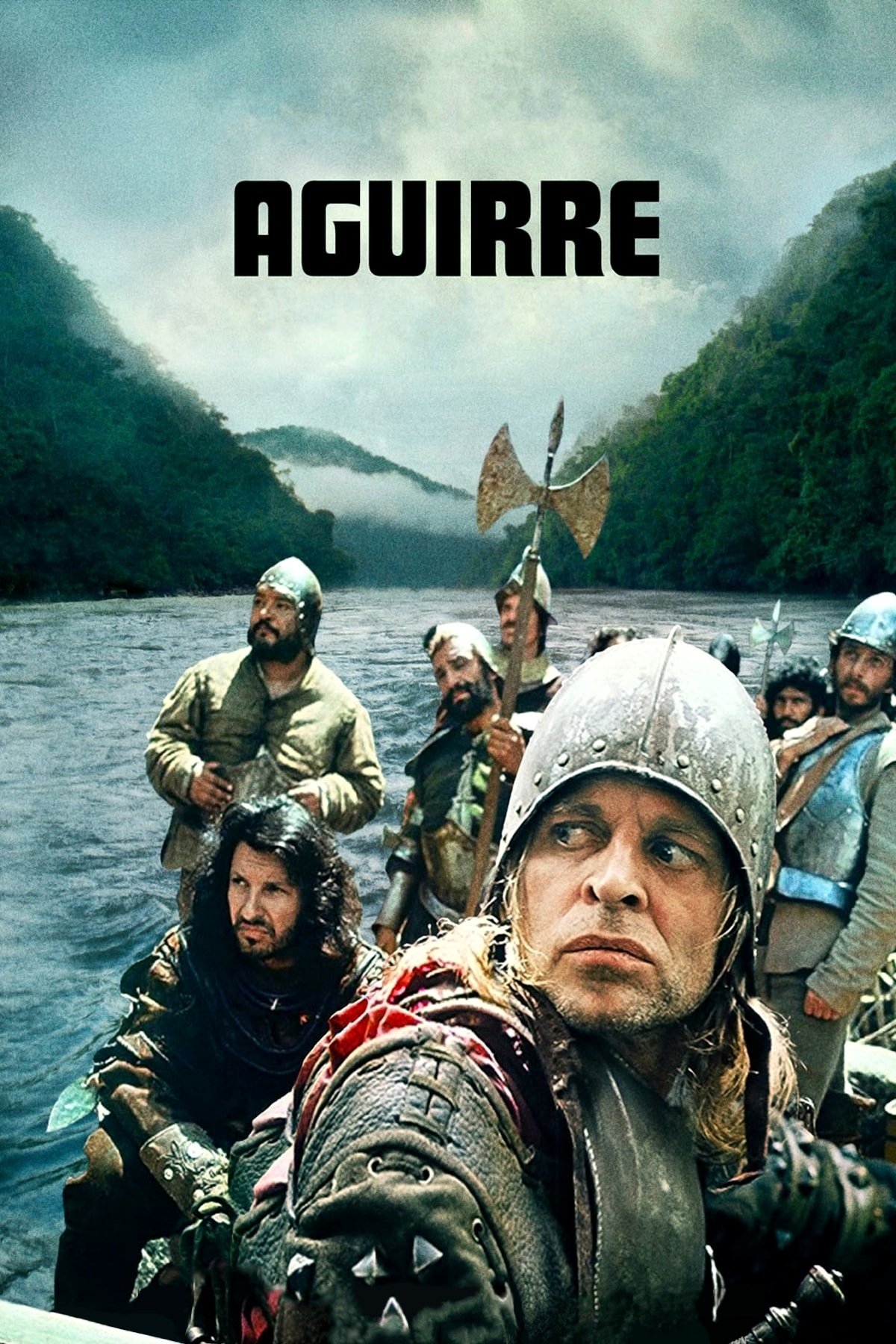
- Timeless elements: The cinematography stands out as extraordinary even by today’s standards. Sweeping shots of the Amazon river, misty landscapes, and the slow, inevitable crawl down the river create a strong visual atmosphere that remains powerful. The sense of isolation and the danger of the natural world are vividly captured and still feel immersive. The music, an eerie electronic score, works as well now as it did decades ago to generate a tense, hypnotic mood. The film’s commitment to location shooting makes everything feel authentic and unpredictable.
- Dated elements: The audio dubbing can be jarring for modern viewers. Dialogue sometimes doesn’t match the actors’ lips, which can pull you out of the moment. The film’s gender dynamics and treatment of indigenous characters are minimal and stereotypically distant, making it harder to connect with anyone except the central European characters. The lack of character backstory, emotional depth, or relatable motivations makes it tough to invest in the narrative. The glacial pacing and unwillingness to clarify anything—character relationships, stakes, or even basic plot points—can come across as frustratingly opaque in an era where storytelling is generally more direct.
Strengths and Weaknesses for Modern Audiences
The strongest feature of Aguirre, the Wrath of God is its potent sense of mood. If you enjoy being drawn into a visually rich, dreamlike world—where every scene feels soaked in atmosphere and tension—you may be captivated. The film’s unpredictable moments and surreal visuals often stick with you, even if you’re not completely engaged by the story. This is not a film that spoon-feeds emotion or explains itself; the overall effect is one of unease and lingering mystery.
However, this approach is arguably its greatest weakness for contemporary viewers. With attention spans shaped by tighter, more focused storytelling, the film’s meandering and frequently ambiguous narrative can make watching feel like a chore rather than a thrill. There is almost no comic relief or moments of relatable warmth; everyone is isolated, uncomfortable, and inscrutable. Subtitles for the German-language original are decent, but the acting style (including the outlandish Kinski performance) veers toward melodrama, which can feel overwrought or even campy to modern tastes. If you require emotional engagement or compelling character arcs to stay interested, you’ll likely find these in short supply.
Accessibility is mixed: the film is widely available on streaming, and its runtime (just under 100 minutes) is relatively brief. If you stick with it, the ending is genuinely striking and unusual, but getting there requires tolerating long stretches where not much seems to happen. Modern viewers seeking clear moral or dramatic payoffs will probably be dissatisfied.
Who Should Watch This Film Today?
If you’re interested in moody, meditative, and visually striking films that don’t follow conventional plot structures, Aguirre, the Wrath of God might still be worth seeing. It’s best suited for viewers who are patient, who enjoy slow cinema or atmospheric documentaries, or who want to experience something artistically daring and unpredictable. If you’re curious about films that play with mood more than narrative, or if you’re open to being dropped into a world of danger and confusion with no clear roadmap, you might appreciate what the film has to offer.
However, if you watch movies to relax, to be entertained by witty dialogue or fast-moving stories, or to bond with memorable, relatable characters, this is very likely not the film for you. Families, younger viewers, and anyone expecting a traditional adventure, period piece, or psychological drama will almost certainly find it lacking the elements that create excitement or satisfaction today. It isn’t a crowd-pleaser or a good entry point for those new to classic or international cinema; it’s an acquired taste for viewers willing to meet it halfway—and perhaps even more than that.
If you’re still deciding, you may also want to know how this film was originally received.
🎬 Check out today's best-selling movies on Amazon!
View Deals on Amazon