
Does This Film Still Hold Up Today?
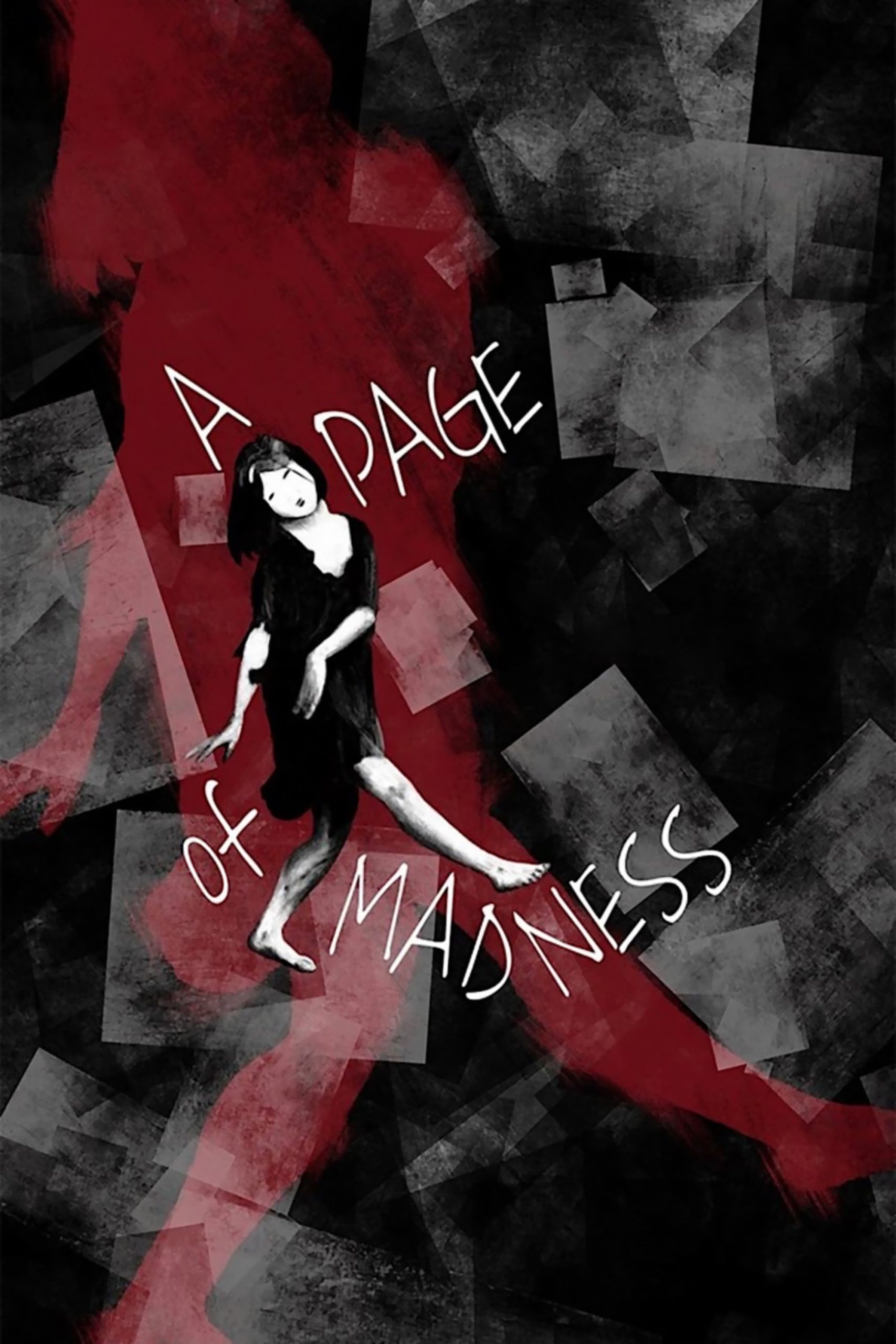
“A Page of Madness,” released in 1926, is not an easy film for most modern viewers. Its avant-garde style, unconventional storytelling, and lack of intertitles make it a challenging and sometimes confusing experience by today’s standards. This film is conditionally recommended for contemporary audiences—mainly for those who are curious about experimental cinema, open to non-linear narratives, or who actively seek out unconventional viewing experiences. For viewers looking for clear storytelling, emotional clarity, or entertainment more in line with mainstream films today, this movie is likely to feel inaccessible and may even be frustrating.
Pacing, Acting, and Storytelling by Today’s Standards
The pacing of “A Page of Madness” is the complete opposite of what modern moviegoers typically expect. The film moves in a fragmented, dreamlike manner, frequently jumping between images without clear transitions or narrative signposts. There’s no straightforward plot progression; instead, the movie immerses viewers in a kaleidoscopic series of scenes set in a mental asylum, blending reality and hallucination so thoroughly that it’s difficult to tell what’s happening at any given moment.
As for the acting, performances are silent and broadly expressive, using exaggerated facial expressions and body language to convey emotion. In a film with almost no written dialogue—there are virtually no intertitles to give context—modern audiences used to naturalistic performances and spoken lines may find the acting style overdone or hard to connect with. It’s closer to pantomime than realistic acting, which can be alienating if you expect subtlety or modern emotional nuance.
The momentum is stop-and-start, with the film relying on disjointed patterns and rhythmic edits over any conventional forward movement. Instead of building tension or character development in ways that are familiar now, it’s more like stepping into a fever dream and staying there with little guidance. This will test the patience of anyone used to quick payoffs, clear structure, or dialogue-driven storytelling.
What Feels Timeless — and What Feels Dated
- Timeless elements: The visual inventiveness is still striking today. The film uses creative camera angles, double exposures, and visual effects that remain visually compelling and, in some moments, unsettling. If you appreciate movies that use imagery to create mood and emotion, these sequences can feel surprisingly modern in their impact. The sense of psychological disorientation is so powerfully conveyed through visuals alone that certain scenes hold up as unique cinematic experiences even now.
- Dated elements: The lack of context, absence of dialogue or explanatory text, and acting style immediately feel dated. Audiences today expect at least some frame of reference—here, there are moments where it’s genuinely hard to understand what is happening or why, which can break immersion or provoke confusion instead of engagement. The heavy theatricality of the performances, the film’s reliance on silent-era conventions, and occasional melodramatic expressions may pull viewers out of the experience instead of drawing them in. Sound design is entirely missing (unless accompanied by a new score), something that can make the film feel empty or monotonous, especially across its full runtime.
Strengths and Weaknesses for Modern Audiences
One of the main strengths of “A Page of Madness” is its distinctive visual style. The film stands out for its willingness to eschew traditional narrative altogether, embracing chaos and subjectivity to create a mood that isn’t often found even in today’s experimental films. If you’re looking for a sensory experience or want to see the origins of what would later become celebrated as art-house cinema, there’s a lot to appreciate in the way the movie conveys uncertainty, madness, and turmoil without uttering a word or providing much textual context.
On the other hand, the film’s weaknesses loom large for today’s general audience. It’s almost entirely “show, don’t tell,” to an extreme that can make even focused viewers tune out or check their phones. If a movie can’t hold your attention without you already being invested, this one is likely to lose you. The emotional engagement is often at arm’s length, with characters’ motivations and relationships obscured by the hallucinatory style. Accessibility is also low: without knowledge of the film’s background or intent, many contemporary viewers may feel lost as to why scenes unfold as they do or what meaning to draw from them. Even with a new score (often added in modern home releases), the lack of dialogue and linear storytelling can make the central emotional story almost impossible to follow.
Additionally, expect a noticeable gap between what modern viewers consider entertainment and what this film delivers. It demands patience and an active, even effortful, engagement with what’s on screen. There’s little reward for passive viewing, and those expecting a classic haunting or psychological thriller will be surprised at how abstract and impenetrable the experience can be.
Who Should Watch This Film Today?
“A Page of Madness” is best reserved for a narrow audience: film enthusiasts interested in the evolution of cinematic technique, fans of experimental or avant-garde works, and anyone excited by surreal, visually driven movies that ignore traditional rules. You might also appreciate it if you’re a filmmaker or artist searching for inspiration from uncommon sources, or if you want to see where some of today’s more offbeat narratives may have drawn influence. Watching with a group of friends who enjoy discussing odd or challenging films could add entertainment value, turning confusion into conversation.
However, if you’re mainly seeking entertaining storytelling, emotional resonance, or films that are easy to follow and engage with after a long day, this movie is not likely to satisfy. Most viewers who rely on plot, spoken words, or relatable characters to feel involved may find “A Page of Madness” to be too distant, abstract, or slow. If you’re uncertain, starting with a highlight reel or a few standout scenes may be a good way to gauge your interest before committing to the full runtime.
In short, “A Page of Madness” stands as a piece of cinematic experimentation that retains some of its power as a visual and psychological experience, but it’s a tough sell for general audiences. Approach it if you’re in the mood for something completely out of the ordinary—and ready to trade emotional clarity for visual and sensory exploration.
🎬 Check out today's best-selling movies on Amazon!
View Deals on Amazon