
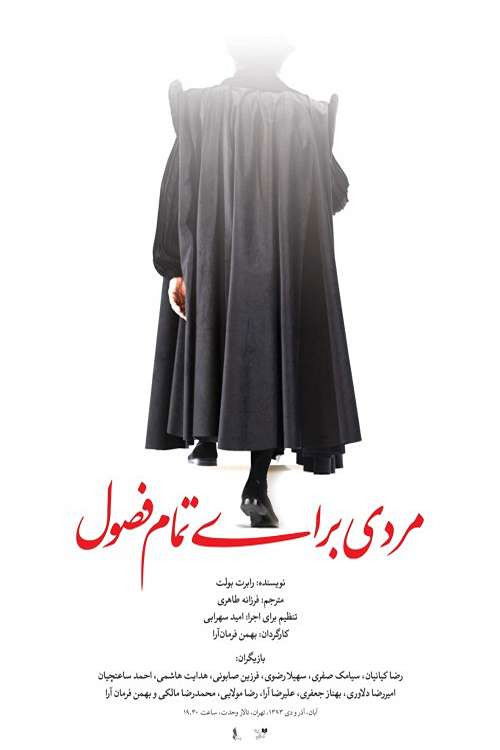
Why This Film Is Revisited Today
In the present day, “A Man for All Seasons” tends to reappear on the radar of movie watchers largely because of its prominent standing in lists of cinema’s classic dramas and its track record as an Oscar winner. Modern audiences may click play out of curiosity fueled by recommendations, historical polling, or high critical ranking on various streaming platforms. It is frequently highlighted in discussions about definitive British period pieces or as part of retrospectives focused on legal and moral dilemmas in film. The reputation of its lead performer, Paul Scofield, and the film’s association with luminaries such as director Fred Zinnemann also sustain its relevance. In classrooms, it is still occasionally referenced as a case study for ethics or power, which keeps it circulating in educational spheres. Sometimes, controversies attached to its depiction of political and religious authority stimulate renewed conversation, attracting viewers intrigued by how older films approach themes that remain contested. Additionally, with ongoing debates about integrity and personal conviction in contemporary society, the film is sometimes invoked as a point of comparison, amplifying its current relevance even when actual viewership is comparatively modest.
What Still Works for Modern Viewers
Certain craft elements from “A Man for All Seasons” are likely to impress even those who normally gravitate toward more recent films. The central performances—particularly Scofield’s—retain remarkable nuance, displaying emotional subtlety that stands up to present-day acting standards. The supporting cast, including Orson Welles and Robert Shaw, offer moments of tension and gravitas that translate effectively without feeling mannered or arch. The script’s language, while formal, carries a precision that is accessible when approached with minimal patience, and the sharp exchanges in scenes of confrontation retain a sense of immediacy. Visually, the cinematography still holds appeal: the understated use of color, period settings, and lighting generate a grounded, atmospheric mood rather than a stagey or artificial one. There’s a discipline to the film’s pacing and shot composition that modern viewers might recognize from contemporary prestige television dramas—measured but never careless. The film’s treatment of individual moral conviction is neither simplistic nor aggressively didactic, avoiding melodrama in favor of psychological plausibility. For those attuned to performance-driven films and interested in character studies, these aspects help the movie retain an engaging edge that remains relevant in a cinematic landscape often dominated by spectacle or rapid-fire editing.
What Feels Dated or Challenging Today
By contemporary standards, “A Man for All Seasons” presents a considerable number of hurdles for the average viewer. Its measured, almost ceremoniously slow pace is likely to tax the patience of audiences accustomed to a brisker narrative tempo and more action-oriented developments. The film is primarily dialogue-driven, with few visual set pieces or dynamic moments; in a streaming era that often prioritizes immediate hooks and short-form content, this can feel like a barrier. Representation by today’s standards is extremely narrow—the cast is overwhelmingly white, male, and comprised of recognizable British character types, largely ignoring women’s perspectives and offering little in terms of diversity or fresh context. The costuming and formal staging, while authentic for their time, occasionally verge on theatrical, undermining the immersive realism modern viewers often expect from period pieces. The mannered accents and diction can sound affected to younger ears, and the strict adherence to the conventions of prestige historical drama sometimes sap the story of surprise or modern relatability. Also, certain attitudes toward authority, gender, and religion, though reflective of the setting, may strike present-day audiences as dated or remote, with little commentary or critique inside the script itself. Finally, the absence of dynamic sound design, visual effects, or kinetic camera work—staples of mainstream contemporary cinema—renders the film’s style challenging for those more attuned to present-day technical polish.
How Modern Audiences Are Likely to Experience This Film
The response of today’s viewers to “A Man for All Seasons” is likely to be closely tied to their expectations and prior experience with older cinema. Film enthusiasts who enjoy deliberate pacing and appreciate a focus on dialogue and performance may find the movie gratifying, especially if they approach it as a character-centered exploration rather than a suspenseful drama. Those familiar with classic stage adaptations or with patience for measured narrative will likely key into its emotional and ethical stakes. By contrast, viewers raised on fast-moving editing, non-linear storytelling, or spectacle-driven filmmaking might find its rhythm and reserve off-putting, especially if watched in one sitting without breaks. Younger audiences, or those new to mid-century period drama, may take time to attune to its speech patterns and visual style—background distractions could easily interrupt the gradual immersion the film requires. In the context of group viewing, especially for educational purposes, conversations about the issues it raises may add to its watchability, but for solitary streaming, the commitment it demands could deter casual viewers. For those who approach with curiosity and adjust expectations accordingly, the understated craftsmanship may reward close attention, but it is far from a guaranteed fit for all viewing tastes in the age of rapid digital media and omnipresent content choices.
Final Verdict: Is It Still Worth Watching?
Viewed through the lens of modern standards, “A Man for All Seasons” remains a worthwhile film for audiences who value nuanced performances, literate dialogue, and philosophical dilemmas played out through character rather than action. Its strengths endure most effectively for viewers who are open to a slower narrative tempo and less concerned with technical modernity or diverse representation. The style, while stately, is purposeful and does succeed in delivering intellectual substance and an understated emotional arc—qualities that, while less in fashion today, retain appeal for a specific audience segment. However, for casual viewers looking for immediacy, inclusivity, or sensory engagement, it may feel more like a demanding artifact than a satisfying experience. Ultimately, the film is best recommended to those with interest in classic acting, legal or ethical debates from a humanist perspective, or those who already seek out period cinema. For anyone in those categories, the movie can be rewarding and even thought-provoking, but it does require patience and some recalibration of expectations. In summary: “A Man for All Seasons” has a distinct place for modern audiences open to its approach, yet it is unlikely to enter the personal canon of those seeking the kinetic energy or universal accessibility often prioritized today.
🎬 Check out today's best-selling movies on Amazon!
View Deals on Amazon