
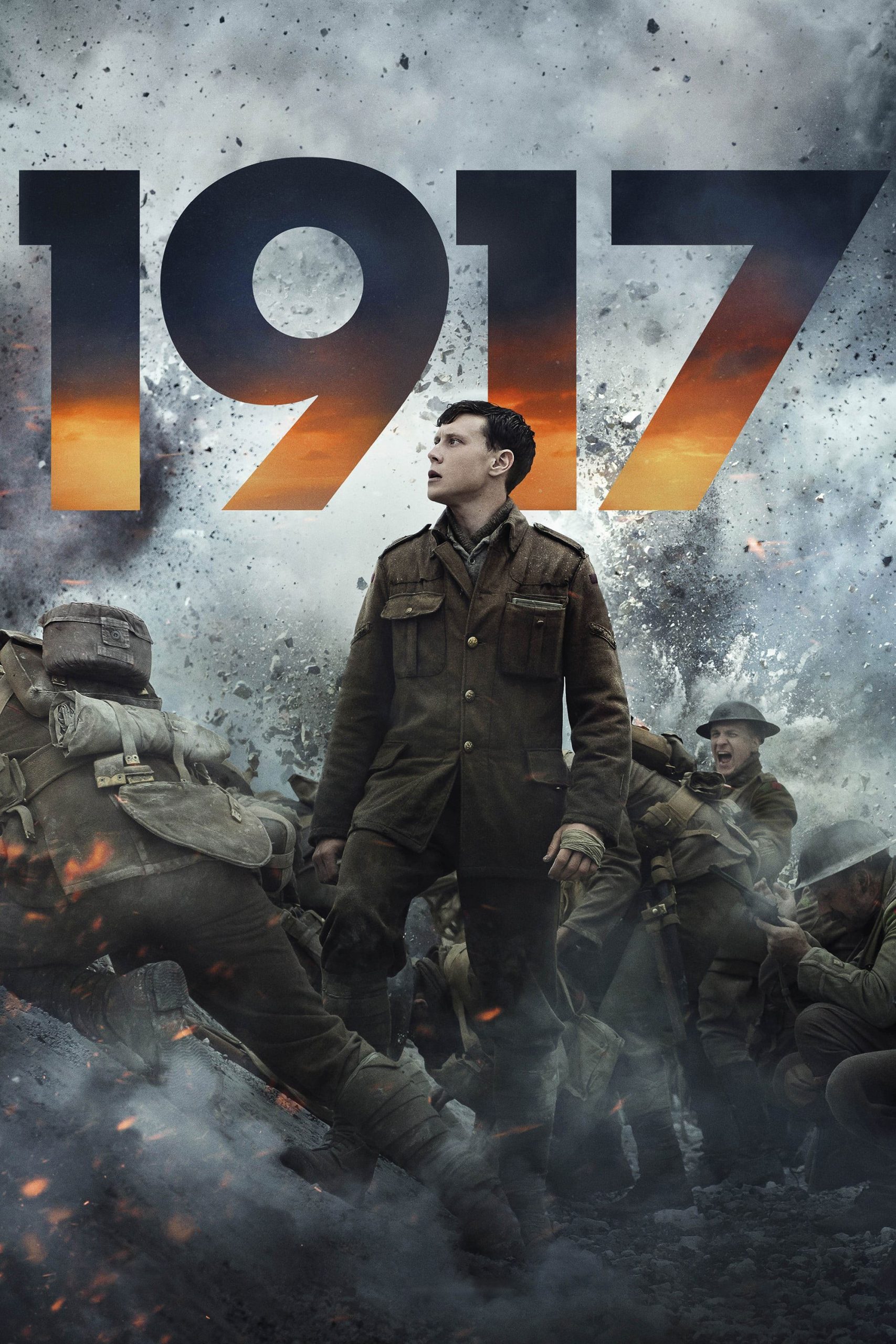
Does This Film Still Hold Up Today?
If you’re looking for a war film that feels immersive, suspenseful, and visually striking even on a modern screen, 1917 remains a strong recommendation for today’s audiences. Stunning as a technical achievement and often thrilling as a viewing experience, its on-the-ground journey hooks the viewer almost instantly. However, if you expect complex dialogue or deep character development throughout, you may find certain aspects thin. Overall, 1917 is still worth watching now, especially for viewers hungry for intensity and cinematic craft, but it may not appeal to everyone seeking layered storytelling or emotional depth rather than dazzling spectacle.
Pacing, Acting, and Storytelling by Today’s Standards
By contemporary standards, 1917 often feels refreshingly direct. The film starts with urgency and maintains a continuous sense of movement—the story rarely stops to catch its breath. The “one continuous shot” illusion creates a real-time flow, pulling the audience forward and making every moment feel immediate. For modern viewers used to fast-paced and visually driven entertainment, this is a major plus; there’s almost no downtime or dead air. The acting is understated, with performances that ground the story in realism, but dialogue is sparse. If you prefer films that let characters talk at length or give you lots to chew on between action scenes, this approach might come off as emotionally lean. The film’s structure is simple and linear, so there are no complicated plot twists or subplots to get lost in, which can feel refreshing or underwhelming depending on your taste. For binge-watchers of current thrillers or action series, 1917’s storytelling momentum will likely satisfy.
What Feels Timeless — and What Feels Dated
- Timeless elements: The cinematography is a modern standout, with sweeping camera moves and seamless transitions that still wow even after years of special-effects evolution. The suspense and action sequences have the sort of visceral punch that holds up easily alongside today’s blockbusters. The stripped-back approach to storytelling carries a universal appeal—you don’t need a background in World War I history to follow along or care about the outcome. The sound design and musical score immerse viewers in the environment so completely that headphones or a good sound system will make you forget you’re at home.
- Dated elements: The minimal approach to character depth might cause some frustration. Audiences now often expect protagonists with more backstory or complex inner lives. The script’s focus on the “mission” can leave the journey feeling more like a technical exercise than a human one for viewers who crave emotional connection. Additionally, the film’s relentless realism may make it feel emotionally cold; some of today’s viewers are accustomed to more nuanced or varied portrayals of war, with humor or camaraderie as balancing tones. Finally, the much-discussed “single-shot” presentation, though technically impressive, no longer feels groundbreaking in the era of prevalent visual effects and creative camera work—it’s a draw, but not a jaw-dropper anymore.
Strengths and Weaknesses for Modern Audiences
For attention spans trained on fast-paced content, 1917 is unlikely to test your patience. It gets right to the point, and its kinetic energy rarely slips. The visuals alone can carry you through the tight 2-hour runtime; there are multiple sequences that work as edge-of-your-seat rides, regardless of your usual genre preferences. Emotional engagement, however, may vary. If you look for films that make you deeply care about individual characters, this may not always deliver the impact—it’s more about the journey than the inner lives of the people on screen. Accessibility is excellent; its plotting is straightforward and easy to follow, so you don’t have to keep up with complicated timelines or huge casts. Expect a relentless focus on suspense and atmosphere, at the expense of dialogue-rich or thematically dense storytelling. As a film to enjoy with friends or as a gripping solo watch with the lights off, it hits the mark. As a piece for repeat viewing or reflective discussion, the initial thrill might diminish after the first watch.
Who Should Watch This Film Today?
If you like movies that immediately grab your attention, keep you guessing, and showcase technical prowess, 1917 deserves a spot on your must-watch list. It is particularly suited for viewers who appreciate intense, visual storytelling with minimal distractions. If you are drawn to war films for their action, suspense, or immersive recreations of danger, you’ll get what you came for. Fans of filmmaking craft should also see it at least once, simply to experience the camera movement and production design that put you right into the action.
On the other hand, if your enjoyment of movies depends heavily on strong character arcs, layered dialogue, or emotionally rich narratives, you may walk away feeling unmoved. Those sensitive to realistic violence or bleak subject matter should also be cautious, as the film doesn’t shy away from the brutality of its setting. Likewise, if you’re looking for family-friendly fare or background viewing, this probably isn’t the best choice—it demands and deserves your full attention.
In short, 1917 remains a great watch for anyone seeking a tense, visually impressive movie with a straightforward mission, but less so for those seeking depth over drive or warmth over realism. If you want a cinematic adrenaline rush that still feels fresh in 2024, it’s an easy pick.
🎬 Check out today's best-selling movies on Amazon!
View Deals on Amazon