
Does This Film Still Hold Up Today?
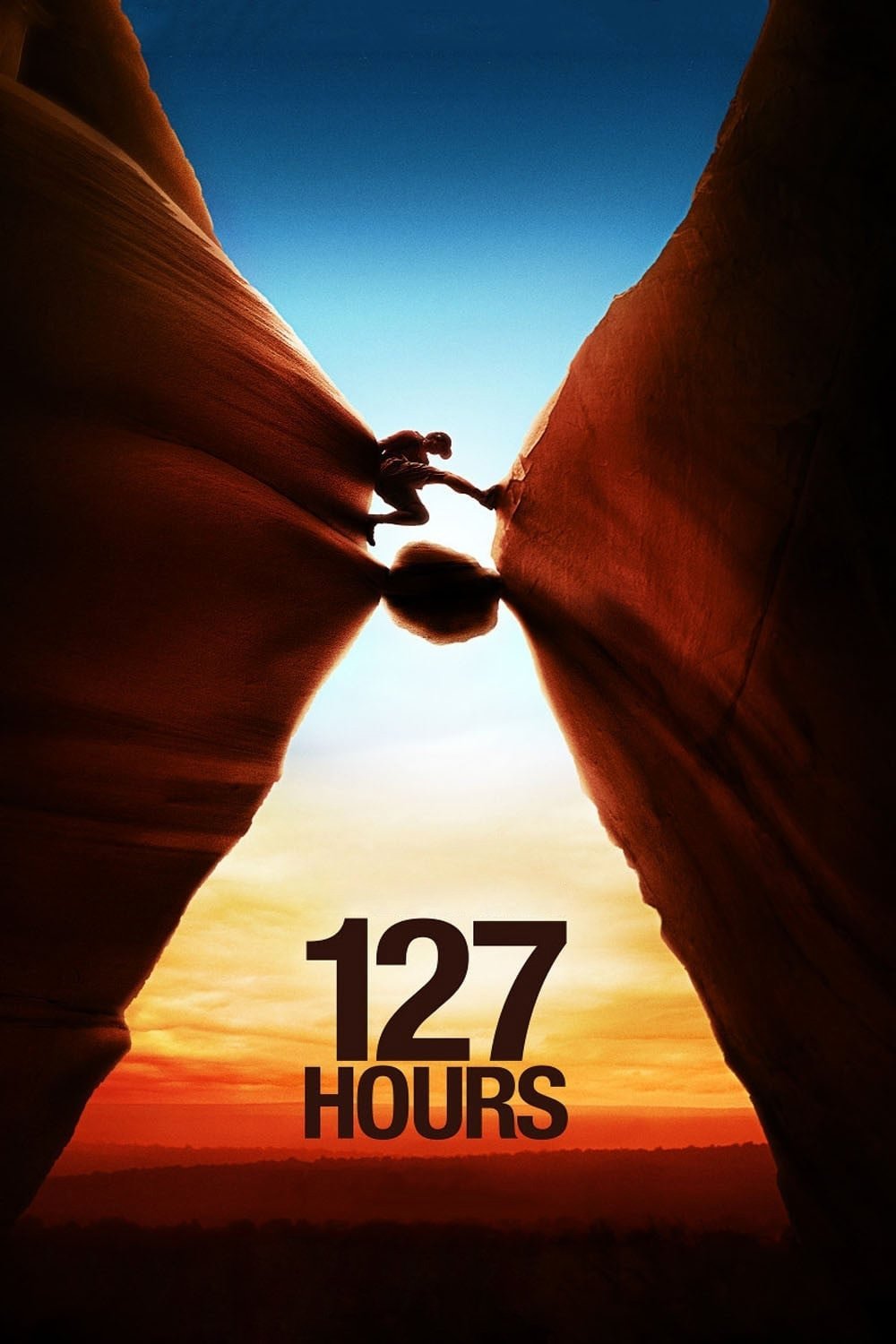
For modern audiences, 127 Hours is a conditionally recommended watch. The film’s core hook—a man trapped alone, fighting for survival in a claustrophobic canyon—still delivers moments of tension and urgency that haven’t lost their edge. However, it’s not for everyone. Viewers who love fast-paced, action-heavy stories or who are especially squeamish may struggle. If you’re drawn to intense, character-driven survival tales and can handle a harrowing experience, this movie can still offer a gripping evening, but casual viewers or those seeking lighter entertainment may want to look elsewhere.
Pacing, Acting, and Storytelling by Today’s Standards
Today’s films often compete for attention with quick pacing and high sensory impact, and 127 Hours lands somewhere in the middle. The movie’s tempo is uneven by current standards: it starts with brisk, almost frenetic energy as we meet Aron Ralston (James Franco) on his desert adventure, then rapidly becomes slow and meditative once he’s trapped. For modern viewers used to relentless momentum, the film’s long stretches focused on one man’s struggle with little movement may test the patience.
James Franco’s lead performance holds up well, anchoring the movie with a sincere portrayal that feels authentic rather than overacted. If anything, his performance feels closer to contemporary “realism” than some older films. The dialogue is sparse—not much banter or one-liners, since Aron is alone for most of the runtime—which can be engaging or alienating depending on your mood and expectations. The film uses hallucinations, flashbacks, and bursts of kinetic editing to break up monotony, but these stylistic choices, once celebrated as innovative, might feel more like dramatic interruptions to today’s viewers who prefer either full immersion or punchy storytelling.
Overall, 127 Hours still creates a tight, focused narrative. However, the storytelling is minimalist, and much of the runtime is devoted to small details and slow emotional shifts rather than constant plot twists or developments.
What Feels Timeless — and What Feels Dated
- Timeless elements: The central premise—one man’s will to survive against impossible odds—remains compelling and universally understandable. James Franco’s performance has an immediacy that still feels “now,” and the physical setting, with its beautiful but dangerous landscape, continues to impress. The film’s sustained tension and sense of claustrophobia work just as effectively today, especially for viewers who like survival stories.
- Dated elements: The movie’s quick-cut editing, especially in the opening and during hallucinations, comes across as early 2010s try-hard rather than organic or necessary. Musical choices and some visual effects—split screens, video diary clips—show the fingerprints of a time when “multimedia” felt new but now can distract or feel cheesy. Some emotional flashbacks and stylized memories veer dangerously close to melodrama, which may pull modern viewers out of the otherwise grounded tone. Also, the long, detailed scenes leading up to and showing self-amputation are overstated by today’s standards, both in their graphic detail and their attempt to shock.
Strengths and Weaknesses for Modern Audiences
127 Hours stands out in a market crowded with formula and predictability. Its strengths are evident in its single-minded focus and the tension built from utter helplessness. You are privy to every moment of agony, reflection, and fleeting hope alongside the protagonist, which creates a uniquely visceral experience. The film’s short runtime (just over 90 minutes) aligns well with current trends toward brevity and conciseness, keeping it watchable even when progress seems slow.
On the flip side, this intensely focused approach is also its biggest weakness. Unless you’re fully invested in Aron’s struggle, the limited setting and lack of supporting characters or major plot developments can become monotonous. Emotional engagement is dependent almost entirely on your interest in the lead and his predicament; anyone seeking subplot, character interplay, or cathartic resolution may feel shortchanged. The deliberately unvarnished depiction of pain, dehydration, and ultimately self-mutilation is still difficult to watch, and might be a dealbreaker for viewers wary of graphic or distressing scenes.
Accessibility isn’t a major issue, as the film uses straightforward language and simple storytelling, but those used to subtitle-heavy dialogue or ensemble casts may feel let down. This is a movie best suited to a quiet, focused evening—background viewing or party night fare it is not.
Who Should Watch This Film Today?
If survival narratives, personal endurance, and true stories are your priorities, 127 Hours is worth adding to your current watchlist. It’s especially recommended for those who appreciate films that ask for patience and immersion rather than delivering non-stop stimuli. Given its graphic content, it’s important to emphasize that anyone squeamish about medical realism or body horror—a key element here—should proceed with caution or skip it altogether.
Viewers who prefer multi-character dramas, fast edits, a steady stream of plot surprises, or a lighter tone are less likely to enjoy this movie. The film is not a casual or uplifting experience, so those seeking comfort viewing, escapism, or social movie nights will find little to latch onto here.
Ultimately, 127 Hours is best for individual, focused viewing by those who want to feel every moment of desperation and triumph firsthand. If you recognize and accept what it demands from you—attention, empathy, and emotional stamina—it will still deliver an impactful experience in 2024.
🎬 Check out today's best-selling movies on Amazon!
View Deals on Amazon