
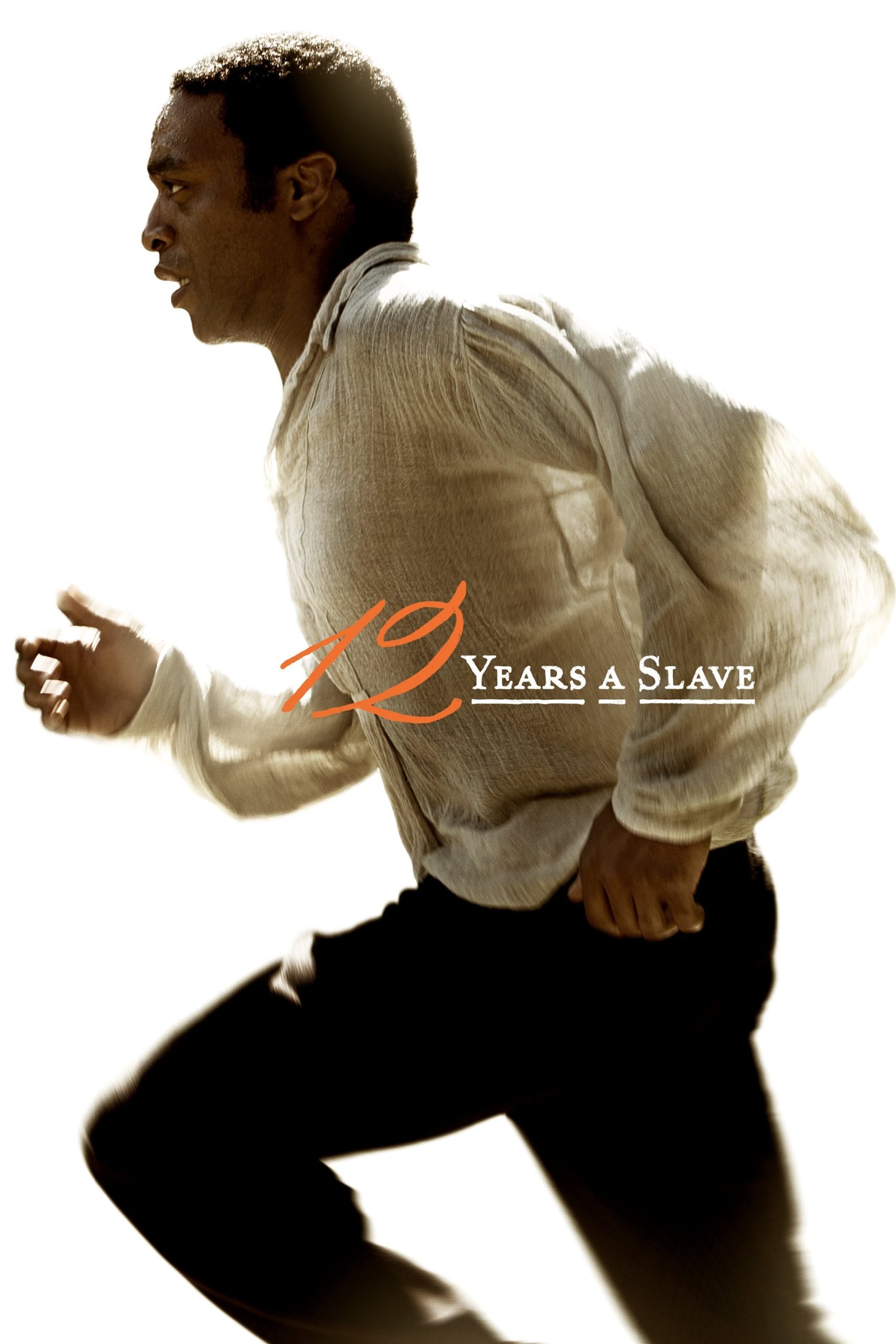
Why This Film Is Revisited Today
“12 Years a Slave” continues to occupy a prominent space in film culture well after its initial release, largely because of its placement in the ongoing cultural dialogue about history, race, and representation in American and global cinema. The film is frequently cited in discussions about how Hollywood grapples with depictions of historical trauma, and it remains a fixture of streaming catalogs, making it easily accessible to new generations of viewers. Contemporary audiences might encounter it as recommended viewing in educational settings or through curated film collections focused on award winners and impactful dramas. The reputations of its cast and director ensure periodic social media debates, while its unflinching portrayal of difficult themes prompts renewed attention whenever issues of systemic injustice are in the spotlight. For younger viewers and those exploring the evolution of serious mainstream films post-2010, curiosity about how landmark titles approach representation and authenticity also drives revisitation. Ultimately, “12 Years a Slave” stays relevant as both a touchstone in the ongoing conversation about cinema’s handling of historical narratives and as a piece that’s readily available on major streaming platforms.
What Still Works for Modern Viewers
Viewed through today’s lens, the most compelling strength of “12 Years a Slave” lies in its exceptional performances. Chiwetel Ejiofor’s nuanced lead portrayal continues to stand out—his ability to convey internal turmoil without reliance on grandstanding feels as resonant as ever, especially for contemporary viewers who have become attuned to subtler modes of screen acting. Lupita Nyong’o’s and Michael Fassbender’s supporting performances match this emotional intensity with a commitment to authenticity that modern audiences often demand of films grappling with historical material. The use of restrained but immersive cinematography—relying on longer takes and naturalistic lighting—remains aesthetically invigorating when compared to the slick, heavily edited look of many current films. That craftsmanship gives the film a tactile immediacy, even a decade after its premiere. The dialogue, avoiding melodrama, speaks in a language that still feels true to both its setting and the expectations for realism now prevalent among viewers. Director Steve McQueen’s deliberate pacing and control over tone ensure that most scenes remain weighty and focused, eschewing the sensationalism or romanticization that can render historical dramas hollow today. For viewers seeking powerful performances and a commitment to emotional truth, these elements ensure the film’s core impact is largely undiminished by the passage of time.
What Feels Dated or Challenging Today
Despite the enduring strengths, there are aspects of “12 Years a Slave” that may seem less accessible or more difficult for contemporary audiences. Pacing, for example, leans toward the deliberate and extended, asking viewers accustomed to fast cutting and heightened drama for a sustained attention span over prolonged, harrowing sequences. This approach can feel demanding compared to the brisk storytelling favored by recent mainstream dramas. Additionally, while the film was lauded for its unvarnished portrayal of violence and cruelty, some current viewers—especially those sensitive to graphic material—may find the depiction of suffering overwhelming, even potentially exploitative. The emotional intensity can feel unrelentingly grim, and contemporary audiences, now more frequently exposed to trigger warnings and content advisories, may hesitate before engaging with scenes of brutality that are rarely softened by the narrative. In terms of representation, the film’s emphasis on suffering as a narrative focal point has sparked renewed discussions about how stories of Black pain are prioritized in prestige cinema; some might argue that today’s audiences seek more varied expressions of historical experience, including narratives of resistance or community. A few stylistic elements, such as a traditional score in moments of heightened emotion, might also feel out of step with the trend toward more minimalist soundtracks in contemporary dramas. These factors can combine to make the film feel more challenging—not just because of its subject, but because its artistic choices are not always aligned with changed preferences in tone and storytelling.
How Modern Audiences Are Likely to Experience This Film
Contemporary viewers approach “12 Years a Slave” with a complex set of expectations and sensitivities shaped by shifts in media consumption and cultural conversation. For audiences used to marathon viewing or serialized storytelling, the film’s intensity and measured tempo may prompt breaks or pauses rather than an uninterrupted viewing experience. Younger viewers, in particular, may find the film’s emotional tenor and steady pacing at odds with the bite-sized, rapid-fire information flow that dominates social media and short-form content platforms. Emotional tolerance will play a significant role; those well-versed in trauma-centered narratives may either appreciate the film’s gravity or feel numbed by what can appear, in the current age of heightened attention to mental health, as relentless despair. Conversely, viewers closely attuned to cinematic craft and performance may find themselves absorbed regardless of the heavy subject matter, focusing on technical precision and the integrity of the acting. Sensitivity to issues of realism and respect for lived experience is only more acute now, so the film’s largely earnest treatment of its subject may register as respectful and educational for some, even as it risks feeling emotionally taxing or even illustrative of older trends in representing trauma for others. Compared to recent films that actively seek to contextualize historical violence with contemporary analysis or multi-layered perspectives, “12 Years a Slave” can strike some as more one-dimensional, prompting a thoughtful—if sometimes conflicted—reaction. Those familiar with mainstream streaming content may also comment on the film’s use of cinematic silence and space, which might not always align with the expectation of near-constant narrative movement or exposition found in today’s releases.
Final Verdict: Is It Still Worth Watching?
“12 Years a Slave” remains a film of significant power, and for viewers interested in serious, performance-driven historical drama, it holds up remarkably well. Its strengths—in acting, visual storytelling, and emotional honesty—are evident no matter how much the surrounding cinematic environment has evolved. However, potential viewers should be prepared for a demanding experience, both in terms of emotional content and pacing. This is not a film designed for casual or background viewing, nor is it likely to satisfy those looking for hopeful or uplifting arcs. For those looking to understand how contemporary cinema has grappled with historical injustice at its most personal and unsparing level, the film continues to offer much. On the other hand, anyone particularly sensitive to graphic depictions of violence or anyone preferring more varied or optimistic perspectives on historical experience may want to approach with caution or consider whether now is the right time for such a viewing. Ultimately, “12 Years a Slave” is still worth watching for audiences who are open to challenging material and interested in thoughtfully made films about difficult subjects. For others, its unflinching style and heavy thematic focus make it a significant but potentially daunting choice in today’s film landscape.
🎬 Check out today's best-selling movies on Amazon!
View Deals on Amazon