
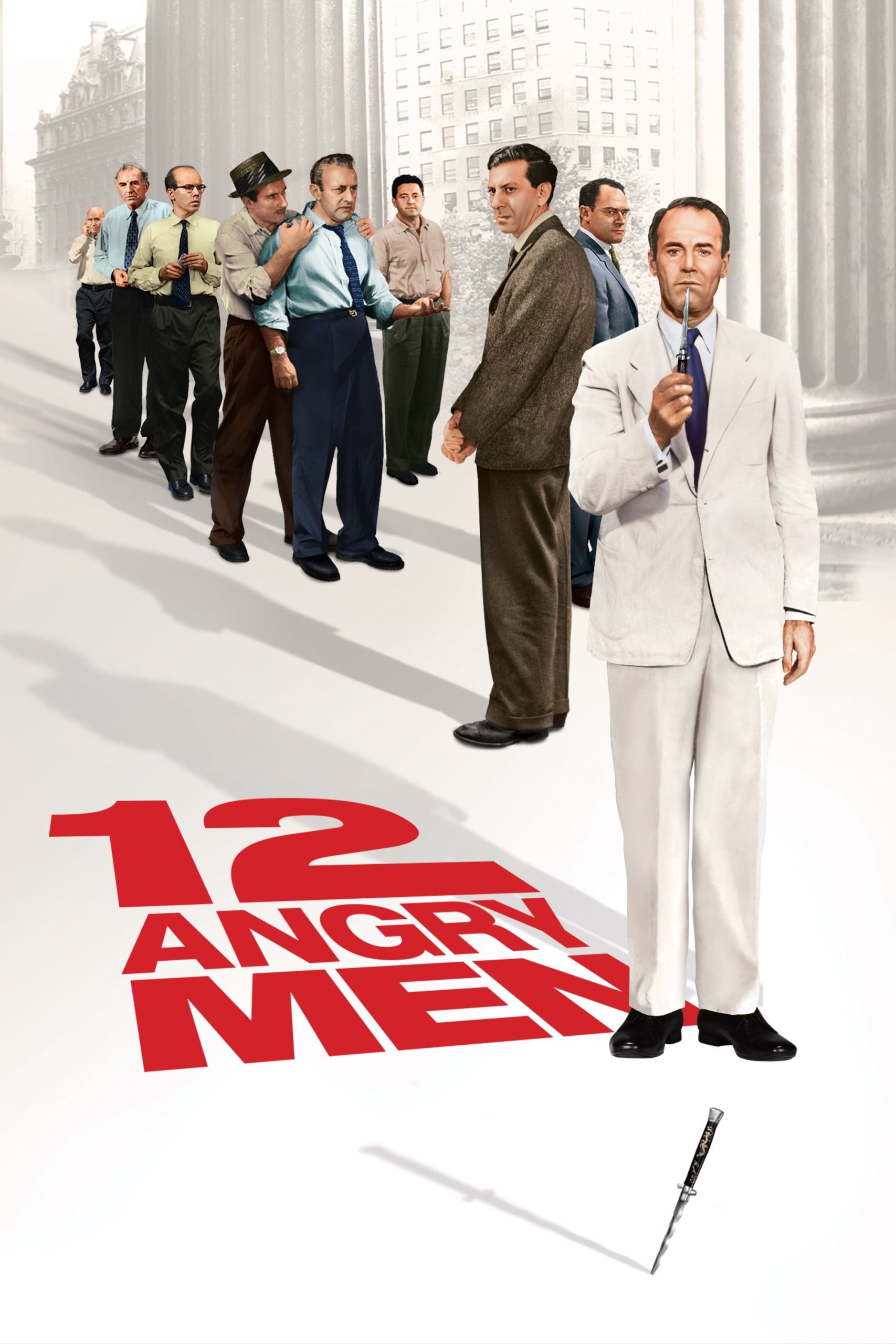
Does This Film Still Hold Up Today?
If you’re considering whether or not to watch “12 Angry Men” in 2024, the answer is a nuanced yes—with some important caveats. While the film’s themes of justice, prejudice, and group dynamics are still highly relevant, viewing it through today’s lens reveals both the enduring brilliance and the clear limitations of a movie produced nearly seventy years ago. This is not a film for viewers expecting modern pacing, visual spectacle, or inclusive representation. However, for those interested in sharp dialogue, layered group psychology, or legal drama, “12 Angry Men” remains both intellectually stimulating and surprisingly resonant. The story’s core ideas about critical thinking and civic responsibility continue to echo in public discourse around jury trials, social justice, and democracy. Still, some stylistic and cultural aspects do not fully translate to present-day sensibilities, which prospective viewers should keep in mind.
Pacing, Acting, and Storytelling by Today’s Standards
“12 Angry Men” unfolds almost entirely in a single, claustrophobic jury room. By today’s standards, where even intimate dramas tend to have agile editing, dynamic camera work, and multiple locations, this approach can feel overly static and stagey. Modern audiences used to rapid-fire narratives or genre hybrids might find the film’s deliberate pacing demanding, especially during the opening sequences. The tension builds gradually, relying chiefly on conversation and the subtle interplay among characters to escalate stakes. This methodical storytelling may frustrate those expecting sensationalism, flashbacks, or dramatic action sequences heard in contemporary courtroom thrillers.
The acting, though widely celebrated at the time, is presented in a style that reflects mid-century American filmmaking. The ensemble cast delivers performances that are generally naturalistic for the era, but today’s viewer might notice some exaggerated gestures or pronounced melodrama, particularly in the more heated exchanges. Nevertheless, Henry Fonda’s understated yet passionate performance holds up remarkably well, channeling empathy, reason, and quiet charisma. The cast’s chemistry and the tension between their differing approaches to reason and emotion are what drive the experience forward.
Storytelling in “12 Angry Men” is fundamentally dialog-driven. If you appreciate nuanced debate, careful character unraveling, and a slow-burning emotional arc, the film’s methodical unraveling of evidence and personality may deeply satisfy. Still, the lack of physical or visual dynamism means that less patient viewers, or those expecting the sleek sophistication of “The People v. O.J. Simpson,” “Anatomy of a Scandal,” or even “The Good Wife,” may struggle to feel fully engaged. Ultimately, the film is an exemplar of tightly crafted, high-stakes conversation, but its rhythm and presentation are out of sync with much of today’s mainstream cinematic language.
What Feels Timeless — and What Feels Dated
- Timeless elements
- Exploration of prejudice and bias within the justice system: As public consciousness of implicit bias and the flaws in legal proceedings remains high, the film’s central conflict over fairness and personal bias remains deeply relevant.
- Examination of groupthink, peer pressure, and moral responsibility: The psychological tension and shifting group dynamics are as recognizable in today’s workspaces, classrooms, and communities as they were in the 1950s.
- Emphasis on rational discourse and democracy: The patient unraveling of facts and respect for the process exemplify ideals sorely needed today, offering a counterpoint to the polarization and snap judgments of the digital age.
- Minimalistic, dialogue-centric narrative: For contemporary viewers seeking a break from CGI-driven storytelling, the stripped-down, verbal intensity of “12 Angry Men” can feel like a breath of fresh air.
- Universal legal dilemma: The story’s “what if one of us is wrong?” premise holds universal appeal, still operative in jury rooms, boardrooms, and social debates everywhere.
- Dated elements
- Lack of diversity: The all-male, all-white cast reflects not just the realities of 1950s juries, but also the film industry’s exclusionary practices. This notable absence diminishes the story’s modern relatability and limits its representation of the American experience.
- Gender roles and tokenism: The absence of women in critical roles sidelines half the population and does not reflect contemporary expectations of gender equity.
- Stage-bound, theatrical presentation: The confined setting and period-appropriate acting style can sometimes register as stilted or artificial by the visual and emotional standards of present-day dramas.
- Overt exposition and monologues: Certain speeches, used for character development or theme exposition, can feel heavy-handed by today’s preference for “show, don’t tell.”
- Visual spare-ness: The movie’s near-exclusive setting inside one room offers few cinematic flourishes. For those conditioned by visually driven narratives (cinematography, fast edits, special effects), “12 Angry Men” may come across as visually unengaging.
Strengths and Weaknesses for Modern Audiences
“12 Angry Men” remains a showcase of intelligent, morally charged storytelling. For modern viewers, its core strengths are its unwavering focus on reasoning and ethical duty, a nuanced portrayal of group influence, and its meticulous character construction. The film models how a single voice can stand for principle in a sea of complacency, resonating deeply at a time when polarization and informational echo chambers challenge democratic institutions globally. Its intensity emerges through personality clashes and shifting alliances—the type of drama that rewards close attention, critical thinking, and openness to self-reflection.
However, its weaknesses are significant and will color the experience for certain segments of today’s audience. The film’s lack of racial, ethnic, and gender diversity is not merely a historical quirk—it distinctly hinders its contemporary appeal for those seeking stories that represent the full spectrum of American life. This omission also undercuts the film’s potential commentary on intersectional bias, leaving much unsaid about how justice interacts with power and privilege.
The deliberate, dialogue-heavy structure—though intellectually stimulating—can feel plodding to viewers more accustomed to brisk narrative momentum and visual storytelling. The jury room setting, while central to the film’s power, results in a movie that is almost exclusively talk and gesture, with no action, flashbacks, or dramatically reimagined perspectives. For some, this is refreshing; for others, it can feel monotonous.
Finally, while much of the acting still impresses, occasional speeches and gestures feel overwrought, betraying a style that was modern in the 1950s but now risks disengaging viewers used to subtle, naturalistic performance. The film’s moral framing, though powerful, can occasionally drift into didactic territory, telling viewers what to think rather than inviting them to draw their own conclusions through implication and nuance.
Who Should Watch This Film Today?
“12 Angry Men” is best suited for viewers with an active interest in legal dramas, ethics, and the mechanisms of group decision-making. Students and practitioners of law, psychology, and philosophy—anyone who seeks a case study in argumentation, logical reasoning, or the social psychology of conformity—will find the film rewarding and thought-provoking. Teachers searching for a classroom resource on debate, critical thinking, or the pitfalls of bias will also find considerable value.
Those who love classic cinema for its craft, dialogue, or historical context will appreciate “12 Angry Men” as a model of minimalist, drama-first filmmaking. People seeking a break from action-driven stories and ready to invest in a dialogue-centered narrative may feel equally satisfied.
On the other hand, it may not be a good fit for viewers craving diverse perspectives, contemporary pacing, or visually engaging storytelling. Younger audiences or those without a taste for classic culture may struggle to find a way in, unless provided with context or prompted by academic or professional interest.
In summary, “12 Angry Men” remains a valuable watch—especially if viewed as a blueprint for hard conversations and careful deliberation. Despite its historical limitations, it endures for those who come to it ready to reflect and engage, rather than be passively entertained.
🎬 Check out today's best-selling movies on Amazon!
View Deals on Amazon