
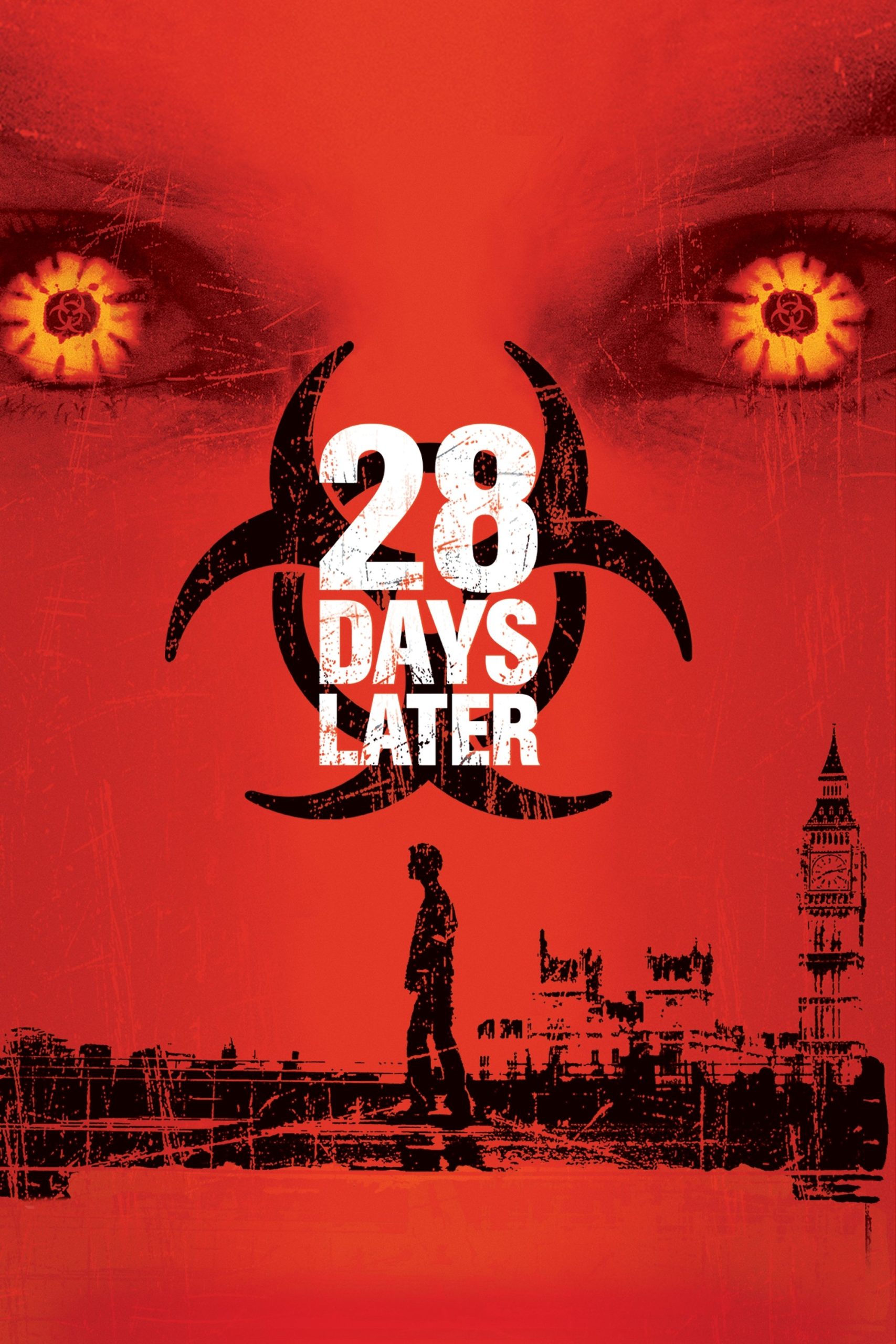
Does This Film Still Hold Up Today?
For today’s viewers, 28 Days Later remains a mostly worthwhile pick, but with some clear caveats. While its urgent, survival-focused story and intense atmosphere still deliver genuine engagement, certain elements don’t entirely mesh with current viewing habits and expectations. This film is recommended mainly for those comfortable with a slower build, a rougher visual style, and a distinctly 2000s take on the apocalypse. Curious genre fans—especially lovers of horror and thrillers—will find plenty to enjoy, but casual viewers may find themselves less invested. Overall, this is a conditional recommendation depending on your taste for gritty, slower-burning apocalyptic narratives.
Pacing, Acting, and Storytelling by Today’s Standards
Modern audiences are used to fast pacing, slick editing, and storylines that grab attention from the first minute. 28 Days Later takes a more patient approach. The opening moves slowly, emphasizing isolation before ramping up the action. Some viewers will appreciate the gradual build-up, which increases the sense of dread. Others may find themselves checking the time, especially in early scenes that linger on deserted streets and silent ruins.
Performance-wise, the acting leans toward raw and unpolished rather than polished or theatrical. Characters often react with believable shock or numbness, but their interactions can seem muted compared to today’s more expressive, quippy movie dialogue. There are plenty of quieter moments where little is said, requiring attention to subtle facial cues—patience is rewarded, but the restraint won’t be for everyone.
The narrative momentum has an unpredictable rhythm: moments of extreme panic are followed by long lulls or understated conversations. If you expect constant, back-to-back thrills or high jokes-per-minute energy, the movie’s structure may feel uneven. However, for those willing to immerse themselves, these swells in pacing can feel more unsettling than rote rollercoaster peaks. The filmmakers focus on tension, discomfort, and mood over shock or spectacle. It’s a style that’s less common in recent mainstream releases, and your enjoyment will depend on how much you appreciate atmosphere over speed.
What Feels Timeless — and What Feels Dated
- Timeless elements: The film’s core premise—waking up to a world in collapse, where the familiar has vanished—still works on an emotional level. The sense of urban abandonment, desperation, and uncertainty is easy to empathize with, especially in a post-pandemic world. Key action moments are still harrowing, with chase scenes that feel immediate and dangerous. The performances, especially from the lead cast, retain a sense of raw authenticity. At its best, the movie’s ability to generate tension or shock with minimalist filmmaking remains effective.
- Dated elements: The movie was shot on early digital video cameras, lending it a grainy, sometimes murky look that can be distracting on today’s sharp screens. Some editing choices, such as abrupt cuts and handheld camerawork, feel less like artistic decisions and more like budget constraints by current standards. Background music choices and moments of melodrama occasionally land flat today. The pacing, especially in the first act and midsection, may test modern patience. Certain visual effects and prosthetics now appear rudimentary. Lastly, the depiction of “infected” antagonists—once groundbreaking—may not feel as fresh after years of imitators and technological advancements.
Strengths and Weaknesses for Modern Audiences
28 Days Later will still hook viewers who connect with tense, moody, character-driven thrillers, but its style is a double-edged sword. On one hand, the stripped-down direction, sparse soundscape, and unpredictable story beats keep moments of danger impactful. There’s a sense of unpredictability that holds attention, especially during action peaks. The cast, led by intense, believable performances, helps ground the story in real stakes.
On the other hand, modern attention spans—shaped by years of faster, more streamlined horror and action films—might struggle with the movie’s slower tempo. Extended silences, minimal exposition, and long stretches without dialogue can hurt emotional momentum for those who prefer their stories tight and punchy. The grainy visuals make for a less immersive viewing experience on larger TV screens, potentially pulling some viewers out of the story. Subtitles may also be helpful for those who find the occasionally muffled or understated dialogue hard to catch.
From an accessibility standpoint, the plot is easy to follow but does require patience with visual and technical idiosyncrasies. The film’s willingness to linger on hopelessness can also make it challenging for those in search of escapism—the emotional tone is uncompromisingly bleak for much of the runtime. If you prefer cathartic or hopeful endings, be prepared for a ride that feels heavy and unfiltered. This is not a film that provides easy comfort or glossy spectacle, but it does reward engagement with its raw realism and suspenseful set pieces.
Who Should Watch This Film Today?
If you enjoy gritty, cerebral thrillers or post-apocalyptic horror with a focus on character and atmosphere, 28 Days Later deserves a spot on your watch list. Fans of slow-burn tension, minimalist filmmaking, and immersive, realistic performances will likely find it gripping. Horror fans interested in influential films that blend action with realism should definitely give it a look, especially if you’re curious about the evolution of zombie and “infected” stories.
On the flip side, if you demand consistently rapid pacing, slick visual polish, or frequent comic relief to keep things light, you may not find this movie satisfying in 2024. Viewers watching mainly for up-to-date special effects or vividly cinematic production values might find the grainy camerawork and dated visual style off-putting. If you’re sensitive to bleak subject matter or easily frustrated by deliberately slow storytelling, this one is best skipped.
Ultimately, 28 Days Later is best suited to those willing to look past some dated visuals and a deliberately spare narrative approach, in exchange for an unnerving, memorable ride. For the right viewer, it remains a tense, authentic survival story that can still surprise—and unsettle—today.
🎬 Check out today's best-selling movies on Amazon!
View Deals on Amazon