
Why This Film Is Revisited Today
Even more than half a century since its release, “2001: A Space Odyssey” remains a topic of ongoing conversation among film enthusiasts, critics, and curious viewers. Its elevated reputation as a so-called “masterpiece” of cinema entices each new generation to test its reputation for themselves. The film’s availability on major streaming platforms and periodic theatrical re-releases also ensure sustained visibility; many modern viewers are drawn in by recommendations, “best-of” lists, and cultural references spanning from television parodies to internet memes. Its imagery and musical choices frequently resurface in public discourse, especially in discussions about the intersection of science fiction and art-house filmmaking. For younger audiences, the aura of controversy—often revolving around its ambiguous meaning, glacial pacing, or divisive style—generates curiosity and debate. The film’s high standing in critical rankings and its influence on other works continue to prompt cinephiles and casual viewers alike to consider whether watching “2001” is a necessary or rewarding experience by today’s standards.
What Still Works for Modern Viewers
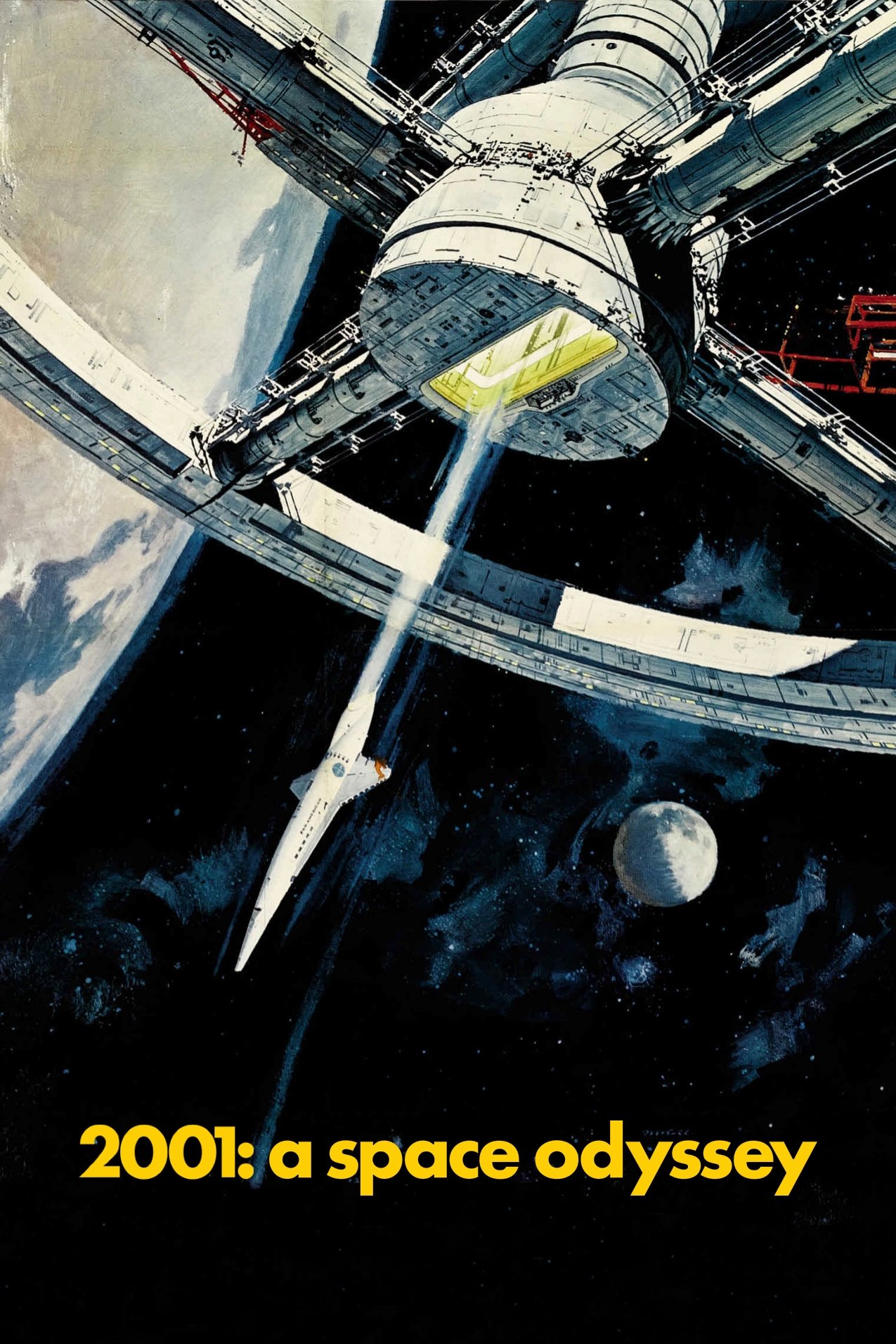
From a present-day perspective, “2001: A Space Odyssey” offers specific strengths that remain impressive. The film’s visual design feels remarkably ambitious and, in many instances, surprisingly undated. The practical visual effects and detailed production values often appear more tactile and convincing than the CGI-heavy approach of more recent films. The iconic look of space vehicles, the carefully constructed set pieces, and the famous alignment of imagery with classical music continue to resonate, especially for viewers interested in cinematic craft or atmospheric immersion. The commitment to showing outer space as vast, silent, and inhospitable still stands out compared to some of the more action-driven or hyperedited space films of recent years. Many will find segments—especially the depiction of artificial intelligence through HAL 9000—relevant to ongoing concerns about technology, even if the film takes a distinctly non-verbal and restrained approach to drama.
The use of sound (or at times, purposeful silence) and the integration of music with visuals remain genuinely influential. Sequences engineered around Strauss waltzes or Ligeti’s choral pieces lend the film a hypnotic quality that can be engaging, provided viewers approach with patience. For those accustomed to atmospheric or “slow-cinema” storytelling, there’s still a quietly absorbing pull to the painterly compositions and the deliberate framing choices.
Importantly, “2001” largely bypasses many tropes that now feel cliché within sci-fi, in part because it helped establish them in the first place. The film’s ability to present the future in a sleek but plausible manner—through minimalistic design and an avoidance of clumsy exposition—can feel surprisingly contemporary. As artificial intelligence becomes an ever-hotter topic, segments involving the sentient computer HAL continue to attract intrigue and new interpretations, adding to the film’s continuing relevance for many viewers.
What Feels Dated or Challenging Today
Despite its merits, “2001: A Space Odyssey” carries notable elements that frequently present obstacles for today’s audiences. Pacing is the most immediate challenge. The film operates on an almost meditative timescale, with extended passages featuring little or no dialogue, protracted sequences set to music, and minimal guidance for emotional engagement. For viewers accustomed to brisk plotting, rapid editing, or character-driven storytelling, this approach can feel almost alienating—a factor that hasn’t diminished with time.
Serial digital-age viewers may also find its narrative structure unusually opaque. The film offers scant characterization and provides few emotional entry points, so those seeking personal stories, clear motivations, or direct payoffs will likely feel adrift. Its minimalist dialogue and reluctance to explain itself stand in stark contrast to the “show-and-tell” flourishes of contemporary science fiction.
Socially, the film’s lack of dynamic representation is immediately noticeable. Contemporary viewers may be struck by the near-total absence of women and people of color in positions of significance or agency. In this regard, “2001” reflects the limitations of its era and does little to align with present-day expectations for inclusivity or human complexity.
The technological predictions in the film, while occasionally prophetic, often feel quaint or disconnected from actual developments. The interface design, for example, and the reliance on picture phones, now evoke nostalgia rather than innovation. Some might also find the film’s overall emotional temperature cold or disengaged, equating visual grandeur with a lack of relatable human stakes. For those who look to genre cinema for energy, comedy, or visceral thrills, the film’s distance can be a significant barrier to engagement.
How Modern Audiences Are Likely to Experience This Film
Contemporary viewers approach “2001: A Space Odyssey” with a wide range of backgrounds and expectations, and their experiences tend to diverge accordingly. Those familiar with slower-paced arthouse cinema or those deeply interested in the aesthetics and methods of film-making may find the film absorbing—or at least intellectually stimulating—even if not conventionally entertaining. In contrast, audiences more accustomed to narrative clarity, constant movement, and accessible emotional arcs may struggle to remain invested, especially during the film’s more abstract or protracted sequences.
The current, prevalent practice of watching movies on smaller screens, sometimes in fragmented sessions, may also reduce the film’s intended impact. “2001” was designed for the cinematic big screen, where its intricate visuals and soundscape can be overwhelming and immersive. On a tablet or phone, or amid everyday distractions, its slow burn and visual intentionality risk feeling ponderous rather than profound.
Viewers attuned to contemporary storytelling—especially those accustomed to rich characterization or immediate stakes—might find their patience tested. However, audiences seeking atmosphere, visual innovation, and a more reflective encounter with genre conventions might find the film uniquely rewarding. For those open to the language of older, more meditative cinema, “2001” can be an unexpectedly absorbing experience. For others, however, the film’s long silences and enigmatic structure risk rendering it dry or even frustrating.
Final Verdict: Is It Still Worth Watching?
“2001: A Space Odyssey” retains a distinctive place in the modern viewing landscape, but its rewards and drawbacks are more apparent than ever. It offers clear value for film buffs, visual connoisseurs, and anyone interested in experiencing landmark works of cinema firsthand. Its influence on subsequent media, as well as its technical achievements, still invite consideration, especially when judged by present-day standards for craft and ambition.
At the same time, the film makes few concessions to contemporary pacing, representation, or accessibility. For the average viewer seeking immediate engagement, character-driven drama, or high-energy narrative, this film may not satisfy—at least not without a shift in expectations. For those intrigued by visual grandeur, austere storytelling, or the evolution of science fiction on screen, “2001” remains a challenging but meaningful experience.
In summary, “2001: A Space Odyssey” is still worth watching for viewers willing to approach it as an immersive, visually driven experiment that demands patience and openness. It may frustrate as easily as it fascinates, but it retains enough modern relevance and craft to justify a curious viewing—especially for those seeking more than conventional entertainment. For audiences less interested in atmospheric or experimental cinema, proceeding with measured expectations will yield the best outcome.
🎬 Check out today's best-selling movies on Amazon!
View Deals on Amazon